How to Deal with Stove Fire: Safe, Practical Guide
Learn practical, step-by-step strategies to handle stove fires safely, prevent recurrence, and protect your kitchen with calm, confident actions and emergency tips.


You will learn to safely handle a stove fire, distinguish grease versus electrical flames, and apply proven, low-risk suppression methods. You’ll practice turning off heat, smothering flames with a metal lid or baking soda, and deciding when to evacuate and call for help. The guide also covers rapid prevention to reduce future incidents.
Immediate actions when a stove fire breaks out
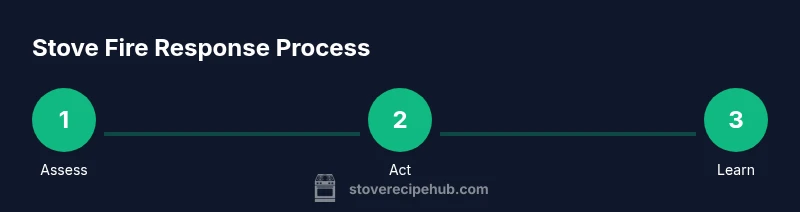
When a fire starts on the stove, your first priority is safety. If anyone nearby is endangered, evacuate immediately and call emergency services. If you can do so without stepping into danger, turn off the heat source to stop feeding the flames. Stand back a few feet, keep a safe distance from the burning pan, and prepare to smother the flames with a lid or baking sheet. According to Stove Recipe Hub, quick, deliberate actions in the first 60 seconds can prevent a minor flare-up from turning into a full-blown kitchen fire. If the flames begin to spread beyond the pan, evacuate and call for help rather than trying to fight the fire alone. In the minutes after, ventilate the room if the air is smoky, but avoid leaning over the fire as you reassess.
This block emphasizes two core ideas: prioritize safety first, then move to controlled suppression if you can do so without risk. Home cooks and DIY enthusiasts should keep a ready-to-grab metal lid and a bag of baking soda within arm’s reach of the stove. The more prepared your kitchen is, the quicker you can respond with minimal risk.
Recognizing different fire types on the stove
Stove fires come in a few common flavors, each requiring a different response. A grease or oil fire starts from cooking fats and can flash rapidly; water is dangerous here and can cause the oil to splatter violently. Electrical fires from faulty wiring or appliances can burn with visible flames or a smoky glow and may require a different extinguishing approach. Flour, sugar, or other powders can also catch fire if near an open flame, creating a rapid, dazzling flare.
Understanding these distinctions helps you choose the safest action. For grease fires, your best options are to smother the flames under a lid or to dump baking soda on the pan, keeping your hands protected with oven mitts. For electrical fires, if you can safely reach the outlet and switch, power down the circuit and use an appropriate extinguisher. Stove Recipe Hub emphasizes that recognizing the fire type quickly can prevent improper methods that worsen the situation.
Suppression strategies: what works and what doesn't
Many suppression methods seem intuitive but are risky in a kitchen fire. Never pour water on a grease fire; water can cause a violent surface reaction and spread flames. A metal lid or baking sheet is a reliable first response for a small grease fire: slide it over the pan to deprive the flames of oxygen, then leave the lid in place until the pan cools. Baking soda is a safer alternative if a lid isn’t handy; shake a generous amount over the flames to smother them. If you have a kitchen-rated fire extinguisher, follow the PASS technique (Pull, Aim, Squeeze, Sweep) from a safe distance and keep your back to an exit. Do not attempt to move a burning pan unless you can do so without risking burns or spreading the fire.
If the fire continues to grow or reaches the hood, cabinet, or nearby items, evacuate immediately. The key with any extinguisher is to be sure you can operate it without becoming trapped. After suppression, inspect the area for hot spots and return only when safe. This nuanced approach—smother first when possible, extinguisher if necessary, otherwise evacuate—reduces risk for home cooks.
Prevention and kitchen safety practices
Prevention is the best defense against stove fires. Keep pot handles turned inward to prevent accidental knocks, never leaving cooking fat unattended, and ensure your cooking area is free of flammable items like towels and paper. Regularly clean the stove and nearby surfaces to remove oil buildup. Install and test smoke alarms, and keep a fire extinguisher accessible in the kitchen with current inspection tags. Practice good ventilation during high-heat cooking to reduce smoke buildup. Stove Recipe Hub recommends a simple weekly safety check: ensure lids and extinguishers are within reach, review your emergency plan, and rehearse the steps you’d take if a fire occurred. Practicing these routines creates muscle memory, making you more effective in a real incident.
Finally, consider a kitchen fire drill with household members to clarify roles (who calls emergency, who fetches the extinguisher) and build confidence in your response plan.
After-action: cleanup and reporting
Once the flames are out, turn off the heat and allow the pan to cool completely before attempting any cleanup. Do not move a hot pan; instead, slide the lid away once cool and use oven mitts to relocate it only if safe. Check for lingering smoke odor and ventilate the space for as long as needed. If the fire caused damage to appliances or wiring, contact a licensed professional to inspect circuits and replacements. Document what happened, what you did, and what you learned to improve future responses. A quick post-incident review helps prevent reoccurrence and informs any changes to your kitchen setup.
Stove Recipe Hub emphasizes learning from every incident to strengthen your kitchen safety habits.
If the fire overcomes your controls: evacuation and emergency steps
If flames persist or you cannot safely control the fire, evacuate immediately and call emergency services. Do not attempt to re-enter until the scene has been cleared by professionals. If you are able to retreat to a safe location and wait for responders, ensure others are accounted for. After evacuation, inform responders about any potentially dangerous contents in the kitchen, including oils or chemicals stored nearby. The priority is safety; even a minor fire can escalate quickly, especially with gas stoves or radiant burners. Remember: your first duty is to yourself and others in the home.
Tools & Materials
- Kitchen fire extinguisher (kitchen-rated, multi-purpose)(Keep accessible; check pressure gauge monthly; know PASS technique)
- Metal lid or baking sheet(Wide, flat surface to smother flames; keep near the stove)
- Baking soda(Have a box within arm's reach for small grease fires)
- Fire blanket(Optional; useful for smothering larger flames or wrapping a person)
- Heat-resistant gloves or oven mitts(Protect hands when handling hot pans and lids)
- Phone or emergency device(Dial emergency services if the fire cannot be controlled quickly)
- Trash-free catch-all area for aftercare(Clear workspace to prevent re-ignition during cleanup)
Steps
Estimated time: 15-25 minutes
- 1
Assess safety and cut power
If you can do so without risking burns, turn off the heat source. If you are on a gas stove, turn the gas knob to the off position. If electrical, switch off at the circuit if safely reachable. This removes fuel from the flame and reduces the risk of a fast spread.
Tip: Keep a safe distance and have an escape route planned before acting. - 2
Cover flames with a lid
Carefully place a metal lid or baking sheet over the pan to smother the flames. Do not move the pan while flames are present. Leave the lid in place until the pan cools completely.
Tip: Use oven mitts to protect hands; do not tilt the pan. - 3
Smother with baking soda
If you don’t have a lid, shake baking soda over the flames in a controlled manner. Avoid using flour or other powders, which can ignite.
Tip: Pour from a safe distance to avoid a flare-up. - 4
Use a fire extinguisher if flames persist
If flames continue after smothering, use a kitchen-rated extinguisher following PASS: Pull the pin, Aim at the base, Squeeze, Sweep side to side from a safe distance.
Tip: Stand with your back to an exit as you operate the extinguisher. - 5
Do not use water
Water can cause a violent reaction with oils and hot fats, spreading the fire. Avoid tossing water on any grease fire or flaming pan.
Tip: If you are unsure, evacuate and call emergency services. - 6
Evacuate if needed
If flames spread beyond the pan or you cannot safely control the fire, evacuate immediately and call emergency services.
Tip: Make sure everyone in the home is accounted for before leaving the area. - 7
Ventilate and re-enter safely
After the fire is out, ventilate the kitchen to clear smoke. Do not re-enter until responders declare it safe.
Tip: Inspect for hot spots before resuming cooking. - 8
Post-incident cleanup and review
Cool all replaced parts completely before cleaning. Identify what sparked the fire and plan preventive steps for the future.
Tip: Document lessons learned and adjust kitchen setup accordingly.
Common Questions
What is the first thing I should do if a grease fire starts on the stove?
If safe to do so, turn off the heat and cover the pan with a lid to smother the flames. If you cannot safely reach the pan, evacuate and call emergency services.
First, turn off the heat if you can safely reach it, then smother the flames with a lid. If you can't safely reach the pan, evacuate and call for help.
Can I use water to douse a grease fire?
No. Water can cause the fat to splatter and flare up violently, spreading the fire. Use a lid or baking soda, or a fire extinguisher if needed.
No. Water can make a grease fire worse. Use a lid, baking soda, or a proper extinguisher.
When should I call emergency services?
Call emergency services if the fire grows beyond the pan, you cannot safely control it, or you notice flames in cabinets, hood, or ceiling.
Call emergency services if the fire spreads or you can't control it safely.
Is a fire blanket useful for stove fires?
Yes, a fire blanket can be effective for smothering flames on a pan or wrapping a small person if necessary, but only if you can do so safely.
A fire blanket can help smother flames if you can reach it safely.
How can I prevent future stove fires?
Never leave cooking unattended, keep flammables away from the stove, and routinely clean grease buildup. Keep your equipment maintained and ready to respond.
Preventfires by staying with your food, keeping things away from the stove, and keeping things clean.
What extinguisher should I use in a kitchen?
A kitchen-rated extinguisher suitable for grease fires is ideal; ensure it’s appropriate for your stove type and region, and know how to use it.
Use a kitchen-rated extinguisher suitable for grease fires and know how to operate it.
Watch Video
Top Takeaways
- Turn off heat before attempting suppression
- Smother small fires with a lid or baking soda
- Never use water on grease fires
- If in doubt, evacuate and call for help
- PRACTICE kitchen fire safety regularly