How to Prevent Stove Fires: A Practical Kitchen Guide
Learn practical, proven steps to prevent stove fires through everyday habits, kitchen setup, and emergency responses—designed for home cooks and DIY enthusiasts.


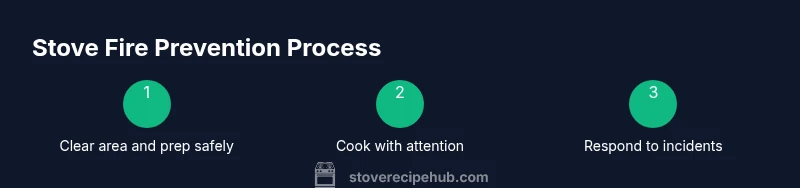
You can reduce stove-fire risk by practicing attentive cooking, keeping the area clear of flammables, and using proper safety tools. The core is consistent habits, smart setup, and quick responses if something goes wrong. This guide offers practical, step-by-step actions you can apply today to prevent stove fires.
Understanding stove fire risks
Cooking on the stovetop is convenient, but it also carries fire risks. How to prevent stove fires begins with recognizing ignition points such as unattended pots, grease buildup, and flammable items left near burners. Regular, mindful cooking habits dramatically reduce the chance of a kitchen fire. In this section, we explore why stove fires start and how everyday routines can disrupt the pattern that leads to danger. By understanding the risks, you can design safer cooking practices that fit into a busy kitchen.
Establishing a solid safety baseline
Before you cook, establish a baseline for safety. Clear the area of towels, paper, and plastic near the stove; keep a lid or baking sheet within arm's reach to smother small flames. Ensure your smoke alarm is working and the extinguisher is accessible. This setup creates a kitchen environment where risks are minimized and responses are quick, even during busy weeknights. A solid baseline also makes it easier to practice the habit of turning pot handles inward and keeping outlets free of clutter.
Safe cooking habits to prevent fires
Safe cooking habits are your first line of defense. Never leave cooking unattended, especially when frying, simmering, or heating oil. Use a timer to avoid distracted cooking, keep flammables at a safe distance, and keep a clear path to the exit. When you watch the pot closely and maintain appropriate heat, you reduce both grease buildup and flare-ups. If you smell burning oil, act quickly but calmly to reduce the risk of ignition and fire spread.
Kitchen setup and habit changes
A thoughtful kitchen layout supports fire prevention. Place frequently used utensils within easy reach, keep pot lids nearby, and turn pot handles away from edges. Use back burners for tall pots, and never drape towels over the stove. Clean as you go so grease doesn’t accumulate on surfaces. A tidy stove area makes it much easier to see risks early and respond effectively.
Dry, clean, and organized: preventing grease fires
Grease buildup is a leading cause of stove fires. Regular cleaning removes oil slicks and food residues that can ignite at high temperatures. Wipe splatters after cooking, degrease greasy backsplashes, and service burners if you notice uneven flames. Keeping a dry, organized workspace minimizes ignition sources and helps you spot potential problems before they escalate.
Safety tools everyone should have
A well-stocked safety kit reduces response time during an incident. Essential items include a kitchen-specific fire extinguisher, a metal lid or baking sheet to smother flames, a kitchen fire blanket if available, a smoke detector with a fresh battery, and sturdy oven mitts. Keep these tools in a known, accessible location so you can act fast without fumbling.
Fire scenarios and the correct response
If a fire starts, remember: turn off the heat if you can do so safely, slide a metal lid over the pan to smother flames, and avoid moving a burning pan. If the fire persists, evacuate and call emergency services. Never use water on a grease fire. Training yourself and others to react with calm, decisive steps can save lives and prevent property damage.
Maintenance routines to keep your stove safe
Regular maintenance matters. Inspect burners for clogs, ensure gas lines are intact, replace sizzling or damaged components, and test detectors monthly. Schedule a deeper clean every few weeks to remove built-up grease and residue. These routines keep your stove functioning safely and help you catch problems before they become fires.
Build a family safety plan
Involve household members in safety practices. Assign roles for monitoring cooking, handling utensils, and responding to emergencies. Practice a quick safety drill so everyone knows what to do if something goes wrong. A shared plan reinforces habits that reduce the likelihood of stove fires.
note”:null},
toolsMaterials
toolsMaterials_entries_inline_block_placeholder
Tools & Materials
- Fire extinguisher(ABC-rated or kitchen-rated; mount within easy reach of the stove.)
- Metal lid or baking sheet(Used to smother small flames without removing burner heat.)
- Fire blanket(Optional but highly effective for smothering small fires on surfaces.)
- Smoke detector with working battery(Test monthly; replace battery annually.)
- Oven mitts(Heat-resistant; keep near cooking area.)
- Baking soda(Useful for small grease fires if a lid isn’t available; do not use on active flames.)
Steps
Estimated time: 45-60 minutes
- 1
Inspect the cooking area
Survey the stove and surrounding area for flammable items (towels, paper, packaging). Remove or relocate anything that could catch fire. This initial check reduces ignition opportunities before you start cooking.
Tip: Do a quick sweep every time you prepare to cook to keep the area clear. - 2
Clean the stovetop and burners
Wipe away grease and food residues from the burners, grates, and surfaces. Built-up grease can ignite at high heat, so regular cleaning minimizes risk.
Tip: Use a non-abrasive cleaner and dry thoroughly to prevent slick surfaces. - 3
Test safety devices
Verify that your smoke detector is functioning and the fire extinguisher is accessible. Replace batteries as needed and ensure the extinguisher pressure gauge reads in the green.
Tip: Test detectors monthly and after any power outage. - 4
Arrange cookware safely
Turn pot handles inward and place taller pots on back burners when possible. This reduces the chance of knocking a hot pot over or grabbing the handle and tipping flames toward you.
Tip: Keep lids within easy reach for quick smothering if needed. - 5
Set cooking rules for home
Use timers, avoid loose clothing near the stove, and never leave the kitchen while frying or heating oil. These habits directly reduce ignition risk.
Tip: If you must step away, turn the burner off and resume cooking upon return. - 6
Have a quick-response plan
Know how to smother a small fire (lid or blanket) and when to call for help. Recognize that water is dangerous on grease fires and should not be used.
Tip: Practice these steps with household members to build muscle memory. - 7
Clean after cooking
Wipe spills and cool surfaces before storage. A clean area reduces residual ignition sources and makes future safety checks easier.
Tip: Schedule a routine cleaning after each cooking session to maintain safety. - 8
Review and adjust safety setup
Periodically reassess your tools and layout. Replace aging extinguishers, update detectors, and tweak the kitchen setup based on your cooking patterns.
Tip: Annual safety reviews help catch overlooked risks.
Common Questions
What are the most common causes of stove fires?
Most stove fires start from unattended cooking, grease buildup, or flammable items near burners. Understanding these causes helps you map prevention steps into daily routines.
Most stove fires start when cooking is left unattended, or grease builds up near flames, so keep heat in check and stay nearby.
How can I prevent grease fires?
Clean as you go to remove oil residues, keep heat controlled, and use a lid to smother any flare-ups. Keeping a dedicated fire extinguisher nearby also helps in worst cases.
Prevent grease fires by cleaning grease regularly, controlling heat, and having a lid ready to smother flames.
Is it safe to use water on a grease fire?
No. Water can cause burning oil to splatter. Turn off heat, cover with a metal lid or fire blanket, and call for help if needed. If the fire is small and controlled, use a Class K or ABC extinguisher following the label.
Never use water on a grease fire. Turn off heat and cover it or use an extinguisher if you know how to.
What should I do if a fire starts on the stove?
If safe, turn off the heat and cover the pan with a lid to smother it. Use a fire extinguisher only if you’re trained and the fire is small. Evacuate if the fire grows.
Turn off the heat and cover the pan; call for help if it won’t die down.
What safety devices help prevent stove fires?
Smoke detectors, properly rated kitchen fire extinguishers, and a fire blanket are key. Keep them accessible and maintained for quick response.
Have a smoke detector, a kitchen extinguisher, and a fire blanket handy and in good condition.
How often should I inspect stove safety at home?
Do a quick pre-cook safety check before every use and schedule a deeper safety audit at least once a month. This keeps your safety plan current.
Do a quick check before cooking and do a monthly safety audit.
Watch Video
Top Takeaways
- Create a clear, organized stove area before cooking
- Use a lid to smother small pan fires; never throw water on grease fires
- Regularly test safety devices and replace batteries or extinguishers as needed
- Turn pot handles inward and keep flammables away from the cooktop
- Practice a brief kitchen safety drill with household members