What to Do If Stove Catches Fire: A Practical Safety Guide
A practical, step-by-step guide for home cooks on how to respond safely when a stove fire starts, including immediate actions, extinguisher use, and prevention tips.


Learn how to act quickly and safely when a stove catches fire. You’ll perform immediate steps to smother the flames, decide when to call for help, and prevent future incidents with proper maintenance. Essentials: keep a clear escape route, have a Class ABC extinguisher (or baking soda), and never use water.
What to do immediately if stove catches fire
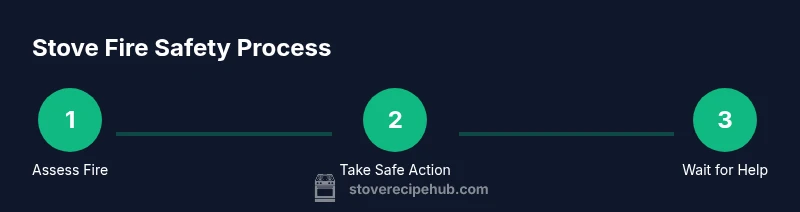
A kitchen fire on the stove can spread quickly, turning a normal meal into a dangerous situation within minutes. According to Stove Recipe Hub, the first priority is safety and calm, because panic slows your reactions and can lead to mistakes. Start by quickly assessing the scene: is the flame confined to the pan, can you reach a safe exit, and are there kids or pets nearby? If the fire is small and you can access the burner without stepping into the flame, you may attempt to turn the burner off to reduce fuel. If flames are licking the sides of the pan or creeping toward cabinets, evacuate immediately. Do not attempt to move the burning pan; dragging it across the kitchen creates a high risk of spreading hot oil. The next step is to prepare to smother the flames: close doors to limit oxygen, have a lid ready, and keep baking soda on hand. Do not use water on a grease fire, as water can cause the fat to explode into more flames. If you possess a fire extinguisher and you are trained to use it, you may deploy it from a safe distance after turning off the heat, following the PASS technique. After the incident, do not re-enter until it is cooled and professionals have inspected the stove. The Stove Recipe Hub team emphasizes practice and preparedness as core elements of kitchen safety.
Safety first: evacuate, alert, and assess
When a stove fire starts, your safety plan should include a fast exit if needed, alerting others in the home, and assessing whether you can intervene without risking injury. If flames are growing, evacuate and call emergency services immediately. Close the kitchen door behind you to slow the spread, and wait for professionals. If you can reach a working smoke alarm, ensure it is active and sounding. Do not re-enter until responders declare it safe. After escaping, review what happened to identify any gaps in preparation and arming yourself with safer habits in future meals.
Different fire types on stoves and how to respond
Stove fires can stem from grease, electricity, or gas. Grease fires are the most common on home stoves and require smothering rather than adding fuel. Electrical fires demand you cut power if safe; gas fires require shutting off the gas supply only if you can do so safely. In all cases, keep a safe distance, use a lid or a fire blanket if available, and call for help if the fire persists. If you ever wonder what to do if stove catches fire, remember that identifying the fuel source helps you choose the safest intervention.
How to smother a stove fire safely
Smothering is often the fastest way to stop a stove fire. Gently place a metal lid over the pan to deprive the flames of oxygen, and keep your hands away from the hot surface. Do not lift the lid while flames are visible. If smoke continues, use baking soda in a measured amount or a Class ABC extinguisher following the PASS technique. After applying, wait 5-10 minutes to ensure the fire is out and the pan has cooled. If the lid becomes hot, step back and reassess your plan, as heat transfer can be intense and unpredictable.
When to use a fire extinguisher or baking soda
For small, contained grease fires, baking soda can be effective. For larger or spreading flames, use a properly rated extinguisher (Class ABC for general home use). Remember PASS: pull the pin, aim at the base, squeeze, and sweep from side to side. Do not use an extinguisher if you are not confident in your ability to operate it safely. If you choose baking soda, use a generous handful and avoid creating a cloud that could obscure your vision.
After the incident: reporting and maintenance
Once the scene is safe, document the incident, inspect cookware and the stove for damage, and replace any compromised components. Check nearby outlets and cords for heat damage. If gas lines or connections were involved, contact a licensed professional before using the stove again. Review fire safety equipment and update your plan as needed. This is also a good time to recheck smoke detector functionality and discuss a family drill so everyone knows their role should a future incident occur.
Prevention: reduce the risk of stovetop fires
Prevention starts with clean cooking and mindful habits. Keep flammable items away from burners, use timers, and turn pot handles inward. Regularly clean grease and inspect burners for debris. Install and maintain working smoke detectors, and practice a fire drill with household members. Small daily habits add up to big safety gains. By integrating these habits into your cooking routine, you reduce the likelihood of a fire and increase your confidence in handling emergencies.
Myths and mistakes to avoid
Common myths—such as pouring flour on a grease fire or grabbing a burning pan—can escalate danger. Never throw water on a grease fire, never move a burning pan, and never rely on a wet towel to smother flames. If in doubt, evacuate and call emergency services. Avoid using the oven or dishwasher as a makeshift fire extinguisher, and don’t assume the fire will burn itself out without intervention. Staying informed helps you act correctly when it matters most.
Quick readiness checklist
Keep a metal lid ready for immediate use, have a Class ABC extinguisher accessible, store baking soda near the stove, and ensure smoke alarms are working. Create and rehearse a simple plan with all household members so everyone knows what to do within minutes. A small, well-practiced checklist can dramatically improve outcomes during a stove fire.
Tools & Materials
- Class ABC fire extinguisher(Keep accessible and check expiry annually)
- Metal lid or baking sheet(One large lid that fits most pans)
- Baking soda(Keep unopened box near stove)
- Fire blanket(Optional for lifting hot pans safely)
- Phone or emergency device(To call emergency services if needed)
Steps
Estimated time: Estimated total time: 5-15 minutes
- 1
Pause and assess the scene
As soon as you notice flames, pause, take a breath, and quickly evaluate the fire's size and whether you can safely intervene. Look for a clear exit and determine if others are at risk. If the flames are contained and you can reach the burner without stepping into danger, proceed to stop the fuel source.
Tip: Staying calm helps you think clearly and react faster. - 2
Turn off the heat safely if possible
If you can reach the knob without crossing flames, switch off the burner to stop adding heat. Do not attempt to move burning cookware or reach over flames. Shutting off the heat reduces the fuel available to the fire.
Tip: Only do this if your path to the knob is safe. - 3
Smother the flames with a lid or sheet
Gently place a metal lid over the pan to deprive the flames of oxygen. Do not lift the lid until it is fully cooled and the flames are out. Keeping a safe distance is essential to avoid burns.
Tip: Slide the lid into place rather than dropping it. - 4
Do not use water on grease fires
Water can cause grease to spatter and spread flames. If available, use baking soda or a proper extinguisher instead of water. Move away smoke by opening doors, not by waving water in the air.
Tip: If you must choose, baking soda is safer than attempting water. - 5
Use a fire extinguisher or baking soda for persistence
If flames persist after smothering, deploy a Class ABC extinguisher from a safe distance using the PASS technique. If using baking soda, apply a generous dose. Do not aim at yourself or others while operating the extinguisher.
Tip: Remember PASS: Pull, Aim, Squeeze, Sweep. - 6
Evacuate if the fire worsens or you feel unsafe
If flames spread beyond the pan or you sense danger, evacuate immediately and call emergency services. Do not attempt to re-enter or re-ignite cooling flames without professional assessment.
Tip: Meet responders outside and provide any helpful information. - 7
Call for help and wait for professionals
If you have not already contacted emergency services, do so now. Provide your location, describe flames and any injuries, and follow dispatcher instructions. Stay clear of the area until responders arrive.
Tip: Keep doors closed behind you to limit smoke spread. - 8
Review safety after the incident
Once safe, inspect cookware or damaged components and plan for replacement if needed. Check gas lines for odor or damage and call a professional if you suspect a gas leak. Do not attempt to reuse the stove until cleared.
Tip: Document the incident for insurance or safety review. - 9
Practice and update your safety plan
Run through a kitchen fire drill with household members, update your plan, and ensure equipment is accessible. Regular practice improves confidence and readiness for future emergencies.
Tip: Schedule quarterly practice sessions.
Common Questions
What should I do first if my stove catches fire?
Prioritize safety: evacuate if flames are large or hazards prevent intervention, otherwise turn off heat and cover the pan to smother the fire.
Prioritize safety. If flames are large, evacuate; otherwise, turn off the heat and cover the pan to smother the fire.
Can I put out a grease fire with water?
No. Water can cause grease to splatter and spread the fire. Use a metal lid or baking soda, or a proper extinguisher.
No. Water makes grease explode into flames. Use a lid, baking soda, or a Class ABC extinguisher.
When should I call emergency services?
Call emergency services if flames continue after attempting to smother the fire, if you can’t safely reach the source, or if you smell gas.
Call emergency services if flames continue, you can’t reach the source, or you smell gas.
Is it safe to smother with a metal lid?
Yes, if you can place the lid without risking contact with flames. Do not lift the lid until it is cool.
Yes, if you can do it safely; don't lift the lid until it’s cooled.
What about fires in the oven or microwave?
Oven or microwave fires require immediate power-off and, if they spread, professional help. Do not try to smother in the oven.
For oven or microwave fires, turn off power and call for help if it spreads.
How can I prevent stovetop fires in the future?
Keep surfaces clean, use timers, and stay with food while cooking. Regularly inspect burners and use safe cookware.
Keep your cook area clean, set timers, and stay with your food. Check burners regularly.
Watch Video
Top Takeaways
- Stay calm and exit safely if the fire grows.
- Turn off heat if safe to do so.
- Cover flames with a lid or baking soda.
- Use an extinguisher only if trained.
- Inspect and reset after the incident.