How to Treat a Stove Burn on Hand: Safe First Aid for Home Cooks
Learn practical, step-by-step first aid for stove burns on your hand, when to seek care, and prevention tips for home cooks.


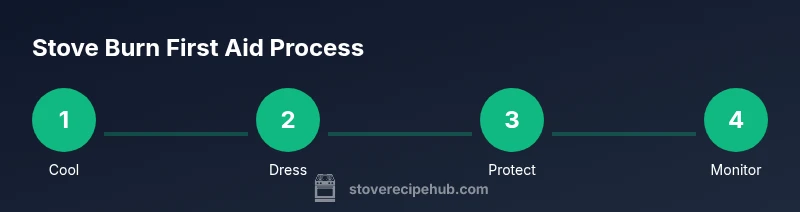
Goal: stop the burn from worsening and promote healing. For most minor stove burns, flush with cool running water for 10-20 minutes, then gently pat dry and cover with a clean nonstick dressing. Do not apply ice, butter, toothpaste, or ointments. If the burn is larger than the palm, involves joints, or blisters widely, seek medical care immediately.
Understanding stove burns: causes and types
Stove burns occur when hot surfaces, cookware, or splashed liquids come into contact with your skin. They can range from a mild reddening to deeper tissue injury. The important idea for home cooks is rapid cooling and careful wound care to minimize damage and scarring. According to Stove Recipe Hub, most stove-related hand burns are minor and heal with proper at-home care, but quick triage matters to prevent complications. In addition to skin damage, burns can cause swelling and pain that interferes with cooking tasks, so addressing discomfort early helps you get back to the stove faster.
Different burn depths require different responses. A superficial burn affects only the outer skin, while a deeper burn may involve underlying tissue and require medical evaluation. When you first notice a burn, your immediate priority is cooling the area and preventing infection. For hand burns, swelling can limit movement, so calmly supporting the injured hand on a cool surface while you assess the situation is helpful. Be mindful of jewelry or rings around fingers, as swelling can trap fingers and worsen injury. If the burn shows signs of spreading redness, increasing pain, fever, or pus, seek medical help promptly. This block sets the stage for practical, step-by-step care you can perform in your kitchen.
Immediate first aid steps for minor burns
When you accidentally touch a hot pan or burner, acting quickly can prevent the burn from worsening. Begin by running cool water over the area for 10-20 minutes. This cools the skin, reduces swelling, and limits tissue damage. After cooling, gently pat the area dry with a clean cloth and apply a clean nonstick dressing. Do not break blisters or apply ice, butter, toothpaste, or greasy substances, which can trap heat or cause infection. If the burned area is on the hand, remove rings or bracelets carefully before swelling makes removal difficult. If you have pain, you can take an over-the-counter analgesic as directed on the label, being mindful of any personal health conditions. Refrain from rubbing the burn or applying home remedies that promise quick cures. If the burn covers a large area or causes severe pain, seek medical care immediately.
Tools & Materials
- Access to clean, cool running water(Run over the burn for 10-20 minutes to cool the area.)
- Mild soap and clean towels(Use around the burn area to cleanse gently; avoid scrubbing.)
- Clean nonstick dressing(Sterile preferred; covers the wound to prevent contamination.)
- Sterile gauze or breathable dressing(For dressing changes or preserving airflow to the wound.)
- Over-the-counter pain reliever (acetaminophen/ibuprofen)(Follow label directions and personal health considerations.)
- Antiseptic wipes(Optional for around the wound site before dressing.)
Steps
Estimated time: 15-45 minutes for initial care; follow-ups as needed
- 1
Stop and assess
Pause cooking activity to evaluate the burn. Look for redness, blistering, or open skin. If the skin looks severely damaged, seek care immediately.
Tip: Don’t ignore pain; it’s a cue that the wound needs attention. - 2
Cool the burn
Place the affected hand under cool running water for 10-20 minutes. This reduces heat, minimizes swelling, and limits tissue damage.
Tip: Avoid ice as it can further damage tissue and slow healing. - 3
Gently dry and protect
Pat dry with a clean cloth and apply a clean nonstick dressing. Do not puncture blisters or apply greasy substances.
Tip: If a blister forms, leave it intact to reduce infection risk. - 4
Remove constricting items
Take off rings or bracelets before swelling begins. This prevents finger constriction and circulation problems.
Tip: If the item cannot be removed easily, seek medical help before attempting to cut it off. - 5
Pain management
If needed, take an OTC pain reliever per label directions and your health considerations.
Tip: Avoid taking medications on an empty stomach unless advised. - 6
Monitor and protect
Keep the burn clean and dry; change dressings daily or if wet. Watch for signs of infection.
Tip: Keep the hand elevated when possible to reduce swelling. - 7
Know when to seek care
If pain worsens, redness spreads, fever develops, or blisters cover large areas, contact a clinician promptly.
Tip: When in doubt, a quick telemedicine consult can provide reassurance.
Common Questions
What counts as a minor stove burn?
A minor stove burn affects only the outer skin (epidermis) and typically heals within a few days with proper care, no deep tissue involvement, and no signs of infection.
A minor burn is just the surface layer and usually heals quickly with simple care.
Can I pop or break blisters?
No. Blisters protect the underlying tissue. Popping them increases infection risk; if a blister bursts naturally, clean and cover the area.
Don't pop blisters; let them heal on their own unless a clinician advises otherwise.
What should I do if a burn is larger than the palm?
A burn larger than the palm, or burns on the hands, face, or joints, may require medical evaluation. Seek urgent care if pain is severe or the area grows.
If the burn is large or involves sensitive areas, get medical help.
Is butter or ointment safe for burns?
Butter and many home remedies are not recommended; they can trap heat and bacteria. Use clean dressings and sterile care instead.
Avoid butter or home remedies; use proper dressings and cleaning.
When should I seek emergency care?
Go to the ER for extensive redness, white or charred skin, severe pain, numbness, or signs of infection.
Go to the emergency department if the burn looks severe or is not improving.
Are kitchen burns more dangerous for children?
Children have thinner skin, so burns can be more serious for them. Treat similarly but seek medical advice sooner when in doubt.
Children’s burns need careful attention and earlier medical input.
Watch Video
Top Takeaways
- Cool the burn for 10-20 minutes to limit damage.
- Use clean dressings and avoid home remedies that trap heat.
- Remove rings early to prevent swelling-related constriction.
- Seek care for large, deep, or joint-involved burns.
- Prevent future burns with safe cooking habits.