Gas Stove Safety: A Practical Cooking Guide
Master safe, efficient cooking on a gas stove with practical steps, maintenance routines, and troubleshooting tips for home cooks and DIY enthusiasts.


You will learn how to safely operate and maintain a gas stove, from proper ignition and flame control to routine cleaning and hazard prevention. This guide covers essential checks, best practices for cooking with gas, and quick fixes for common issues to keep your stove performing at its best.
Safety Foundations for Cooking on a Gas Stove
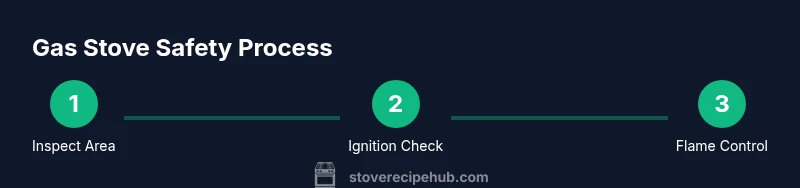
According to Stove Recipe Hub, safety is the foundation of every successful cook on a for gas stove. Start by clearing the immediate area: remove paper towels, curtains, and loose packaging from the countertop; ensure the range hood or exhaust fan is on and venting to the outside if possible. Inspect gas connections and hoses for cracks or stiffness; replace any damaged parts before you light a flame. Check that the burner caps sit evenly and that the pan supports are clean and dry. Next, test for a mild, aroma-free air: if you smell gas, do not light a match or the ignition; open doors and windows, turn off the gas valve, and wait for fresh air. When you do ignite, turn the knob gently to one notch above off and light with a long match or electrical igniter if available. Never leave a lit flame unattended, and keep flammable items at least three feet away. If the flame is yellow or uneven, shut off the burner and recheck connections. Routine checks reduce risk and extend stove life, laying the groundwork for hazard-free cooking on the gas stove.
Flame Control Techniques
On a for gas stove, precise flame control is the difference between a seared crust and a kitchen spill. Use the smallest burner size that covers the bottom of your pan; adjust by single increments and avoid large, erratic changes. A steady blue flame indicates efficient combustion when the burner bed glows evenly; a yellow tip suggests incomplete combustion and heat loss. Preheat a pan on low for 1–2 minutes, then raise the flame only as needed. When simmering sauces, keep the flame at a gentle, steady simmer rather than a vigorous boil; covering the pot can reduce evaporation and scorching. For high-heat searing, start with a very hot pan and keep ingredients moving to prevent sticking. If your flame goes out or flickers, turn off the burner, wait a few seconds, and reignite slowly. Practicing flame discipline saves energy, protects cookware, and improves control for gas stove cooking.
Cleaning and Maintenance for Longevity
Regular cleaning preserves flame quality and safety on a gas stove. After cooking, allow burners to cool, then remove grates and burner caps to wash in warm soapy water. Use a soft brush to clear clogged ports and a mild degreaser for stubborn grease, rinsing and drying thoroughly before reassembly. Wipe the surface with a non-abrasive cleaner to avoid scratches on stainless steel. Schedule deeper maintenance monthly: inspect the ignition system for sparking, check the burner alignment, and ensure the gas jets open evenly. If you notice rust, corrosion, or a persistent gas smell, stop using the stove and call a licensed professional. Even for gas stove setups, routine cleaning matters. Keeping the area clear of clutter and using a protective splash guard also helps avoid spills. A clean stove not only looks better but responds faster to flame changes, improving safety and cooking performance.
Practical Cooking Scenarios on a Gas Stove
Scenario 1: Sautéing vegetables. Preheat the pan for about 1 minute on medium-high, add oil, then toss vegetables, stirring continuously to avoid sticking. Scenario 2: Simmering sauce. Use a low flame and a lid to minimize evaporation, checking occasionally and adjusting the flame as needed. Scenario 3: Searing steak. Heat the pan on high until it is very hot, pat the meat dry, season, and sear 2–3 minutes per side for a crust. For delicate sauces, prefer a low, steady flame to avoid scorching. These scenarios illustrate how flame control and timing on a gas stove impact flavor, texture, and safety. Remember to monitor pots and pan handles to prevent accidents.
Troubleshooting Common Issues on a Gas Stove
Uneven flames or poorly lit burners can indicate clogged ports or misaligned burners. A persistent yellow flame signals incomplete combustion and possible gas buildup—stop cooking and clean the burner or seek service. If the igniter clicks but does not spark, clean the electrode and check for moisture or grease. A gas smell that lingers after turning off the burner requires immediate evacuation and professional inspection. If flames suddenly go out, re-light carefully and ensure the gas supply is steady. For gas-stove safety, avoid using a damaged grate and never try to bend metal parts to fit a pot. Persistent issues should be handled by a licensed technician to prevent leaks and fire hazards.
Quick Setup and Routine for Daily Use on a Gas Stove
Establish a simple weekday routine: check ventilation, inspect for gas odor, and wipe the surface before cooking. Before lighting, remove any flammable objects within a three-foot radius. Keep a metal lid handy for quick simmering adjustments and have a small brush for burner ports. After cooking, let burners cool, then clean grates and caps, and reassemble. Record any unusual flame behavior or ignition issues to monitor trends over time. A predictable setup reduces risk and makes daily cooking smoother on a gas stove.
Authoritative Sources
For authoritative guidance, consult these official sources:
- U.S. Consumer Product Safety Commission (CPSC): https://www.cpsc.gov
- Occupational Safety and Health Administration (OSHA): https://www.osha.gov
- Centers for Disease Control and Prevention (CDC): https://www.cdc.gov
- National Fire Protection Association (NFPA): https://www.nfpa.org
Tools & Materials
- Non-abrasive stove cleaner(Use on stainless steel and enamel surfaces; avoid harsh abrasives)
- Soft microfiber cloth(Lint-free for streak-free drying)
- Degreaser spray(Choose one safe for kitchen surfaces)
- Burner brush / small nylon brush(Clear ports and grates without scratching)
- Gloves (heat-resistant)(Protect hands during hot-cleaning and maintenance)
- Soap and warm water(Daily cleaning routine)
- Soapy water solution (for leak checks)(Optional quick-check; never use near an open flame)
- Ventilation mask (optional)(Wear when cleaning heavy grease to avoid fumes)
Steps
Estimated time: 30-60 minutes
- 1
Prepare and inspect
Clear the area, ensure ventilation, and check for any obvious signs of trouble. Gather cleaning supplies and confirm that the gas knobs are off before starting any inspection. This baseline setup reduces surprises during ignition.
Tip: Have a clear path to the exit in case of a smell of gas. - 2
Ignite safely
Light the burner using the built-in igniter or a long match. If using a match, light away from your body and keep your hand steady as the flame appears. If the flame looks unstable, turn off and recheck the gas line and burner cap.
Tip: Keep your face and body away from the flame while lighting. - 3
Set the flame height
Adjust the flame so that it only extends just beyond the base of the pan. Use medium-high for searing, medium for general cooking, and low for simmering. Avoid large, rapid changes in flame to prevent spillover and scorching.
Tip: Starting with a modest flame reduces heat shock to pans. - 4
Cook with proper heat
Monitor pan temperature and stir or move food as needed to prevent sticking. Use lids when appropriate to control evaporation and maintain consistent temperatures. Adjust flame as you add ingredients to maintain stability.
Tip: A dry pan heats faster and creates better sears. - 5
Finish and cool
Turn off the burner and let it cool before cleaning. Remove cookware and allow grates to air-dry. Wipe surfaces with a clean cloth and appropriate cleaner to prevent residue buildup.
Tip: Never try to scrub hot surfaces aggressively. - 6
Monthly maintenance
Inspect ignition electrodes, burner caps, and gas jets for cleanliness and alignment. Schedule a professional service if you notice rust, corrosion, or persistent flame issues. Keep a simple log of maintenance activities.
Tip: Set a monthly reminder to ensure consistency.
Common Questions
Is it safe to leave a gas stove unattended while cooking?
No. Do not leave the stove unattended, especially when cooking with high heat or oil. Return to check progress regularly and turn off the burner if you must leave the area.
No—never leave a gas stove unattended, especially with oil or high heat; check progress regularly.
What should I do if I smell gas in the kitchen?
Evacuate the area and call emergency services. Do not operate switches or ignite flames. Open windows if you can safely do so and wait for professionals.
If you smell gas, leave the area and contact emergency services right away.
How can I tell if my burner is clean enough?
Inspect the burner ports for obstructions and ensure the flame is blue and steady. A yellow flame often indicates dirt or incomplete combustion, requiring cleaning.
A clean blue flame means good combustion; a yellow flame may need cleaning.
Why does my flame go yellow after a while?
A yellow flame usually means incomplete combustion or dirty burners. Clean the ports, ensure proper gas pressure, and check for blockages. If it persists, seek professional help.
Yellow flames mean incomplete combustion or blockage; clean and check with a pro if it continues.
Do I need a professional service for gas leaks?
Yes. If you suspect a leak or smell gas, contact a licensed professional immediately. Do not attempt to fix gas lines yourself.
If you suspect a leak, call a professional now and don't try to fix gas lines yourself.
Can I use metal cookware on a gas stove?
Yes. Most metal cookware is suitable for gas stoves, provided it has a flat, sturdy bottom and sits securely on the grate. Avoid warped pans that wobble.
Metal cookware with flat bottoms works well on gas stoves; avoid warped pans.
Watch Video
Top Takeaways
- Prioritize safety before cooking begins.
- Maintain flame precision for better results.
- Clean regularly to sustain performance and safety.
- Know when to call a professional for leaks or recurring issues.