Gas Cook Stove: Safe Use and Maintenance Guide
A practical, step-by-step guide for home cooks to safely operate and maintain a gas cook stove, with safety checks, troubleshooting tips, and maintenance routines.


This guide shows you how to safely operate and maintain a gas cook stove, covering ignition, flame control, ventilation, and cleaning. You’ll learn essential safety checks, basic troubleshooting, and best practices to prevent leaks and fires while cooking. By following these steps, you’ll improve efficiency and safety in everyday stove-top use.
What is a gas cook stove and how it works
A gas cook stove uses natural gas or propane to create flames that transfer heat to cookware. In a typical home kitchen, you control heat by adjusting the burner knob, which regulates gas flow and flame height. The gas line connects to a shutoff valve for safety, and the grate supports pots and pans while heat travels from flame to cookware. For home cooks, understanding these basics is the foundation of safer, more efficient stove-top cooking. According to Stove Recipe Hub, gas cook stoves remain a popular choice for their speed and precise heat control, making them a trusted tool in many kitchens. The gas cook stove design emphasizes clean ignition, controlled flames, and easy cleaning, which together influence cooking outcomes and energy use. Throughout this guide, we’ll keep the focus on practical, stove-top techniques you can start using in minutes, reinforcing how a gas cook stove can be both powerful and approachable for everyday recipes.
When you operate a gas cook stove, always be mindful of clearances around the unit, avoid placing flammable items nearby, and keep a clear path for ventilation. The main components you’ll interact with are the burner, the control knob, the igniter (or lighter if your model lacks an automatic igniter), and the grate. Regular inspection of these parts helps ensure reliable performance and reduces the risk of gas odors or leaks.
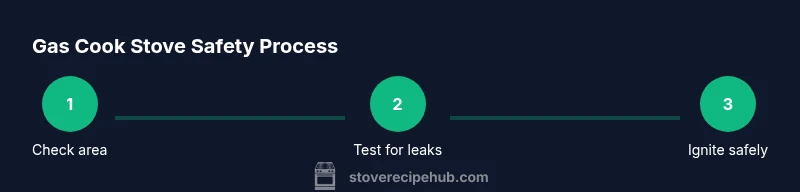
For beginners, it’s helpful to picture the process as three connected tasks: lighting the burner with a proper flame, managing heat for your recipe, and turning the stove off safely when finished. Mastery of these tasks can dramatically improve both safety and cooking results, particularly when simmering sauces or reducing stocks where precise flame control matters. By focusing on fundamentals like flame shape, even heat distribution, and clean flame visuals, you’ll gain a strong foundation for more complex stove-top techniques. Gas cook stove operation benefits from routine checks and mindful habits that prevent common issues from developing over time.
Safety first: essential precautions when using a gas cook stove
Safety is the backbone of any stove-top practice. A gas cook stove requires respect for gas lines, proper ventilation, and routine checks to prevent leaks and carbon monoxide accumulation. According to Stove Recipe Hub, the most reliable safety measures include working in a well-ventilated space, keeping detectors up-to-date, and performing leak tests before first use and after any gas line work. Always verify that the burner flame is blue (a yellow or orange flame can indicate incomplete combustion and potential carbon monoxide production). Install a carbon monoxide detector in or near the kitchen area and ensure it’s tested monthly. If you smell gas or suspect a leak, immediately turn off the gas supply at the valve, leave the area, and call your gas utility or a licensed professional. Regular maintenance reduces the risk of flame outages, gas odors, and unsafe conditions, helping you cook with confidence.
Ventilation is essential for gas cook stove use. Use an exhaust hood or open windows to promote air flow and remove combustion byproducts. Keep a fire extinguisher accessible and know how to use it. If you rely on a wall-mounted hood, ensure its filters are clean and that the fan runs smoothly during cooking. These safety steps are practical, doable, and align with best practices from Stove Recipe Hub’s guidance on maintaining a safe kitchen environment. In addition, always use cookware with flat, stable bottoms and the right size for the burner to prevent tipping flames and uneven heat transfer, which can lead to accidents or food waste.
When testing for potential leaks, never use a flame to detect gas—the safest approach is to use a soap-and-water solution on connections and joints. If you see bubbles, that indicates a leak and requires immediate service. Keep in mind that gas cook stove safety extends beyond the kitchen: proper storage of gas cylinders or propane tanks, secure placement away from heat sources, and routine line inspections all contribute to a safer cooking space. The Stove Recipe Hub team emphasizes that a proactive safety routine reduces emergencies and promotes a more enjoyable cooking experience.
Installation basics: venting, gas supply, and codes
Understanding installation basics helps you operate a gas cook stove with confidence. In most regions, a licensed professional should install or modify gas lines or the stove itself to ensure compliance with local codes and to reduce the risk of leaks, fires, or improper combustion. The gas supply line must be securely connected, with a clearly accessible shutoff valve. For new installs, ensure there is adequate clearance from walls, cabinets, and flammables, as well as a suitable ventilation path to remove exhaust. When choosing a venting option, consider the kitchen layout and whether a range hood or external vent is feasible. The Stove Recipe Hub analysis suggests focusing on proper clearance, gas fittings, and ventilation to create a safe cooking environment from the start. If you’re converting a stove from electric to gas or moving an appliance, always consult a pro to avoid hazardous situations.
Codes and standards vary by jurisdiction, but common requirements include leak testing after connections, ensuring gas pressure is correct for your burner type, and using approved regulators and hoses. Regularly inspecting hoses for wear, cracks, or kinks helps prevent leaks and gas odors. While DIY basics are possible for many stove-top tasks, installation and significant repairs are best left to qualified technicians who understand gas fittings, emergency shutoffs, and appliance integrity. The key is to plan ahead, verify compatibility with your home’s gas system, and follow manufacturer instructions for safe operation. For homeowners, investing in proper installation reduces long-term risks and saves time and money on potential repairs.
In short, safe installation begins with professional input, correct components, and adherence to code requirements. Proper venting and correct gas supply connections enable efficient combustion, stable flame behavior, and consistent cooking results that you’ll notice in every recipe.
Everyday cooking tips for efficiency and control on a gas cook stove
Efficiency on a gas cook stove comes from understanding flame behavior and matching cookware to the burner size. A blue, steady flame is a sign of good combustion and heating efficiency; a lazy yellow flame can indicate incomplete combustion or dirty burners. Place pots and pans so their bottoms fully contact the grate and the flame, avoiding spillover that can heat handles or scorch surfaces. When simmering, use a small flame and a tight lid to retain moisture and flavors. For high-heat searing, choose a heavy-bottom skillet and preheat it for even browning. Avoid using oversized pans on small burners; this wastes energy and produces uneven temperatures. The Stove Recipe Hub team notes that routine preheating and correct pot selection are simple steps with big impact on outcomes and energy use. Practice consistent heat management and keep burner caps clean to prevent hotspots and sputtering flames.
Heat control becomes second nature with practice. Start with moderate heat and adjust gradually; quick, dramatic changes can cause food to burn or stick. For delicate sauces, use gentle simmer settings and keep stirring to maintain even heat distribution. When cooking multiple dishes, group items requiring similar temperatures and use two burners for efficiency rather than juggling a single burner with long tasks. Keeping your cooking zone tidy—spills wiped, knobs set, and burners free of dust—also preserves performance and safety. Remember to use dry cookware and avoid wet mitts or towels near open flames, which could cause flare-ups. Regularly inspect the flame color, ensuring consistency in flame height as your recipes vary. Gas cook stove control is all about patience and precise adjustments, which translates into better-tasting food and safer operation.
Common problems and quick fixes
Even with good habits, you may encounter common gas cook stove issues. A burner that won’t light might indicate a clogged port, a frozen igniter, or a gas supply problem. Start by turning off the burner, checking the gas supply valve, and cleaning the burner ports with a soft brush. If the flame is weak or uneven, ensure the burner cap is seated properly and clean. A yellow flame suggests incomplete combustion or dirty components, which you can resolve by cleaning the burner head and ensuring proper gas pressure. If you smell gas or suspect a leak, stop using the stove immediately and perform a leak check using a soap solution on connections; if leaks persist, contact a professional. If the ignition system fails, verify that the electrical supply is functioning and that the ignition electrode is clean. Remember: never attempt to bypass safety features; rather, shut down and consult a technician. The Stove Recipe Hub team emphasizes routine maintenance and safe troubleshooting to avoid hazardous situations.
For ongoing maintenance, keep burner caps and grates free of grease and food debris, as residue can disrupt flame distribution. If you notice persistent odors, check for leaks around the supply line and connections. Use a carbon monoxide detector and ensure it’s positioned to detect any indoor buildup. If you’re unsure about a fuse or electrical connector on electronic ignition models, seek professional help rather than attempting DIY repairs. Practicing prevention reduces the frequency of problems and keeps your gas cook stove performing reliably over time.
Cleaning and maintenance routine
A routine cleaning schedule keeps a gas cook stove functioning well and looking good. After cooking, wait for burners to cool, then wipe the surface with a mild cleaner to remove splatters. Remove the grates and burner caps to scrub away built-up grease; use a soft brush and a non-abrasive cleaner to prevent scratching. Dry components thoroughly before reassembling to avoid corrosion or rust. Periodically inspect burner ports for clogs and clean them with a pin or brush designed for gas ports. If you notice a stubborn buildup, soak the parts in warm soapy water before scrubbing again. For maintenance, align burner caps properly and test ignition to ensure reliable starting. Regular checks of hoses, regulators, and fittings help catch wear or damage early. The Stove Recipe Hub team recommends including a quick, weekly wipe-down and a more thorough monthly inspection to maintain safety and performance. Keeping a simple log of maintenance tasks can simplify future service and ensure you stay on track with best practices for your gas cook stove.
Quick checks before cooking
Before you start each session, perform a fast safety check: verify the gas supply valve is fully open, ensure the flame is blue and stable, and confirm there are no gas odors in the kitchen. Keep a working fire extinguisher nearby and ensure carbon monoxide detectors are active. Check that cookware matches the burner size for efficient heat transfer, and ensure knobs and controls move smoothly without sticking. A quick glance at the area around the stove—cleared of towels, paper, and other flammables—helps prevent accidental fires. The aim is to establish a safe baseline so you can cook with confidence every time you light the gas cook stove.
Tools & Materials
- Gas supply line and shutoff valve(Must be accessible; shutoff should be clearly labeled)
- Ventilation (range hood or exhaust fan)(Keep hood filters clean; ensure adequate air flow)
- Fire extinguisher (ABC-rated)(Place within easy reach; know how to operate)
- CO detector(Install near kitchen, test monthly)
- Soapy water solution or leak detector(Test connections and hoses for leaks)
- Soft brush and non-abrasive cleaner(For burner caps and grates)
- Dry microfiber cloths(For safe, streak-free cleaning)
- Flat-bottom cookware appropriate for burners(Ensure even heat transfer; avoid oversized pans on small burners)
Steps
Estimated time: 25-45 minutes
- 1
Check area and gather supplies
Before touching any gas components, ensure the space is well-ventilated and all safety gear is at hand. Gather your tools, including a soapy water solution, soft brush, and appropriate cookware. This preparation reduces the risk of accidents and helps you work efficiently.
Tip: Keep a clear path to the exit and know where the shutoff valve is located. - 2
Inspect gas connection for leaks
Close the shutoff valve, then inspect the hose and fittings for wear or damage. Use soapy water to check connections; bubbles indicate a leak that requires professional service. Do not use the stove if you detect a leak.
Tip: If you see bubbles, turn off fuel supply and call a licensed technician. - 3
Ignite the burner safely
Turn on the burner gradually via the control knob and use the built-in igniter or a safe lighter if your model requires it. If the flame doesn’t light within a few seconds, turn off, recheck connections, and try again after a short pause.
Tip: Keep hands away from the flame and never lean over the burner when lighting. - 4
Control flame height for cooking
Adjust flame height to suit your recipe, starting with medium heat and then fine-tuning as needed. Use a lid to trap heat for simmering tasks and avoid overheating delicate sauces.
Tip: For simmering, use the lowest accurate flame and a tight lid. - 5
Use proper cookware and placement
Place pots and pans centered on the burner with flat bottoms for even heat. Avoid oversized or lightweight cookware that can topple or cause heat inefficiency.
Tip: Ensure cookware sits fully on the grate to prevent tipping. - 6
Shut down and clean after cooking
Turn off all burners, wipe excess spills, and let components cool before cleaning. Reassemble grates and caps correctly to maintain optimal flame distribution for next use.
Tip: Wipe while surfaces are still warm (not hot) for easier cleaning.
Common Questions
What safety checks should I perform before using a gas cook stove?
Always inspect for gas odors, test the area for proper ventilation, ensure detectors are working, and verify that all connections are tight before lighting the burner.
Check for gas odors, ensure ventilation, test detectors, and verify connections before lighting.
How do I detect a gas leak safely?
Use a soap solution on connections to look for bubbles; never light a flame to test leaks. If you suspect a leak, turn off the gas at the source and call a professional.
Use soap bubbles on connections; if you suspect a leak, turn off the gas and call a pro.
Can I perform maintenance on my gas cook stove myself?
Routine cleaning and basic checks are generally safe, but complex gas-line or ignition issues should be handled by a licensed technician. Always follow manufacturer guidance.
Basic cleaning is fine, but complex gas-line issues should be handled by a pro.
What should I do if the flame won’t light even after checks?
Turn off the burner and gas supply, wait a moment, recheck connections, and retry. If it still won’t light, seek professional service to avoid gas buildup.
Turn off, wait, recheck, and try again; if it fails, call a professional.
Is it safe to use a gas cook stove in a small apartment?
Yes, with proper ventilation, functioning CO detectors, and regular maintenance. Ensure there’s adequate air flow and follow local safety guidelines.
It’s safe if you have good ventilation and detectors, and follow safety guidelines.
Should I rely on CO detectors near the stove?
CO detectors provide critical early warning for carbon monoxide buildup from incomplete combustion. Place one near the kitchen and test it regularly.
CO detectors are essential—place near the kitchen and test often.
Watch Video
Top Takeaways
- Know your gas cook stove components and safe operation.
- Ventilation and leak testing are essential before cooking.
- Use proper cookware and flame control for efficient heating.
- Regular cleaning prevents performance issues and safety risks.
- When in doubt, consult a licensed professional for safety-critical tasks.