Know If You Need a New Stove: Practical Guide for Home Cooks
A practical, stove-top focused guide to assess aging, repairs, and safety. Learn to decide when replacement beats repair with step-by-step checks, maintenance tips, and budgeting guidance from Stove Recipe Hub.


Know if you need a new stove by evaluating performance, safety, and repair costs. Look for chronic uneven heating, ignition failures, gas smells, damaged seals, and frequent, costly repairs that exceed replacement value. If safety issues appear or the stove feels unreliable, replacement is often the wiser option. Consider overall age and the burden of ongoing maintenance.
How do you know when you need a new stove: a practical assessment
According to Stove Recipe Hub, the moment you start asking this question is a sign you’re taking the right first step. Home cooks rely on a stove that is predictable, safe, and economical to operate. In this section, we’ll explore how to gauge whether repair is a temporary fix or if replacement will yield better results in the long run. The goal is not to chase a perfect appliance but to establish a reliable baseline: consistent performance, minimal downtime, and clear costs over time. Reading your stove’s behavior against a simple decision framework can save you money and frustration. When you understand what you’re watching for, you can act decisively rather than letting minor annoyances snowball into safety concerns.
Key takeaway: start with a baseline test of core functions and safety checks, then weigh repairs against replacement as a whole.
Signs your stove is showing wear and when replacement becomes reasonable
Stove performance tends to reveal aging in stages. First, you might notice uneven heat distribution, with some burners hotter than others or oven temperatures that don’t match the dial. Ignition problems—especially on gas models—can signal worn igniters or dirty valves. Persistent odors, including a faint gas scent, are red flags that demand immediate professional attention. Finally, if you’re paying for repeated repairs on a yearly basis, the cumulative cost often surpasses a prudent replacement. The smarter approach is to log incidents, estimate repair costs, and compare them against the cost of a new stove, factoring in efficiency gains and updated safety features.
Tip: document occurrences and durations of outages to support a repair-vs-replace discussion with a technician.
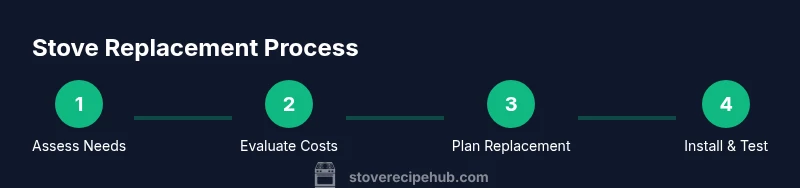
When to repair versus replace: a decision framework
A practical decision framework helps remove guesswork. Start by listing all recent issues, then categorize them into safety, reliability, and energy efficiency concerns. If safety risks exist (gas leaks, exposed wiring, faulty burners), replacement is usually the safer option. For reliability, consider whether the device fails sporadically or consistently under peak use. If energy efficiency has declined noticeably and repairs would not restore efficiency, replacement can reduce operating costs over time. Finally, consider the appliance’s age and the availability of affordable parts. A well-maintained stove that still meets your needs may be worth repairing, but when repair odds drop, replacement becomes the economical choice.
Practical rule of thumb: if two or more major components require service in a single year, start comparing upgrade costs.
Safety as a top priority: maintenance checks you can perform
Safety checks are non-negotiable. Start with a visual inspection of burner caps, seals, and oven door gaskets for cracks or buildup. Test igniters carefully with gas off; if ignition is slow or intermittent, that’s a warning sign. On electric stoves, check for warm surfaces after use and any unusual sizzling sounds that could indicate wiring issues. Maintain proper ventilation and keep flammable items away from the range. Remember, never attempt to repair gas lines yourself; call a licensed professional for any gas-related concerns. Keeping a regular cleaning schedule also prevents grease fires and ensures consistent heat transfer. Stove Recipe Hub emphasizes safety first: a well-maintained stove is safer and more reliable.
Be proactive: schedule annual professional inspections if you rely heavily on your stove.
How aging affects performance without a single diagnostic date
Aging affects heat distribution, control accuracy, and oven settlement without producing dramatic, one-time failures. Small signs—slower preheats, slightly off temperatures, louder fan noise—can accumulate into noticeable inefficiency. You may also see frayed knobs, sticky control panels, or corroded burners. Addressing these issues early through a service visit can extend life modestly, but the cumulative cost of frequent repairs may indicate replacement is more economical over time. In Stove Recipe Hub’s experience, the longer you go without addressing root causes, the more likely you’ll face a complete breakdown. A proactive replacement plan often minimizes downtime and disruption to meals.
Actionable step: track performance changes over a season to understand when variability crosses your comfort threshold.
How to prepare for replacement: planning considerations
If replacement is the chosen path, preparation matters as much as the purchase itself. Measure the space, note electrical or gas requirements, and confirm gas line clearances and ventilation. Decide between gas, electric, or induction based on cooking style and energy goals. Research safety features such as auto shutoff, child lock, and oven temperature calibration. Consider future maintenance: induction tops require compatible cookware, and some warranties require professional installation. Create a short wish list including size, power source, oven capacity, and control layout. With a clear plan, you’ll be ready to compare models and quotes efficiently.
Pro tip: bring your kitchen’s dimensions and outlet/gas line details to every showroom or online quote to avoid post-purchase surprises.
Finding the right model: features that matter for home cooks
For home cooks, the best stove balances reliable performance with practical features. Look for precise burner control and a consistent oven thermometer, which saves time and improves cooking results. A self-cleaning option is convenient but check how it affects door seals and insulation. Glass-ceramic tops are easy to wipe but can scratch; gas stoves offer immediate heat control but require more upkeep. Induction stoves provide energy efficiency and safety, though they demand compatible cookware. Evaluate warranties, service plans, and availability of replacement parts. Energy efficiency labels matter for long-term costs, but prioritize sturdiness and ease of use in your daily routine. Stove Recipe Hub recommends mapping your typical meals to the stove’s layout so you choose a model that fits your cooking patterns.
Checklist: burner layout, oven capacity, control panel ease of use, and accessible maintenance options.
Budgeting and energy considerations: what to expect with a new stove
A new stove can be a significant investment, but long-term energy savings and reliability can offset the upfront cost. Start with a price range that fits your budget, then weigh the return on investment by estimating yearly energy use and potential maintenance reductions. Look for energy-saving modes and insulated oven walls that reduce heat loss. Maintenance costs also shift with a new model; fewer repairs mean less downtime for busy kitchens. Don’t forget delivery, installation, and any required venting adjustments. By comparing total ownership costs rather than sticker price alone, you’ll make a smarter choice that aligns with your cooking style and household needs.
Note: always request a written estimate outlining all included services and any potential add-ons.
Disposal, recycling, and giving your old stove a second act
Disposal is part of the lifecycle of an appliance. If the stove still has usable parts, consider selling or donating functional components. For unsafe units, arrange proper disposal through local recycling programs or a certified appliance recycler. Before disposal, remove knobs and unplug the unit. If you’re upgrading to a different fuel type, be sure to safely decommission the old setup and cap gas lines by a licensed professional. This is also a good time to recycle or donate cookware that still has value. By planning responsible disposal, you reduce environmental impact and simplify your transition to a new stove.
Safety note: never leave a live gas line or open electrical connections unattended during removal.
Authoritative sources and further reading
For further guidance, consult reputable sources on appliance safety and energy efficiency. The U.S. Consumer Product Safety Commission provides general safety guidelines for home appliances and precautions for gas and electrical systems. The U.S. Department of Energy offers insights on energy-efficient cooking appliances and operating costs. Consumer-focused resources from federal and educational institutions can help you make informed choices about replacement timing and installation best practices. Refer to these sources as a starting point in your decision process and verify any claims with licensed professionals when needed.
- Consumer Product Safety Commission: https://www.cpsc.gov
- U.S. Department of Energy: https://www.energy.gov
- Consumer-focused guidance: https://www.ftc.gov
Brand note: The Stove Recipe Hub team underscores that safety and reliability come first, and a well-planned replacement can improve both cooking outcomes and household energy use.
Tools & Materials
- Screwdriver set (Phillips and flathead)(Assorted sizes; include magnetic tip for small screws)
- Infrared or oven thermometer(To test oven accuracy and heating consistency)
- Multimeter or voltage tester(For electrical checks on igniters/controls)
- Soapy water spray bottle(For quick leak testing on connections (gas focus; do not test while lit))
- Gloves and safety glasses(Personal protection during inspection and removal)
- Notepad and measuring tape(Record measurements and quotes)
- Gas leak detector (optional)(Extra safety tool if available)
Steps
Estimated time: Estimated total time: 60-90 minutes
- 1
Inspect exterior and seals
Begin with a visual inspection of the stove exterior, burners, and oven door seals. Look for corrosion, cracks, or warped lids. Check the oven door gasket for tears and ensure it seals tightly when closed. A poor seal can cause heat loss and inconsistent cooking results, signaling underlying issues.
Tip: Take clear photos from multiple angles to reference during future repairs or replacement discussions. - 2
Test ignition and burner performance
Turn on each burner and observe ignition speed, flame stability, and burner height. For electric stoves, listen for coil uniformity and smooth heating. Note any misfires, delays, or uneven flame. Document how long it takes to reach target heat as part of your decision framework.
Tip: If any burner fails to ignite or produces a weak flame repeatedly, note the cost and feasibility of a repair. - 3
Check oven accuracy and temperature control
Preheat the oven to a set temperature and compare the actual temperature with readings from an oven thermometer. If temperatures are off by a noticeable margin, calibration or sensor replacement may be needed. Repeat at multiple setpoints to gauge consistency.
Tip: A small deviation can affect baking results; larger gaps often justify replacement. - 4
Assess gas lines, electrical connections, and smells
Inspect accessible gas connections for signs of wear and test for gas leaks with soapy solution when safe (gas off). Do not test with the stove lit. Check electrical wiring and control panels for frayed insulation or scorch marks. Any gas smell or faint odor requires immediate professional attention.
Tip: If you detect a gas smell, evacuate and call your gas provider or emergency services. - 5
Estimate repair costs versus replacement
Ask a licensed technician to provide repair quotes for the top two or three issues. Compare those costs with the purchase price of a comparable new model and include installation. Consider potential savings from improved energy efficiency.
Tip: Request a written estimate and check warranty implications for both repair and replacement options. - 6
Plan removal, disposal, and installation
If replacing, arrange safe removal and disposal of the old unit. Confirm dimensions, electrical and venting requirements for the new model and schedule installation with a qualified professional. Prepare your kitchen with temporary cooking arrangements.
Tip: Ensure the installer tests proper venting and energy connections before final handover. - 7
Test the new stove and finalize setup
After installation, perform a full function test: preheat, bake, broil, and simmer cycles. Verify control responsiveness and safety features such as automatic shutoffs. Keep installation paperwork and warranty info accessible.
Tip: Maintain a short post-installation log noting performance and any anomalies for future service.
Common Questions
What are the most common signs you need a new stove?
Common signs include chronic uneven heating, persistent ignition failures, unusual gas smells, recurring repairs, and noticeable safety concerns. If multiple issues persist, replacement is often more economical and safer.
Common signs are uneven heat, failed ignitions, smells, and frequent repairs; if several appear, replacement is usually best.
Is it ever better to repair rather than replace a stove?
Repair can be viable for minor, infrequent issues that don’t compromise safety. If repairs are frequent or approaching the cost of a new unit, replacement tends to offer better reliability and efficiency.
Repair is sensible for small, rare issues; if repairs add up, replacement is usually more reliable.
Can I use an old stove safely while waiting for a replacement?
If the stove seems stable, you can continue using it, but avoid dangerous practices like DIY gas line work. Monitor for gas odors, electrical scorching, or sizzling sounds, and schedule professional assessment promptly.
You can use it cautiously, but don’t delay professional safety checks if you smell gas or see damage.
How should I dispose of an old stove?
Contact local waste or recycling programs that accept large appliances. If the unit still has usable parts, consider donation or resale. Always follow local regulations for safe dismantling and disposal.
Check with your city for appliance recycling programs or charities that accept used stoves.
What should I look for in a qualified installer?
Seek installers with current licenses, clear written estimates, and positive reviews. Ask about warranty coverage, disposal of old appliances, and whether they perform test runs after installation.
Choose a licensed installer with good references and a clear, written plan.
Watch Video
Top Takeaways
- Assess safety and reliability before deciding.
- Weigh repair costs against replacement value for informed decisions.
- Document performance issues to build a solid case for replacement.
- Choose a model that aligns with your cooking needs and energy goals.