How to Deal with Oven Smoke: A Practical Safety Guide
Learn practical steps to handle oven smoke safely, ventilate effectively, extinguish flare-ups, and prevent future incidents with maintenance and cleaning tips.


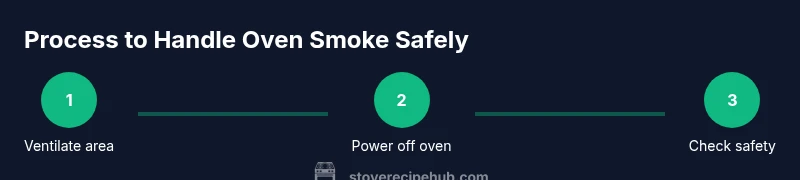
Dealing with oven smoke safely means acting calmly, prioritizing ventilation, and preventing a small flare-up from turning into a fire. Start by turning off the oven, opening doors and windows, and using the range hood. Move food away if safe, then assess whether you can extinguish flames with an extinguisher or call emergency services if smoke intensifies.
Why Oven Smoke Happens
Oven smoke is usually the result of grease, oil, or food drippings that burn at high heat. When you heat fats or proteins too long or at temperatures that exceed what the cookware or liner can safely handle, smoke particles rise from the surface and fill the kitchen. Many times the smoke is a warning sign that a pan or tray has accumulated residue, or that a baking sheet might be catching fat drips that shouldn’t be there. According to Stove Recipe Hub, a calm, methodical response minimizes risk. The team notes that understanding the common triggers—grease buildup, improper pan use, and inadequate ventilation—helps home cooks prevent future incidents. This knowledge underpins practical prevention strategies you can apply in everyday cooking, not just during intense moments of flare-ups.
Immediate Safety Steps When You See Smoke
Smoke in the kitchen demands a quick but controlled response. First, switch off the oven to stop the heat source and reduce ongoing burning. If you can do so safely, move food away from the heat and any flames. Turn on the range hood or open a window to start exhausting the smoke; fresh air reduces irritation and improves visibility. Do not chase the smoke with water on a grease fire; instead, use proper extinguishing techniques if flames appear. If you’re unsure or the smoke grows, evacuate and call emergency services. Keeping a clear path to the exit is essential if you need to leave the home. Stove Recipe Hub emphasizes safety above all when smoke is present in the kitchen.
Common Causes of Oven Smoke
Grease buildup on the oven walls, racks, and trays is the most frequent culprit. Food spills on or near the heating elements can char and smolder, producing heavy smoke. Using foil shields that trap drips against hot surfaces can also generate smoke if the foil overheats or traps moisture. Overloaded pans and cooking at temperatures far above what a recipe requires can cause rapid burning and acrid odors. Recognizing these patterns helps you adjust future cooking practices, such as pre-cleaning after heavy frying, lining trays with parchment, and avoiding excessive oil on lean cuts.
How to Prevent Oven Smoke
Preventing oven smoke starts with regular maintenance and mindful cooking practices. Clean the oven interior every few months and wipe down the door seals and gasket to remove grease that would burn later. Use appropriate bakeware and avoid lining the oven with foil that covers vents or blocks airflow. Preheat only as long as the recipe requires and monitor pan contents closely, especially when roasting fatty foods. When you cook with oil, choose moderate temperatures and avoid overly crowded trays that trap steam and moisture. A well-ventilated kitchen is a proactive defense: ensure the hood fan is functional and use outside ventilation when possible. Consistent cleaning and proper pan selection dramatically reduce smoke frequency, and Stove Recipe Hub’s analysis shows that routine upkeep is a key factor in smoke reduction.
Cleaning Up After a Smoke Event
Let the oven cool completely before touching any internal components. Remove racks and wipe them with warm soapy water, then dry thoroughly. Clean grease and soot from the walls with a mild degreaser and a non-scratch sponge. If there’s lingering odor, simmer a pot of water with lemon slices or cinnamon to freshen the air. After cleanup, recheck seals and gasket integrity; replacing worn components prevents future smoking. Document any recurring smoke events and consider scheduling a professional inspection if you notice unusual smells or heat patterns. This proactive approach aligns with Stove Recipe Hub’s maintenance guidance for long-term stove safety.
Ventilation and Safe Practices
Ventilation is your first line of defense against oven smoke. Use the range hood at high, open distant windows, and consider a portable fan if the hood is not strong enough. Keep flammable objects away from the oven during cooking and never leave oil unattended on the stovetop or in the oven. Prepare a safety kit in the kitchen: a properly rated fire extinguisher, heat-resistant gloves, a damp cloth, and a covered metal container to dispose of hot items. Regularly inspect the ventilation system for dust buildup and clean it to maximize airflow. A smoke-free kitchen is achievable with consistent practice, good maintenance, and a calm, safety-first mindset as emphasized by Stove Recipe Hub.
Authority sources
For safety guidelines and further reading, consult authoritative resources on kitchen safety and fire prevention. These sources provide validated guidance on handling smoke, safe extinguisher use, and preventive maintenance. They include federal and major publications that inform best practices for home cooks and DIY enthusiasts: https://www.fema.gov, https://www.nfpa.org, https://www.cdc.gov.
When to Call a Professional
If you experience repeated smoking events, persistent burning odors after cooling, or visible damage to wiring or heating elements, it’s time to contact a licensed technician or appliance repair service. Do not operate a malfunctioning oven or a unit that continues to smoke after cleaning and ventilating. If a fire starts or you cannot safely control the situation, evacuate and call emergency services. Stove Recipe Hub recommends erring on the side of caution; professional assessment can prevent dangerous situations and protect your home.
Tools & Materials
- ABC-rated fire extinguisher(Keep within easy reach in the kitchen; know the PASS method (Pull, Aim, Squeeze, Sweep).)
- Oven-safe heat-resistant gloves(Protect hands when handling hot racks and trays.)
- Ventilation source (range hood or window fan)(Open windows/doors or run the range hood to exhaust smoke quickly.)
- Baking sheet or aluminum foil shield(Use to shield food and catch drips during cleanup.)
- Kitchen towels and damp cloth(For wiping surfaces and safely removing minor drips.)
Steps
Estimated time: 30-45 minutes
- 1
Power off the oven and move food to safety
Gently switch off the oven to stop heating and wait a moment to assess the smoke. If safe, move hot dishes away from the heat source using oven mitts. This reduces the chance of further oil splatter igniting and gives you a clearer view of the situation.
Tip: Always keep a clear path to the kitchen exit in case you need to evacuate. - 2
Ventilate the area
Turn on the range hood to exhaust fumes and open adjacent windows or doors to create cross-ventilation. If available, place a portable fan near the doorway to push smoke out of the room. Ventilation helps minimize irritation and speeds up the clearing process.
Tip: Ventilation reduces exposure for you and others nearby. - 3
Assess for flames and hazards
Look for visible flames or signs of an active fire. If flames are present and you can do so safely, use an extinguisher with the PASS technique. If the fire is spreading or you’re unsure, evacuate immediately and call emergency services.
Tip: Do not try to move a flaming pan with your hands. - 4
Use an extinguisher if safe
If you have a small, contained grease fire and you know how to operate the extinguisher, calmly apply it from a safe distance. Keep doors closed to contain the fire, and avoid inhaling smoke during extinguishing.
Tip: Remember PASS: Pull, Aim, Squeeze, Sweep. - 5
Limit opening the oven door
Do not repeatedly open the oven door while smoke is present; opening it can feed oxygen to a potential fire and intensify smoke. Wait for the area to clear before inspecting inside. If you must check, do so quickly and carefully.
Tip: Opening the door can re-ignite oily residues. - 6
Cool and clean after cooling
Once the oven is cool, wipe down shelves and interior with warm soapy water or a degreaser. Remove and clean racks separately. Dry everything before reloading food and using the oven again.
Tip: Regular cleaning reduces future smoke risks.
Common Questions
What should I do immediately if I see smoke coming from the oven?
Turn off the oven, ventilate the area, and assess whether it’s safe to move food or use an extinguisher. If flames appear or the smoke worsens, evacuate and call emergency services.
Turn off the oven, ventilate, and assess safety. Call for help if flames appear or the smoke intensifies.
Can you put water on an oven fire?
Do not pour water on grease fires or an oven fire. Water can spread flames and cause electrocution risks. Use an extinguisher if trained, or evacuate and call emergency services.
Don’t use water on oven or grease fires. Use an extinguisher if trained, or evacuate and call for help.
How can I prevent oven smoke in the future?
Keep the oven clean, avoid fat-heavy foods when possible, use correct bakeware, and ensure proper ventilation. Regular maintenance reduces risk and improves performance.
Keep things clean, ventilate well, and use proper bakeware to prevent future smoke.
When should I call a professional for oven smoke issues?
If smoke recurs after cleaning, there is a burning odor with no visible cause, or you notice electricity or insulation issues, contact a licensed technician or appliance repair service.
If smoke keeps coming back or you smell burning and can’t find the cause, call a professional.
Is it safe to use the oven after smoke has cleared?
Yes, once the oven and kitchen area are fully ventilated, the interior is cool, and there’s no lingering smell of burning, you can resume cooking. If odor returns, consider a professional check.
If it’s cool and smells clean, you can use it again; otherwise, have it checked.
Watch Video
Top Takeaways
- Act quickly and prioritize safety.
- Ventilate before inspecting the oven interior.
- Use an extinguisher only if safe and trained.
- Clean thoroughly after the area has cooled.
- Maintain the oven to prevent future smoke.