How to Fix Stove Igniter: A Practical Step-by-Step Guide
Learn how to fix stove igniter with a safe, practical approach. This guide covers symptoms, tools, testing, cleaning, and parts replacement to restore reliable ignition on gas stoves.


By the end of this guide you will know how to fix stove igniter and restore reliable ignition for gas burners. You’ll diagnose common symptoms, gather safety gear, and follow a clear step-by-step process to test the igniter, clean contacts, and replace a faulty part if needed. This hands-on method emphasizes safety and practical troubleshooting.
Why Igniters Fail and How It Impacts Your Stove
Igniters are small, durable devices that spark to light your gas burner. Over time they can wear out, get grease lodged in the electrodes, or suffer moisture intrusion. According to Stove Recipe Hub, common failure modes include worn igniter tips, carbon buildup, loose wiring, and damaged ceramic insulators. When an igniter stops sparking or misfires, you may notice delayed ignition, clicking without a flame, or uneven lighting. Understanding these signs helps you decide whether a cleaning, tightening, or part replacement is needed. In many cases, a simple clean and reseat of connections can restore function without expensive repairs. The goal is to diagnose safely, avoid electrostatic discharge, and verify ignition across all burners. A well-maintained igniter improves cooking reliability and reduces fuel waste, which matters for both home cooks and DIY enthusiasts.
Safety First: Precautions Before You Start
Before you touch any gas appliance, ensure the area is well-ventilated and completely powered down. Turn off the gas supply to the affected burner and unplug the stove or switch off the circuit breaker. Let the burner cool fully before disassembly. Wear eye protection and gloves, keep a fire extinguisher handy, and avoid wearing loose clothing that could catch on moving parts. The Stove Recipe Hub Team emphasizes never attempting electrical work on a live circuit. If you smell gas or hear hissing, exit the area and contact emergency services. These steps reduce risk and keep your family safe while you troubleshoot.
Tools, Parts, and Prep You'll Need
Gather a few common tools and replacement parts so you’re prepared. You’ll want a Phillips head screwdriver, a flathead driver, a multimeter or non-contact voltage tester, isopropyl alcohol, clean lint-free cloths, dish soap, and a replacement igniter kit compatible with your stove model. Some models require a specific ceramic ignition element or a spark module; check the label on the burner base to order the correct part. Having a camera or notes handy helps you document wiring layouts for reassembly. Also consider a small container to keep screws organized and a non-conductive grease if your model calls for it.
Diagnosing the Igniter: Signs of a Fault and How to Confirm
Identify symptoms: consistent clicking without a light, intermittent sparks, or spark at the wrong electrode. Use a non-contact tester to verify voltage at the igniter connector when attempting to ignite. If you see voltage but no spark, the issue is typically the igniter element or carbon buildup. If you hear no voltage, it’s likely a wiring or control board problem. Inspect the ceramic insulation for cracks and the metal electrodes for buildup or corrosion. Carefully reseat any loose connectors and wipe the surface with alcohol to remove oil or residue that can dampen the spark.
Cleaning, Testing, and Replacing: A Practical Approach
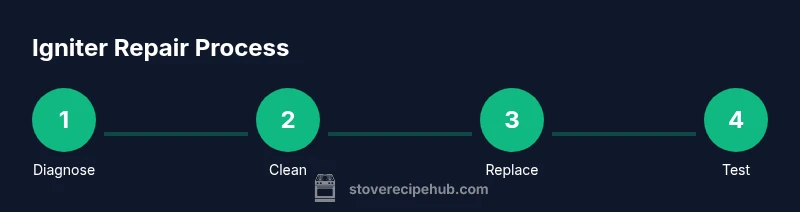
Start with a thorough cleaning of the igniter tip and sensing rod using isopropyl alcohol and a soft cloth. Avoid touching the tip with bare fingers, since oils transfer can inhibit sparking. Re-seat the burner cap, then re-connect power and test the spark. If the igniter still does not spark, replace the ignition assembly using a kit designed for your model. When replacing, verify the wiring order and avoid stressing cables. After installation, test multiple ignition attempts to confirm reliability across all burners. If you’re unsure, consult the model’s service manual or a professional.
Maintenance Habits to Extend Igniter Life
Regular maintenance reduces failures: wipe away cooking grease from the burner area after use, inspect wires for wear, and keep the area dry. Schedule periodic checks and consider cleaning the spark electrode every few months. Use a non-conductive dielectric grease where applicable to protect connections, and avoid introducing moisture into electrical components. Keeping the control panel clean also avoids corrosion on terminals. These practices help you avoid emergency repairs and keep your stove performing steadily.
Stove Recipe Hub Verdict: Practical Guidance You Can Trust
The Stove Recipe Hub Team recommends starting with a careful cleaning and wiring check for most ignition issues. If the igniter is visibly damaged or replacement is required, install the correct kit for your model and re-test. Consistent ignition improves cooking reliability and safety in everyday meal prep. For ongoing concerns, seek professional service to diagnose potential control board or gas-supply problems.
Authority Sources
To support safe, effective work on stove igniters, refer to authoritative guidelines from safety and standards organizations. Examples include OSHA for general electrical safety, NFPA for gas appliance safety standards, and the CPSC for consumer product safety considerations. Always cross-check manufacturer service manuals for model-specific instructions before attempting repairs.
Tools & Materials
- Safety gear (gloves and eye protection)(Non-slip gloves; avoid loose fabrics near moving parts)
- Phillips head screwdriver(To remove burner screws securing the igniter assembly)
- Flathead screwdriver(May be needed to pry covers or connectors gently)
- Multimeter or non-contact voltage tester(Test for voltage at igniter wiring during checks)
- Isopropyl alcohol (70%)(Clean igniter tip and contact surfaces)
- Lint-free cloths(Use lint-free items to avoid fibers in the ignition path)
- Dish soap(Gentle cleaning agent for grease from burner area)
- Replacement igniter kit (model-specific)(Order by your stove model to ensure proper fit)
- Electrical tape or non-conductive grease(Seal connections and protect against moisture where applicable)
Steps
Estimated time: 30-60 minutes
- 1
Power down and prep
Turn off the stove at the control panel and unplug the unit or switch off the circuit breaker. If you’re testing a gas burner, close the gas supply valve for extra safety. Let the surface cool completely before touching any components.
Tip: Always start with safety—gas should be off and power disconnected to avoid sparks during handling. - 2
Access the igniter
Remove the burner cap and grate to expose the igniter and wiring. Note the orientation of wires and screws; taking a quick photo helps during reassembly. If you see loose connectors, gently reseat them.
Tip: Use a magnetic tray or small container to keep screws organized. - 3
Test for power and continuity
With the stove still disconnected from power, use a multimeter to check continuity of the igniter circuit. If voltage appears at the connector but there’s no spark, the igniter element or electrode is likely damaged or dirty.
Tip: Do not touch the igniter tip during testing—oil from fingers can impede sparks. - 4
Clean the igniter tip and connections
Dip a lint-free cloth in isopropyl alcohol and gently wipe the igniter tip and sensing rod. Avoid bending or sanding the tip. Re-seat any connectors that looked loose and wipe away built-up grease from the burner area.
Tip: Keep the tip dry and avoid harsh solvents that could degrade ceramic components. - 5
Replace if damaged
If cleaning does not restore ignition, replace the igniter using the manufacturer’s kit. Follow the model-specific wiring diagram and ensure all screws are tightened to prevent vibration.
Tip: Verify compatibility; using an incorrect kit can lead to poor ignition or safety hazards. - 6
Reassemble and test
Reattach the burner cap and grate, restore power, and attempt ignition. Test several times to confirm consistent sparks and lighting across all burners. If ignition remains unreliable, consider professional service.
Tip: Test on a dry surface and in a well-ventilated area to observe sparks clearly.
Common Questions
What are the most common signs that my stove igniter needs attention?
Common signs include persistent clicking without a flame, no visible spark, or a spark that jumps to the wrong electrode. Visible damage to the igniter or ceramic insulator is also a clear signal to inspect or replace.
Signs are persistent clicking without light, no spark, or visible damage to the igniter.
Can I fix a stove igniter myself?
Yes, many igniter issues can be resolved with cleaning and careful reconnection. More complex problems, such as damaged igniter elements or control boards, may require replacement or professional service.
You can often fix simple issues yourself, but replace damaged parts or if you’re unsure, consult a pro.
How long should an igniter last?
Igniters typically last several years under normal use. If you notice frequent failures despite cleaning and checks, it’s a sign to replace the component.
Igniters last several years; replace if they fail repeatedly after cleaning.
Is it safe to clean an igniter while the stove is still warm?
No. Always ensure the stove is completely cool before cleaning igniter components to avoid burns and electrical hazards.
No, wait until the stove is cool before cleaning.
When should I replace rather than repair?
If the igniter shows visible damage, cracks in ceramic, or no improvement after cleaning, replacement is recommended.
If it’s damaged or keeps failing after cleaning, replace it.
Do I need a professional to fix a broken igniter?
If you’re uncomfortable working with gas lines or electrical components, or if the problem seems to involve the control board, hire a professional.
If you’re unsure, it’s best to call a professional.
Watch Video
Top Takeaways
- Power down and verify gas off before starting.
- Clean as a first step before replacing parts.
- Replace damaged igniters with model-specific kits.
- Test ignition across all burners to ensure reliability.
- Regular maintenance reduces future failures.