How to Light a Gas Stove During a Power Outage: Safety Guide
A practical, safety-first guide for lighting a gas stove when the power is out, with ignition methods, ventilation tips, troubleshooting, and post-outage checks for home cooks.


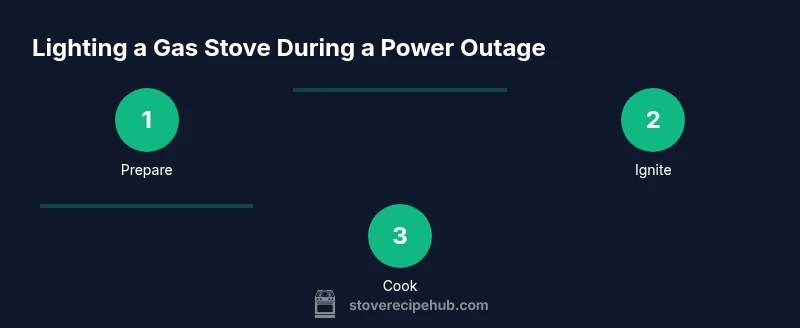
To light a gas stove when power is out, use a long lighter or match to ignite the burner while turning the knob slowly. Check for gas odor and ensure ventilation. Keep your hands away from the flame, and use the end of the lighter for safety. If ignition fails, wait a moment and retry with a fresh match.
How power outages change the lighting process
When the lights go out, your gas stove can still be a reliable ally in the kitchen. If you’re wondering how to light gas stove when power is out, the answer lies in shifting from electric igniters to a manual flame source. Before you attempt ignition, take a moment to assess the room and the stove. Ensure there is good ventilation to prevent gas buildup and minimize exposure to any lingering fumes. Locate the ignition source (a long lighter or sturdy matches), and confirm there are no gas odors or hissing around the burners. Safety is the first step; if you smell gas, evacuate immediately and call your gas utility from a safe location. Once you’re confident the area is safe, you can prepare your stove for manual ignition and continue cooking with confidence. According to Stove Recipe Hub, safety-first guidance shapes every step of manual ignition on a gas stove during power outages. The Stove Recipe Hub team found that most outages can be managed with careful ventilation and a steady ignition approach.
Safety first: risks and protective measures
Power outages can coincide with natural gas stoves being lit by manual ignition, which introduces risks if gas accumulates or ignition sources fail. The risk of a gas leak or flash fire exists if you attempt lighting near an undetected leak, or if you delay turning the knob and the gas fronts release. Always check for the absence of a strong gas odor before approaching the burner, and never create a flame near a potential gas leak. In addition, avoid using the oven as a source of ignition; it presents a different risk profile and is not designed for quick lighting. Ensure you have a clear, well-ventilated area. If you notice hissing sounds, or you smell gas, evacuate and call the utility service. With careful attention to these precautions, you can reduce the risk of accidents during outage lighting.
Tools and environment you’ll rely on
Before you begin, gather the essential ignition tools and ensure your kitchen is prepared. A long-reach lighter is the safest ignition source for manual lighting, followed by sturdy matches as a backup. Keep a bright flashlight handy for visibility in dim conditions, and position a window or door to provide ventilation while you work. Clear the area of combustibles and make sure the pot and pan are ready for use. While not an instrument, having a charged phone may help you contact help in an emergency. Always ensure you have dry hands and a dry surface to work on, and consider wearing non-slip footwear for stability.
Ignition methods and safe practice
Different homes may use matches or long lighters; whichever you choose, the method remains the same: you ignite the burner with a stable flame while turning the knob to the light position. With a match, strike and extend your arm away from your body; with a lighter, position it at the side of the burner head. Keep your face and hands away from the flame, and ensure your clothing is secure. Lightly hold the flame to the burner until gas lights, then adjust the flame using the knob; a low, steady flame is best for simmering. If you switch to a simmer, avoid lifting the pot too high; and do not leave the flame unattended while cooking. If ignition fails, wait 5-10 seconds before trying again and rotate to another burner if available.
Troubleshooting common ignition problems
If the burner refuses to ignite, there are a few common culprits. The burner cap might be misaligned, blocking gas flow; the knob may not be fully turned to the light position; or the burner ports could be clogged with grease. Clean the burner ports with a soft brush after turning off gas and ensure nothing is obstructing the gas flow before trying again. If you smell gas, immediately evacuate and call your gas utility; never ignite a flame or use electrical switches in the area. If repeated attempts fail, give the system a brief rest and try again with a fresh ignition source later. In emergencies, you may relocate to a safe, lit room and resume once the gas is on and you can safely re-enter.
After ignition: safe cooking and shut-off protocols
Once the flame is lit, monitor it closely and adjust to the desired heat setting. Keep the flame underneath your cookware and avoid leaving metal utensils near the flame. Never leave a burner unattended with the flame on, especially when cooking with oils that can ignite quickly. When you finish, turn the knob to the off position and listen for the burner to go out. If you suspect the gas is still flowing after you turned it off, vacate the area and call your utility. Returning to the kitchen after the system pressurizes ensures you’re cooking safely without unwanted leaks. The goal is consistent heat and steady ventilation while you prepare your meal.
Common mistakes to avoid during outages
Avoid relying on candles or candles for lighting the stove, which can increase fire risk. Do not use the oven or broiler to light a burner; their ignition procedures differ and can cause dangerous gas buildup. Do not lean over the burner or put your face near the flame, and avoid wearing long sleeves that could catch fire. Do not block the burner with pots or pans and never use metal objects to strike matches near gas lines. Keep the area well-ventilated and keep children and pets away from the stove until you’re finished.
Maintenance and checks after power returns
After power is restored, give your stove a quick safety check to ensure everything is functioning properly. Wipe away any residues, inspect the burner ports for clogs, and confirm that all knobs turn smoothly. If you notice any irregular flame or unusual odor after the outage, contact a professional service for a diagnostic check. Regular cleaning and inspection can help you stay prepared for the next power event and extend the life of your stove. The goal is to resume normal cooking with confidence and safety.
Tools & Materials
- Long-reach lighter(12 inches or longer; keep fuel fresh and dry)
- Sturdy matches (backup)(Waterproof container preferred; strike-away from face)
- Flashlight(Bright beam; extra batteries advised)
- Ventilation option(Open a window/door to ensure airflow while lighting)
- Phone with emergency numbers(Have a quick call list in case of gas issue)
Steps
Estimated time: 10-15 minutes
- 1
Gather safety supplies and assess area
Collect your long lighter or matches and a flashlight. Look the kitchen over and confirm there are no obvious gas smells or leaks. Clear a safe path to the stove and ensure children and pets are away.
Tip: Having everything within reach reduces the chance of accidental flame exposure. - 2
Open ventilation and protect yourself
Open a window or door a crack to ventilate. Stand upright, keep hair and sleeves away from the flame, and wear closed-toe shoes. If you have a smoke detector, ensure it won’t trigger unnecessarily during lighting.
Tip: Ventilation helps disperse any gas fumes quickly. - 3
Position ignition source near burner
Hold the lighter or strike a match at the side of the burner head, not above it, to avoid catching clothing. Keep your hand to the side to minimize burn risk.
Tip: Do not lean directly over the burner when lighting. - 4
Turn knob to light and ignite
As you turn the burner knob to the light position, bring the flame to the gas port. If you’re using a match, light it first and bring it to flame level with the burner. For a lighter, trigger just after gas begins to flow.
Tip: Do not rush; a steady, controlled flame yields a safer ignition. - 5
Confirm ignition and adjust flame
Once the burner ignites, watch for a steady blue flame. If it flickers or goes out, wait 5-10 seconds and try again with a fresh ignition source. Adjust the knob to set a low, steady flame for simmering.
Tip: A consistent flame reduces oil splatter and cooking hazards. - 6
Cook safely or switch burners
Place your pot on the burner once the flame is stable. Don’t leave the flame unattended while cooking, especially with hot oils. If more than one burner is needed, repeat ignition steps for other burners as required.
Tip: Always prioritize flame stability before placing cookware. - 7
Turn off gas after use
When you finish cooking, turn the knob to off and listen for the sound of the flame going out. If you smell gas after turning it off, evacuate and contact your gas utility.
Tip: Ensure the flame has fully extinguished before leaving the kitchen. - 8
Evaluate post-outage safety
Take a moment to check burner cleanliness and ensure all components reset properly for the next use. Store ignition tools in a dry, accessible place for the next outage.
Tip: Regular maintenance reduces ignition failure risk later.
Common Questions
Is it safe to light a gas stove during a power outage?
Yes, it is generally safe if you follow proper safety steps: check for gas odor, ventilate the area, and use a long ignition source with steady flame. Do not ignite near leaks or with open flames near gas lines.
Yes, it’s safe if you check for gas odor and ventilate, then use a long ignition source with a steady flame.
What should I do if the burner won't ignite after multiple attempts?
If the burner refuses to ignite after several tries, stop and wait a few seconds. Check that the burner cap is properly seated, ports aren’t blocked, and the knob is fully in the light position. If it still won’t ignite, avoid forcing the flame and consider contacting your gas utility.
If it won’t ignite after a few tries, wait a moment, check the gas cap, and if needed call for help.
Can I use a candle to light the stove?
No. Using a candle introduces unnecessary fire risk and unpredictable flame behavior. Always use a purpose-built ignition source like a long lighter or matches.
No—avoid candles; use a long lighter or matches instead.
Why do some gas stoves have electric igniters?
Electric igniters provide quick, automatic lighting for convenience. When power is out, you revert to manual ignition using a lighter or matches.
Electric igniters are convenient, but during a power outage you switch to manual ignition.
What if I smell gas after attempting to ignite?
If you smell gas, evacuate immediately and call your gas utility or emergency services. Do not operate switches or create flames during a suspected leak.
If you smell gas, leave the area and call the gas utility right away.
Should I leave the kitchen unattended while lighting?
No. Keep an eye on the flame throughout ignition and cooking. Unattended flames can lead to fires or gas buildup in misaligned burners.
Stay with the flame during ignition and cooking.
Watch Video
Top Takeaways
- Prepare the area with ventilation and safety checks.
- Use a long ignition source and turn knobs slowly.
- Ignite only when you can see a steady flame.
- Never rely on candles or the oven to light a burner.
- Turn off gas safely and recheck the area after cooking.