How to Light a Gas Stove with a Lighter: Safe Steps
Learn the safest way to light a gas stove using a lighter. This guide covers prep, the right lighter, step-by-step lighting, troubleshooting, and post-use safety for home cooks.


You will learn the safest way to light a gas stove with a lighter. Before you start, confirm there are no gas odors and that the area is well ventilated. You’ll choose a long-reach lighter, follow a step-by-step lighting process, and learn essential safety tips and common mistakes to avoid.
Why learning how to light gas stove with lighter matters
If you’re a home cook who relies on a gas stove, knowing how to light it safely with a lighter is a foundational skill. The process is simple, but it carries real risk if misperformed. According to Stove Recipe Hub, using a long-reach lighter properly reduces exposure to open flame and minimizes the chance of accidental flare-ups. This section outlines why mastering this technique matters, how it fits into everyday cooking, and the contrast between older matches and modern lighters. You’ll gain confidence by understanding the core concepts: a clear starting area, the right lighter, and a steady, patient approach. For new cooks, this knowledge builds safety habits that last a lifetime and aligns with best practices in stove-top technique that Stove Recipe Hub champions.
Safety first: essential checks before lighting
Before you attempt to light the burner, perform quick safety checks. Ensure you can smell no gas anywhere nearby. If you do detect gas, do not ignite the burner – evacuate, ventilate, and call your local gas emergency line. Clear the area of flammable materials, loose clothing, and long sleeves that could brush the flame. Open a nearby window or turn on an exhaust fan to improve ventilation. Have a clean, dry workspace and keep a small cloth handy to wipe any spills. Understanding these checks is crucial because they prevent dangerous situations and set the stage for a smooth lighting process.
Equipment and setup: choosing the right lighter and prep
The simplest way to light a gas stove safely is with a long-reach lighter. A lighter at least 8 inches long helps you keep your hand away from the flame. If you don't have one, consider a kitchen-safe long-reach lighter designed for high heat. Before lighting, clear crumbs or grease from the burner area and ensure the pan is off its burner, so no heat is transferred unintentionally. Keep the lighter away from heat sources when not in use and never leave it unattended near the stove. This setup reduces risk and makes the ignition smoother.
Lighting process overview: a steady, safe approach
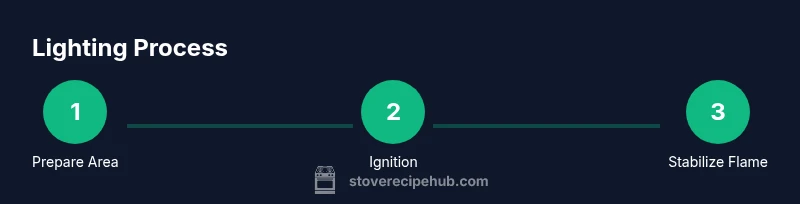
The act of lighting a burner is a small, controlled event. The typical flow is to turn the knob to the light position, confirm the flame is ready, and ignite with the lighter from a safe distance. If your stove has an automatic ignition, use it as the primary method, but understand how to fall back to a lighter if the system fails. The goal is a stable, even flame without hesitation or frayed movements. Always maintain a clear line of sight to the burner and avoid leaning over the flame. This step-by-step overview helps you anticipate each action and maintain calm under pressure.
Troubleshooting: what to do if ignition fails
If the burner does not ignite after a few seconds, stop, turn the knob off, and wait a moment for gas to disburse. Reassess the area for odors or leaks, recheck the lighter’s fuel status, and try again with a fresh article of gas. If repeated attempts fail, suspect a faulty burner or ragged seals and consider calling a professional. Do not press the lighter too close to the burner, and never force the flame. Patience and methodical checks reduce risk and protect your kitchen.
Aftercare: turning off safely and cleaning up
Once the burner is lit and flame is stable, adjust to the desired height by turning the knob. Avoid leaving the lighter near the flame; extinguish any residual fuel and store the lighter away from heat. Wipe the burner area to remove any spilled grease, and inspect the burner ports for obstructions that could affect flame quality. Proper aftercare keeps your stove reliable and reduces the chance of future ignition trouble.
Alternatives and when to avoid the lighter method
Many stoves offer an automatic ignition that can simplify lighting. If your stove has one, use it as the primary method and reserve the lighter as a backup. If you have a gas smell, a broken knob, or a malfunctioning ignition system, avoid lighting with a lighter and call a technician. Matches are an alternative in some kitchens, but they pose a greater risk due to proximity to your hand and face; long-reach lighters are generally safer and more controlled for this task.
Routine safety and maintenance tips for frequent cooks
Regular maintenance reduces ignition issues. Clean the burner heads and ports to prevent clogs, inspect the knob and surface for wear, and ensure your ventilation is functioning properly. When you clean, unplug the area, let everything cool, and wipe with a damp cloth. Establish a routine to check for odors and test the ignition monthly so you stay ahead of potential problems. These practices align with best-practice guidance from Stove Recipe Hub and contribute to safer, more predictable stove-top cooking.
Tools & Materials
- long-reach gas lighter(At least 8 inches long; butane-fueled is common; keep away from children)
- clean, dry cloth(Use for quick wipe-downs and spillage cleanup)
- ventilation(Open a window or run a vent fan if available)
- rugged work area(Clear space around burner; remove flammables nearby)
Steps
Estimated time: 10-15 minutes
- 1
Position yourself and inspect the area
Stand to the side of the burner and make sure the area around it is clear. Check for loose clothing or sleeves that could catch fire. If you notice a gas smell, do not attempt ignition and seek professional help.
Tip: Keep your body and face at a safe distance from the burner before igniting. - 2
Turn knob to the light position
Rotate the burner knob to the 'light' or 'on' position, depending on your model. If your stove has a push-button start, press it while keeping your hand clear of the flame path.
Tip: If you don’t hear a click or feel no resistance, stop and inspect the ignition system. - 3
Ignite with the long-reach lighter
From a safe distance, place the lighter near the burner ports and press or flick to ignite. Wait a moment to confirm the flame appears and is stable.
Tip: Keep your free hand and arm away from the flame’s expected path. - 4
Adjust the flame to the desired level
Once lit, adjust the flame height by turning the knob to the appropriate setting for your cooking task. If the flame goes out, turn off the knob, wait, and reattempt with a fresh ignition.
Tip: A properly lit burner should have a steady blue flame; a yellow or flickering flame indicates an issue. - 5
Test the burner for ignition reliability
Lightly reposition and test another burner if needed to ensure the area is functioning correctly. Confirm uniform flame distribution around the pan base.
Tip: Watch for any gas smell or unusual noises during testing. - 6
Cool-down and cleanup
After cooking, turn the knob to off and let the burner cool before wiping around the ports with a dry cloth. Store the lighter in a safe place away from heat.
Tip: Always clean while surfaces are cool to avoid burns.
Common Questions
Is it safe to light a gas stove with a lighter?
Yes, it can be safe if you follow proper safety steps: check for gas odor, use a long-reach lighter, and keep your body away from the flame. If you smell gas at any point, stop and seek help.
Yes, it can be safe if you follow safety steps like checking for gas odor and using a long-reach lighter.
What should I do if the burner won’t ignite after several attempts?
Turn the knob off, wait briefly for gas to disperse, then reattempt with a fresh lighter. If it still fails, inspect for burner blockages or a faulty ignition system.
If it won’t ignite after several tries, turn off, wait, and try again. If it still won’t light, check for blockages or call a professional.
Can I use matches instead of a lighter?
Matches can work, but they are riskier because they bring your hand close to the flame. A long-reach lighter is generally safer and more controlled for this task.
Matches can work, but a long-reach lighter is safer and more controlled.
Why is there a gas smell after attempting to light?
A lingering gas smell suggests a possible leak or closed valve; evacuate, ventilate, and contact your gas provider or emergency services if the smell persists.
A gas smell means a potential leak; evacuate and call for help if it continues.
What if my stove has auto-ignition and it fails?
If auto-ignition fails, use the manual lighter as a backup and arrange a service check if failures recur. Do not force the ignition repeatedly.
If auto-ignition fails, use the backup lighter and get service if it happens often.
How often should I clean burner ports?
Clean burner ports regularly to prevent clogs. Wipe away grease after cooking and inspect ports for obstructions during routine maintenance.
Clean the burner ports regularly to prevent clogs and keep flames even.
Watch Video
Top Takeaways
- Use a long-reach lighter for safety
- Check for gas odor before lighting
- Keep flammables away from the stove
- If ignition fails, stop and assess rather than forcing ignition
- Regular maintenance reduces ignition problems