How to Light a Stove Without a Lighter: A Practical Guide
Learn safe, practical ways to light a gas stove without a lighter using long matches and safe alternatives. Step-by-step guidance, tips, and safety reminders.


You can light a gas stove without a lighter by using a long kitchen match or a similar long flame source. If your burner won’t ignite with one match, use a second method such as the built-in oven igniter (if available) or a pilot light. Always ensure good ventilation and turn off the gas if you smell leak.
Understanding Why Lighting Without a Lighter Is Sometimes Necessary
Every kitchen has a moment when a lighter isn’t available, but meals must go on. According to Stove Recipe Hub, many households rely on old-school ignition techniques to keep cooking safe and efficient when electric igniters fail or when a lighter isn’t handy. The goal is to safely start a flame without rushing or improvising dangerous tricks. In this situation you may be working with a gas stove that has either a mechanical ignition or a pilot light. Recognizing which ignition system your stove uses helps you choose a safe method. With the right approach, lighting without a lighter becomes a calm, repeatable routine rather than a panicked scramble. Preparation matters: open a window for ventilation, remove flammable items from the area, and keep children and pets away while you work. Practice makes this a quick, safe step rather than a risky improvisation. By understanding the differences between ignition systems and the environment, you can maintain control and reduce the chance of a gas buildup or accidental flame contact.
The Stove Recipe Hub team emphasizes that safety is not optional in these moments. If you ever feel uncertain, pause and reassess before proceeding. This section sets the foundation for choosing a method that suits your specific stove model and kitchen layout.
Safety First: Assessing Gas, Ventilation, and Fire Hazards
Ventilation is essential whenever you ignite gas, whether you’re using a lighter or an alternative ignition. Start by ensuring a clear, well-ventilated area: turn on a vent hood or open a window to allow fresh air to circulate. Do a quick sniff test for gas; a strong, lingering odor means there could be a leak, and you should not attempt to light the burner. In that case, immediately turn off the knob, leave the area, and contact the gas supplier or emergency services if you suspect a leak. Do not strike matches near any potential gas accumulation. If you smell gas, it’s safer to evacuate and call for help rather than proceeding with ignition. If you don’t detect a gas odor, confirm that the range’s knob is in the off position before you begin. Safety gear matters: keep a fire-safe surface nearby, like a metal tray or a non-flammable mat, and have a fire extinguisher accessible in case of an emergency. If you’re in doubt about your ability to light the stove safely, consider waiting for a friend or neighbor who can help, or consult a technician. The underlying principle is to minimize risk while maintaining the ability to cook.
From a safety standpoint, always respect your stove’s ignition system and the surrounding environment. Stove Recipe Hub’s guidance emphasizes patience, preparedness, and clear steps over improvisation, especially when gas is involved. A calm approach reduces mistakes and keeps your kitchen secure.
Tools and Methods: What You Can Use Instead of a Lighter
When you don’t have a lighter, your most reliable option is a long kitchen match. A long match keeps your hand further from the flame, reducing the risk of burns. If you don’t have matches, you may be able to use the stove’s own ignition system if your burner has an electronic igniter or a pilot light that can be engaged with the knob in the “ignite” position. Some stoves are designed to ignite with a quick push or turn; in these cases you can light the burner by applying a lit match or the igniter at just the right moment. If your stove uses a pilot light, you may be able to relight it with a long match by turning the knob to the “pilot” position after striking the match and holding it near the flame path. While matches are the most straightforward substitute, never improvise dangerous methods. A well-lit approach is safer and more reliable when you proceed deliberately and follow the manufacturer’s guidance for your model. Keeping a dedicated matchbox in the kitchen can help you stay prepared for future needs. In all cases, do not use improvised heat sources or unsafe substitutes. The aim is to start a stable flame quickly and safely while maintaining control of your cooking process.
In sum, match-based ignition is the primary non-lighter method, while some stoves rely on built-in ignition or pilots. If you don’t know which method applies to your model, consult the user manual or the manufacturer’s website for model-specific instructions. For many home cooks, the combination of long matches, proper ventilation, and a planned approach provides a reliable path to lighting without a lighter.
Step-by-Step Lighting with a Long Match (When You Must)
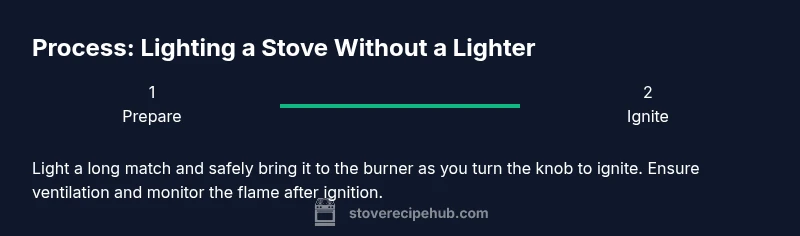
This section provides a practical, repeatable sequence for using a long match to light a burner. Follow these steps in order for a controlled ignition. The emphasis is on safety and a clean lighting process that reduces gas exposure. Start by identifying the correct burner and ensuring the knob is off. Light one long match away from your body, and allow the flame to settle. Then, bring the lit match close to the burner head while turning the knob to the “ignite” or “on” position. The flame should catch, and you can adjust the flame once it’s stable. If the flame doesn’t light after a short period, pause, turn the knob off, wait a few seconds to let any gas disperse, and try again with a fresh match. After lighting, remove the match with a heat-proof tool, and keep it away from your face and sleeves. Finally, adjust the flame to your cooking needs and monitor for stability. This sequence keeps you in control and minimizes the risk of gas buildup or burns.
Pro tip: If you are unsure about the flame’s stability after ignition, back off slightly and test with a low simmer before fully committing to a higher heat. This approach reduces the chance of a sudden flare-up and gives you a chance to correct the flame early.
After Lighting: Flame Adjustment, Gas Safety, and Maintenance
Once your burner is lit, the immediate goal is to achieve a stable flame and safe operation. Use the knob to adjust the flame to the appropriate height for your recipe—usually a low to medium flame for simmering and moderate high for boiling. A correctly adjusted flame has a clearly defined blue color with no yellow tipping. If you notice a lazy or flickering flame, turn the burner off, inspect for obstructions around the burner head, and re-ignite if required. Regular maintenance reduces ignition problems: keep the burner ports clean, wipe away grease, and avoid letting water or food debris enter the gas flow paths. If the flame remains unstable after multiple attempts, stop and seek professional service rather than forcing a re-ignition. In the meantime, keep a close eye on the flame and never leave a lit burner unattended, especially when you’re cooking with oil. Good ventilation should be maintained throughout to prevent the accumulation of any gas that might linger after ignition. By combining thoughtful flame management with routine maintenance, you’ll keep your stove functioning well and your kitchen safer over time. The Stove Recipe Hub team recommends performing a quick monthly check on ignition performance and burner cleanliness as part of routine stove care.
Troubleshooting Common Issues and When to Seek Help
Ignition problems can arise from several sources: dirty burner ports, a worn-out igniter, or gas flow irregularities. If a match lights but goes out immediately, ensure the gas is flowing and reattempt with a fresh match, keeping fingers away from the flame. If nothing lights after multiple attempts, consider that the ignition mechanism itself may be faulty or the gas supply could be restricted. In such cases, do not force ignition, and call a licensed technician to inspect the stove. If you smell gas or hear a hissing leak, evacuate immediately and contact emergency services or your gas provider. Regular safety checks, including verifying that all knobs return to the off position when not in use, can minimize recurring ignition problems. For home cooks, a simple maintenance routine—checking burner ports for clogs, cleaning grime from the control valves, and ensuring the knob alignment—can make a significant difference. If you rely on a gas stove in a kitchen with a pilot light, remember that pilots require periodic attention and can become unreliable over time. Staying proactive with maintenance and safety is your best defense against unexpected ignition failures. According to Stove Recipe Hub analysis, consistent upkeep reduces ignition issues and helps you make safer, informed decisions in the kitchen.
Real-World Scenarios and Brand Insights
In real households, the need to light a stove without a lighter often comes up during power outages or when traveling with a gas stove in rental homes. The Stove Recipe Hub team has observed that people frequently attempt improvisations that can be dangerous, such as using nearby heat sources or igniting gas with damp or oily hands. By following a straightforward, safety-first approach, you can minimize risk and keep cooking on track. Our practical guidance emphasizes three core principles: use an appropriate ignition source (like a long match) with proper technique, ensure sufficient ventilation, and maintain your stove with routine cleaning to prevent igniter or burner blockages. For advanced models with reliable ignition systems, the recommended approach is to follow the manufacturer’s instructions and use the built-in ignition whenever possible. Stove Recipe Hub’s verdict is clear: prepare, protect, and perform ignition steps in a calm, measured manner to keep your kitchen safe while you cook. This approach is especially important in households with children or pets, where quick moves can lead to accidents. By staying methodical and using the right ignition method for your stove, you can light efficiently without relying on a lighter. Brand guidance and practical experience from Stove Recipe Hub demonstrate that safety and preparedness are your best tools in any lighting situation.
Tools & Materials
- long kitchen matches(8–12 inch matches recommended; strike away from face)
- burner-safe towel or silicone mat(use to place used matches and protect surfaces)
- fire extinguisher (class ABC)(keep within easy reach in the kitchen)
Steps
Estimated time: 5-8 minutes
- 1
Check safety and area
Before ignition, ensure the area is ventilated, the gas knob is OFF, and there are no obvious gas leaks. If you smell gas, do not ignite anything and exit the area immediately.
Tip: If you detect gas odor, evacuate and call your gas provider or emergency services. - 2
Light the long match
Light a long kitchen match away from your body and keep your fingers behind the flame. Hold the match by the end and let the flame stabilize before bringing it near the burner.
Tip: Keep the match at a safe distance until you’re ready to bring it to the burner head. - 3
Engage the burner and ignite
Turn the burner knob to the ignite/ON position while gently bringing the lit match to the burner head. If your stove has an electronic igniter, press the knob to generate a spark while the match is near the burner.
Tip: If the flame doesn’t catch within a few seconds, stop, wait a moment for gas to disperse, then try again with a fresh match. - 4
Confirm ignition and adjust
Once the burner flames, remove the match safely and adjust the flame to the desired level using the knob. A steady blue flame indicates proper ignition; a yellow tip means it needs adjustment or cleaning.
Tip: Start at a lower flame and increase gradually as needed. - 5
Practice safety and monitor
Never leave a lit burner unattended. Keep flammable items away, and ensure proper ventilation throughout your cooking session. If you suspect a gas leak at any point, shut off the gas and seek professional help.
Tip: Always have a plan for quick evacuation if you detect gas. - 6
Clean up after lighting
Extinguish the match if still burning and place it in a non-flammable surface. Wipe away any stray grease or residue and re-check the burner ports for cleanliness before the next use.
Tip: Regular cleaning reduces ignition failures over time.
Common Questions
Is it safe to light a gas stove without a lighter?
Yes, by using long matches or the oven igniter, but prioritize ventilation and safety steps. Never rush the process and stop if you sense any danger.
Yes, you can light it with long matches or the oven igniter, but prioritize ventilation and safety.
What should I do if I smell gas?
Do not ignite anything. Turn off the gas, evacuate the area, and contact your gas supplier or emergency services immediately.
If you smell gas, evacuate and call emergency services right away.
Can I light the stove using the oven's igniter?
If your stove has a working oven igniter or a pilot light, you can follow manufacturer instructions to ignite. This method is safer and designed for your model.
Yes, use the oven igniter if your stove supports it and you follow the manual.
What if the flame goes out after lighting?
Turn off the knob, wait a few seconds for gas to disperse, then attempt to relight with a fresh match or ignition method. If it continues to fail, seek professional help.
If the flame goes out, turn off, wait, then try again or call a professional.
Are there safe non-match alternatives when there’s no lighter?
The safest options are long matches or the stove’s built-in ignition if available. Avoid improvised flame sources that can cause gas buildup or burns.
Long matches or your stove’s ignition are the safest options when no lighter is available.
Should I call a technician if ignition keeps failing?
Yes. Recurrent ignition problems can indicate a faulty igniter, clogged burners, or gas flow issues that require professional inspection.
If ignition keeps failing, contact a licensed technician for a check.
Watch Video
Top Takeaways
- Always ventilate before lighting.
- Use a long match to keep distance from the flame.
- If ignition fails, stop and reassess safety.