How to on stove gas: Safe, Step-by-Step Guide
Learn how to operate a gas stove safely with clear lighting, flame control, and maintenance steps. This guide covers ventilation, leak testing, proper cooking techniques, and emergency precautions for confident stove-top cooking.


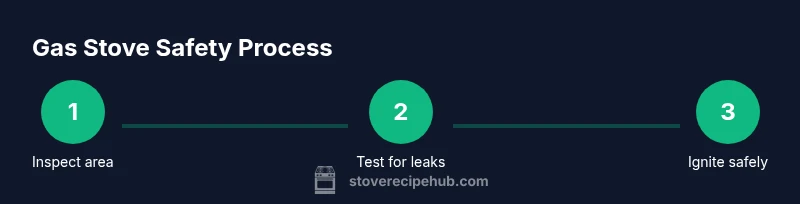
On a gas stove, you can cook safely by following proper lighting, flame control, and ventilation. According to Stove Recipe Hub, this guide shows how to on stove gas with practical steps: inspect your area, test for leaks, ignite correctly, adjust flame, and turn off after cooking. Throughout, you’ll learn best practices for safe operation, maintenance, and emergency preparedness, so you can enjoy reliable stove-top cooking with confidence.
Safety First: Understanding gas stoves and ventilation
Gas stoves burn natural gas or propane to create heat for cooking. Safe operation starts with a well-ventilated kitchen, a clear workspace, and awareness of potential gas hazards. Open a window or run the range hood to remove combustion byproducts. Regularly inspect burner caps for clogged ports and sniff for gas odors—if you detect gas, do not light anything, evacuate, and contact your utility provider or emergency services. Stove Recipe Hub emphasizes that long-term safety comes from routine maintenance, a dedicated fire extinguisher, and knowing the location of the main shutoff valve. By grounding your approach in these basics, you reduce the risk of fire, carbon monoxide buildup, and gas leaks while cooking.
This section will help you build a safety-first mindset: plan ahead, check for hazards, and set up your space for trouble-free stove-top use. Remember, consistent habits beat quick fixes when it comes to kitchen safety.
Lighting a Gas Stove: Step-by-step correct lighting procedure
Lighting a gas burner safely depends on whether your stove uses an electric igniter or a match. Always start with a clear work area and dry hands. If you have an electric igniter, turn the burner knob to one click past the off position and listen for the click before the flame appears. If you’re using a match or long lighter, light the match first, then slowly turn the knob to ignite. Keep your face and clothing away from the flame, and never lean over the burner while lighting. After ignition, adjust the flame to the desired height and ensure the burner flame sits evenly around the burner ports.
In all cases, never leave a lit burner unattended, and have a plan to extinguish heat if something goes wrong. Regular maintenance of the ignition system improves reliability and reduces the risk of delayed lighting or mismatched flames.
Controlling the Flame: Flame levels and simmering
Flame control is essential for precise cooking and energy efficiency. Start with a small flame for simmering and a larger flame for quick sears or boiling. A blue, steady flame indicates proper combustion; a yellow or orange flame may signal incomplete combustion or misadjustment and should be addressed. For simmering, reduce the flame to a low setting and use a covered pot to trap heat, which also saves energy. When bringing liquids to a boil, keep the flame just high enough to maintain a steady boil without splashing.
Always adjust gradually and avoid large, sudden changes in flame height. If you notice noisy burners or uneven flames, turn off the burner and inspect the ports for clogs or debris. Proper flame management improves cooking results and minimizes heat loss.
Common Cooking Techniques on a Gas Stove
Gas stoves support a wide range of techniques: high-heat searing, sautéing, deglazing, and gentle simmering. For searing, use a wide, heavy skillet and preheat it to ensure a good crust. Deglaze with liquid after browning to lift flavorful fond from the pan. For simmering sauces or soups, cover the pot to retain moisture and monitor the flame to prevent scorching.
Key tips include using appropriate cookware (flat-bottomed, heavy for even heat), keeping lids handy to trap heat, and preheating pans for even cooking. By pairing technique with flame control, you can achieve restaurant-like results in a home kitchen.
Maintenance and Cleaning Tips
Regular maintenance extends the life of your gas stove and keeps it safe. After cooking, let burners cool before cleaning. Wipe surfaces with a mild, non-abrasive cleaner and remove burner caps to scrub ports with a soft brush. Check burner alignment after cleaning to ensure even flames. A clogged port is easiest to prevent by routine cleaning rather than waiting for a blockage to occur. Periodically inspect the igniter for corrosion or soot buildup and replace components as needed. If you notice weak ignition, inspect the spark module or consider professional service for a full safety check.
Tip: Avoid letting grease build up; it can ignite and create dangerous flare-ups. A quick wipe-down after use saves more effort later and keeps your stove looking and functioning like new.
Troubleshooting Common Issues
If a burner won’t ignite, ensure the gas valve is open and the igniter is sparking. Check for a clogged port or misaligned burner cap, and consider cleaning or realigning as needed. A weak or flickering flame can indicate poor fuel flow, moisture in the line, or an obstruction; investigate by inspecting the burner and applying the appropriate cleaner. If you detect a gas smell that persists after ensuring ignition, evacuate immediately and contact your gas provider or emergency services. For ongoing reliability, schedule routine maintenance checks and replace worn components.
Safety is the priority, so address any irregularity promptly rather than cooking through it. Keeping a log of issues can help you identify recurring problems early.
Efficiency and Heat Management
Efficient gas stove use hinges on matching pot size to burner size and using lids. A burner that is too large wastes heat and energy, while a small pot on a large flame can cause spills. Use flat-bottomed cookware to maximize contact and heat transfer. Keep lids on when appropriate to reduce evaporation and conserve energy. Preheating times vary by pan material; cast iron holds heat well, while aluminum heats quickly but cools faster. By optimizing cookware, flame height, and cooking time, you’ll minimize energy waste and improve overall cooking performance.
Consider keeping a timer for consistent results and using simmer settings for long-cooking sauces. These practices help you achieve better control and efficiency in daily cooking.
Safety Precautions and Best Practices
Always prioritize safety with gas: never leave an open flame unattended, ensure adequate ventilation, and store flammable items away from the stove. Regularly check for gas leaks using a soap-and-water solution on connectors and gas lines; if you see bubbles, turn off the gas and call a professional. Keep a fire extinguisher accessible and know how to use it. If you’re unsure about a procedure, pause cooking and consult a reliable guide or call a professional. By implementing best practices, you reduce risk and create a safer kitchen environment for you and your family.
When to Call a Pro and Emergency Protocols
If you detect a persistent gas odor, hear hissing sounds, or notice a carbon monoxide warning, evacuate immediately and contact your gas provider or local emergency number. Do not attempt to fix a gas line yourself. For ongoing burner issues, schedule a professional service appointment to inspect the gas supply and venting system. In daily practice, keep emergency numbers handy and create a quick action plan with your household so everyone knows what to do in case of a gas-related incident.
Choosing a Gas Stove: What to Look For
When choosing a gas stove, consider burner layout, BTU output, ignition reliability, and safety features. Look for sturdy knobs, a stable grate, and easy access to the burner for cleaning. A reliable ignition system reduces delays during cooking, and a well-sealed oven and range help maintain consistent temperatures. Measure your kitchen space to ensure the stove fits, and evaluate energy efficiency ratings if available. A thoughtful selection supports safe, efficient, and enjoyable stove-top cooking for years to come.
Authority Sources
For deeper reading and official guidance, refer to authoritative sources that discuss safe gas-stove use and home energy safety. This section includes sources from government and major publications to reinforce best practices and safety standards. Reading these materials can help you understand the broader context of responsible stove-top operation and maintenance.
Tools & Materials
- Gas stove safety gloves(Heat-resistant, non-slip gloves for handling hot cookware)
- Lighter or long-reach match(For ignition when electric igniter is unavailable)
- Soap solution (water + dish soap)(Test for gas leaks by applying to connections)
- Fire extinguisher (class ABC)(Accessible and up-to-date; know how to use)
- Appropriate cookware (flat-bottom pans)(Even contact with burner for efficient heating)
- Kitchen towel or pot holders(Handle hot pots safely)
- Ventilation hood or open window(Remove combustion byproducts from cooking area)
- Burner brush or soft scrub brush(For light cleaning of burner ports)
- Pan scraper or non-abrasive sponge(Clean surfaces without scratching)
- Leak detector spray (optional)(For quick checks on connections)
Steps
Estimated time: 30-60 minutes
- 1
Inspect area and ventilation
Clear the cooking area, remove flammables, and ensure your range hood or window is ventilating. This reduces risk of flare-ups and inhaling combustion byproducts.
Tip: Always have a clear escape path and keep a fire extinguisher in sight. - 2
Check gas supply and leak test
Confirm the gas valve is open only when needed and apply a soap solution to connections to check for bubbles that indicate leaks.
Tip: Never use a flame to check for leaks. - 3
Prepare cookware and workspace
Place the pan on the grate and ensure handles are away from the edge to prevent tipping. Preheat if a sear is desired.
Tip: Use cookware with a flat bottom for even heat transfer. - 4
Ignite the burner
Turn the knob to ignite using the built-in igniter or a long lighter. Keep your face away from the flame and confirm there is a steady burn.
Tip: If it doesn’t light within a few seconds, turn it off and try again after a minute. - 5
Adjust flame height
Set the flame to the needed level for your cooking task. A high flame for boiling or searing, a low flame for simmering.
Tip: A blue flame indicates proper combustion; a yellow flame suggests adjustment is needed. - 6
Cook with appropriate flame
Maintain the flame at a consistent level; cover pans when simmering to conserve heat and moisture.
Tip: Avoid leaving food unattended on high heat. - 7
Relight if flame goes out
If a flame extinguishes, turn off the burner, wait a moment, and re-light using a safe method.
Tip: Do not relight if you smell gas strongly. - 8
Turn off after cooking
Close the gas valve or knob after you finish cooking. Allow burners to cool before cleaning.
Tip: Leave the hood fan on for a few minutes to vent remaining steam. - 9
Clean up and inspect
Allow components to cool, then wipe surfaces and clean burner caps to prevent buildup.
Tip: Regular maintenance reduces the risk of clogs and uneven flames. - 10
Store safely and check regularly
Keep flammables away and schedule periodic professional checks if you notice persistent issues.
Tip: Keep a log of issues to track patterns. - 11
Safety contingency planning
Have an action plan for gas leaks or fires, including how to evacuate and call for help.
Tip: Never ignore a gas smell. - 12
Shut off main supply during extended absences
If you’ll be away for an extended period, consider shutting off the main gas supply for safety.
Tip: Consult a professional before making major changes.
Common Questions
How do I ignite a gas burner if my stove has no electronic igniter?
If your stove lacks an electric igniter, light a long match or a butane lighter and slowly turn the burner knob to ignite. Stand back as you do this and keep your face away from the flame. If it fails to light after several attempts, evacuate the area and contact a professional.
Light a long match, slowly turn the knob, and stand back. If it won’t light after a few tries, seek professional help.
What should I do if I smell gas while cooking?
If you smell gas, do not ignite or touch electrical switches. Evacuate the area, call your gas provider or emergency services from a safe location, and wait for professionals to inspect the line.
If you smell gas, leave the area and call for help from a safe place.
Can I leave a lit stove unattended?
No. Do not leave any lit burner unattended. Stay nearby to monitor food and flames, and turn off if you need to leave the kitchen.
Never leave a lit burner unattended. Stay nearby or turn it off if you must leave.
How often should I service my gas stove?
Regular maintenance checks every 1-2 years are recommended, or sooner if you notice weak ignition, uneven flames, or gas odors.
Have a professional check your stove every year or two, especially if you notice issues.
What safety features should I look for when buying a gas stove?
Look for stable grates, reliable ignition, sealed burners, and a pull-out or stable ventilation hood. A flame failure device enhances safety by cutting gas if a flame goes out.
Choose a stove with solid construction, reliable ignition, and good ventilation safety features.
Is it safe to cook with propane indoors?
Propane combustion indoors requires excellent ventilation and properly sized appliances; many jurisdictions restrict indoor use due to CO risk. Prefer dedicated indoor gas stoves or professional guidance.
Indoors, propane use requires strong ventilation and professional guidance; check local rules.
Watch Video
Top Takeaways
- Master ventilation and safety checks before cooking
- Use correct flame size for efficient cooking
- Regularly clean burners to prevent clogs
- Know emergency steps for gas leaks
- Always turn off gas after use