How to Stop Stove Pipe Leaks: A Practical Guide
A practical, step-by-step guide to stopping stove pipe leaks safely. Learn immediate safety actions, inspection techniques, fixes for small leaks, and preventive maintenance for a safer kitchen.


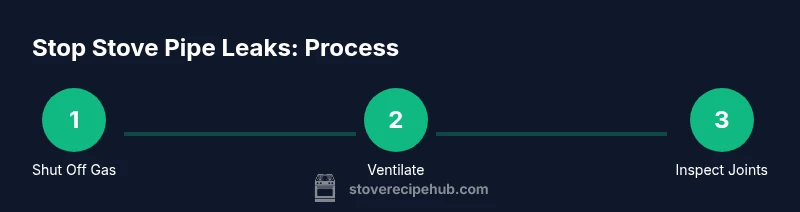
Stopping stove pipe leaks requires safety-first actions and practical fixes. Begin by shutting off the fuel supply and ventilating the area, then reseal small gaps with heat-rated sealant or high-temperature tape. If leaks persist or involve gas, contact emergency services and a licensed professional. This guide provides safe, actionable steps to protect your home.
Understanding Stove Pipe Leaks
Stove pipe leaks are a serious safety concern because they can allow dangerous gases to escape, especially when you’re using gas-fed appliances. According to Stove Recipe Hub, most leaks originate at joints or where sections of pipe wear out from heat cycles and rust. Signs aren’t always obvious, but you may notice a weak gas odor near the flue, whistling sounds, or visible soot around joints. A leak can compromise both fire safety and indoor air quality, so addressing it quickly is essential. The goal is to identify the source, prevent heat from widening the gap, and restore a tight, safe exhaust path for combustion byproducts. This section lays the groundwork: knowing where leaks typically occur, why joints loosen over time, and how even small gaps can affect draft and safety. Real-world considerations emphasize that prevention through regular checks is easier than emergency repairs after a leak.
Immediate Safety Steps You Should Take
If you suspect a stove pipe leak, safety must come first. Shut off the fuel supply at the appliance or main valve and do not operate electrical switches or open flames in the area. Evacuate people and pets if you smell gas, hear a hiss, or notice dead quiet air with a gas odor. Open doors and windows to ventilate, but avoid turning on fans that could spread gas. Call your gas utility or emergency services from a safe location. Do not attempt to repair a suspected gas leak yourself—gas leaks require licensed professionals. When the area is declared safe by authorities, you can proceed with careful inspection and repairs using proper heat-rated products. This approach minimizes risk while protecting your home.
How to Inspect for Leaks Safely
Start with visual inspection: look for blackened joints, corrosion, or loose fittings along the stove pipe. Use a flashlight to examine joints and clamps; listen for hissing at joints when the system is pressurized (only after you’ve ensured it is safe to re-enter). A simple soapy-water test can reveal leaks: apply the solution to suspect joints and watch for bubbles. Never test a live gas line with a flame. If you detect soot buildup, a crack, or persistent bubbles, treat it as a leak and consult a professional. Personal protective equipment such as safety glasses and gloves should be worn during inspection, and you should ensure the area is well-ventilated throughout.
Tools and Materials You’ll Need
Before you begin, gather essential tools and materials to address minor leaks safely. You’ll want: safety goggles, work gloves, a adjustable wrench, high-temperature silicone sealant, heat-rated aluminum tape, a wire brush for cleaning, rags, and a soapy water solution for leak testing. Have a fire extinguisher on hand as a precaution, and keep a spare replacement coupler or joint if you expect components may need replacement. These items help you perform safe, effective maintenance without improvising unsafe fixes near heat sources. Always use products rated for stove pipe temperatures and never substitute with ordinary household sealants.
DIY Fixes for Small Leaks
For small leaks at joints, a careful DIY approach can restore a tight seal without full replacement. First, clean the joint area thoroughly to remove soot and debris. Then tighten loose clamps or fittings with the appropriate wrench, ensuring not to overtighten. Apply a heat-rated sealant around the joint or wrap the area with high-temperature tape designed for stove pipes. Avoid using generic duct tape or silicone not rated for high temperatures near exhaust areas. Allow the sealant to cure according to the manufacturer’s instructions before testing. After curing, re-test the joint with soapy water and observe for bubbles. If bubbles appear, stop and call a professional—failed seals can still pose a hazard.
When to Replace Flue Components
If you observe extensive rust, deep cracks, warping, or recurring leaks from the same joint, replacement may be necessary. Damaged pipes can alter draft and create dangerous exhaust conditions. In such cases, contact a licensed stove technician or plumber to assess which components should be replaced (couplers, sections, or clamps) and to ensure that new parts meet local safety codes. A professional evaluation reduces risk and ensures proper venting and combustion safety are maintained.
Maintenance Routine to Prevent Leaks
Preventing leaks is easier than fixing them after they occur. Establish a routine: inspect joints and clamps at least twice a year, clean soot buildup from joints and flues, and replace worn gaskets or seals promptly. Keep combustible materials away from the stove pipe and maintain proper clearance as specified by the appliance manufacturer. Consider scheduling a fall and spring check with a qualified technician, especially if you use your stove heavily in winter. Regular maintenance reduces the likelihood of leaks and extends the life of your venting system.
Real-World Scenarios and Common Mistakes
Many leaks arise from overlooked maintenance, not an obvious crack. Common mistakes include ignoring a faint gas smell, using improvised fixes like duct tape, or delaying professional assessment after a minor joint looseness. Readers should understand that even small, repeated leaks can cause gradual buildup of dangerous gases. The takeaway is to treat any symptom—odor, sound, or visible residue—as a potential leak and seek professional guidance, especially if you’re unsure about the integrity of the pipework.
Quick Reference Checklist
- Shout safety: turn off fuel and ventilate the area.
- Inspect joints and clamps for looseness or corrosion.
- Clean joints to remove soot before resealing.
- Use heat-rated sealant or high-temperature tape only.
- Re-test with soapy water to confirm a leak is sealed.
- If in doubt or if gas is present, contact a professional immediately.
Tools & Materials
- Gas shut-off valve(Know location and how to operate safely.)
- Safety goggles(Protect eyes from soot and solvents.)
- Work gloves(Leather or heat-resistant gloves.)
- Adjustable wrench(For loosening/tightening joints.)
- High-temperature silicone sealant(Heat-rated sealant rated for 500-1000°F.)
- Heat-rated aluminum tape(Replace damaged wrap or sealant and use only rated tape.)
- Wire brush(Clean corroded areas and joints.)
- Rags/paper towels(Wipe surfaces and clean up spills.)
- Soapy water solution(Test joints for leaks without fire.)
- Replacement couplers/joints(Have on hand if a joint is damaged.)
- Fire extinguisher(Keep accessible as a precaution.)
Steps
Estimated time: 60-90 minutes
- 1
Shut off fuel and secure area
Immediately stop the fuel supply to prevent ignition and further leakage. Move people and pets away and avoid creating sparks. This reduces risk while you assess the situation.
Tip: If there’s any gas smell, evacuate and call emergency services before approaching the area. - 2
Ventilate and ensure safety
Open doors and windows to improve air flow and reduce gas buildup. Do not use fans that could spread fumes. Confirm the area is safe to re-enter before proceeding.
Tip: Never operate electrical switches in or near a suspected gas leak. - 3
Identify the leak location
Visually inspect joints and pipe sections for cracks, corrosion, or loose clamps. Use a soapy water test on joints after re-energizing the area to pinpoint any active leaks.
Tip: Look for soot or blackening around joints as a quick indicator of leakage. - 4
Tighten and clean
Gently tighten loose clamps and clean joint surfaces to remove residue. Do not over-tighten, which can crack fittings. Ensure surfaces are dry before sealing.
Tip: Use a wire brush lightly to remove stubborn soot before re-sealing. - 5
Apply a proper sealant or tape
Apply heat-rated silicone sealant around the joint or wrap with high-temperature tape designed for stove pipes. Ensure an even, continuous seal without gaps.
Tip: Avoid duct tape or non-heat-rated products near exhaust pathways. - 6
Test for leaks and monitor
Re-pressurize the system and re-test joints with soapy water. If you see bubbles, stop and call a professional. Allow any sealant to cure as directed before cooking again.
Tip: If bubbling occurs, do not use the stove until a professional approves a safe patch.
Common Questions
What exactly qualifies as a stove pipe leak?
A stove pipe leak is air or gas escaping from joints, cracks, or damaged sections of the exhaust pipe. Signs include a gas odor, hissing, or visible soot near joints. Treat any of these signs as a potential leak and seek professional assessment.
A stove pipe leak is gas or air escaping from the exhaust pipe joints. If you notice a smell or hiss, evacuate and call for help.
Can I fix stove pipe leaks myself?
Small, non-gas leaks at joints may be resealed with heat-rated sealant and proper high-temperature tape. Do not attempt repairs if you smell gas or see cracks in the pipe; these require a licensed professional.
For tiny joint leaks you may reseal with heat-rated products, but if gas is involved, call a pro.
What sealants are safe for high-temperature stove pipes?
Use sealants and tapes that are explicitly rated for the temperatures of stove pipes (typically hundreds of degrees). Do not use ordinary silicone or duct tape near the exhaust path.
Use only heat-rated sealants designed for stove pipes.
How can I tell if there is a gas leak by smell or sound?
Gas leaks often present as a rotten-egg odor and a distinct hissing sound near the pipe. If you detect gas, evacuate immediately and call emergency services.
Look for the gas smell and a hiss near the pipe, then get to safety and call for help.
When should I replace stove pipe components?
Replace components if there is extensive rust, cracks, or persistent leaks that cannot be resolved with sealing. A professional can determine which parts need replacement.
If parts are seriously damaged, replacement by a pro is recommended.
Is it safe to cook after applying a temporary fix?
Temporary fixes are stop-gaps and not a guarantee of safety. Do not cook until a professional confirms the seal is safe and the venting system is sound.
Avoid cooking until you have a professional sign-off on safety.
Watch Video
Top Takeaways
- Shut off gas immediately if you suspect a leak.
- Ventilate the area and avoid ignition sources.
- Use heat-rated sealants/tape; avoid home-grade adhesives near heat.
- Only replace damaged components with professional guidance when needed.