Should You Clean Your New Oven Before Use: A Step-by-Step Guide
Learn why cleaning a brand-new oven before first use matters, what to clean, step-by-step methods, safety tips, and a maintenance plan for long-term oven care. Practical advice from Stove Recipe Hub.


Yes. You should clean your new oven before first use to remove factory oils, dust, and protective coatings that can smoke or affect flavor. Use simple, mild supplies, then run a short curing bake to evaporate residuals. This quick prep helps ensure even heating and a clean start to your cooking.
Should you clean your new oven before use? Why it matters
Cleaning a brand‑new oven before you fire it up is a small, smart habit. Factory oils, protective coatings, and minute dust particles can burn off during the first heat cycle, producing smoke, odors, or flavors you won’t want in your early meals. According to Stove Recipe Hub, this initial wipe‑down isn’t merely cosmetic; it reduces smoke, minimizes odor transfer to foods, and helps the appliance reach stable temperatures more predictably. A clean start also gives you the chance to inspect for any shipping damage or loose components before you begin cooking. If you plan to bake your first batch soon, a deliberate prep step is worth the extra 15–30 minutes.
What you’re doing here is fundamentally about safety and quality. When you remove packaging residues and surface dust through gentle cleaning, you’re reducing the chance of particulates burning during a high‑heat cure and you’re ensuring the oven’s interior coatings aren’t prematurely degraded by harsh cleaners. The Stove Recipe Hub Team emphasizes that you should use mild cleaners and avoid aggressive scrubbers on factory finishes, especially around control panels and gaskets. This approach also sets a clean baseline for future maintenance and makes it easier to notice any unusual smells or vibrations later on.
Keep expectations reasonable: you’re not restoring a used, filthy oven, but you are preparing a pristine appliance for its best possible performance. The goal is to remove waxy fingerprints and manufacturing residues while preserving the finish of racks and interior surfaces. If you follow a consistent post‑clean routine, you’ll likely notice a smoother start to cooking with fewer odors during the first uses.
note
Tools & Materials
- Microfiber cloths(Lint-free, 2–3 for interior and exterior)
- Mild dish soap(Gentle, non‑abrasive formula)
- Warm water(For dilute cleaning solutions)
- Non-abrasive sponge(Soft scrubbing surface)
- Oven-safe gloves(Heat-resistant, 250°C/480°F max recommended)
- Paper towels(Disposable for drying and blotting)
- Plastic scraper or wooden spoon(For gently lifting stuck debris)
- Vinegar or baking soda (optional)(Use sparingly for deodorizing or stubborn stains)
Steps
Estimated time: 45-60 minutes
- 1
Unbox and inspect the oven
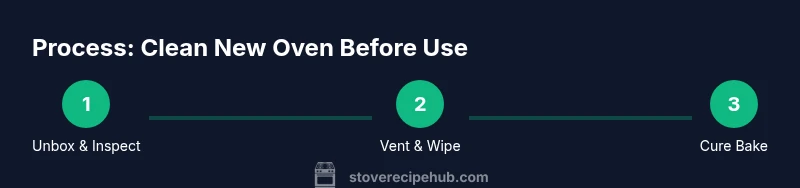
Remove the appliance from its packaging and inspect for any shipping damage or loose parts. Check that racks are present, doors seal properly, and there are no protective films left on the glass. This quick check prevents surprises during cleaning and first use.
Tip: Take a photo if you notice dents or dislodged pieces to show the retailer. - 2
Vent and wipe interior surfaces
Open the door and remove any racks for separate cleaning. Wipe the interior walls with a damp microfiber cloth and mild soap solution to remove dust or manufacturing residues. Rinse the cloth often and avoid soaking any electrical components.
Tip: Be gentle on the walls; avoid harsh scouring pads that could scratch enamel. - 3
Clean exterior surfaces and knobs
Wipe down the exterior, including the door handle and control panel, with a mild soap solution. Dry with a clean microfiber cloth to prevent streaks. This prevents transfer of fingerprints and oils to cooking surfaces.
Tip: If your knobs are removable, consider taking them off for a deeper clean. - 4
Wash racks and drip pans separately
Soak wire racks in warm, soapy water, then scrub with a non-abrasive sponge. Rinse and dry thoroughly before returning them to the oven. If your oven has a drip pan, wipe it clean and dry; avoid soaking any metal parts that could warp.
Tip: Lay a towel under the rack basin to catch drips and keep your sink from slipping. - 5
Reassemble and prep for cure bake
Return racks and any removable parts to their original positions. Wipe away any remaining moisture. Do not apply cleaner to heating elements or the fan if exposed.
Tip: Make sure seals and gaps are dry to avoid moisture trapping during the next step. - 6
Cure the oven with a short heat cycle
Set the oven to a low temperature (around 200–250°C/392–482°F, depending on model) and let it run for 15–20 minutes. This helps evaporate residual liquids and any short‑term factory coatings. Keep the kitchen well ventilated.
Tip: Do not leave the oven unattended during the cure bake; watch for smoke and open windows if needed. - 7
Cool and re‑wipe
Turn off the oven and allow it to cool completely. Wipe away any remaining dust or fumes with a dry microfiber cloth. A quick post‑clean wipe helps maintain the interior’s appearance and makes future cleaning easier.
Tip: If you notice a lingering odor, run a shorter second cycle with the oven empty and the door closed and vented. - 8
Inspect and plan ongoing maintenance
Check seals, hinges, and racks for wear and plan a simple maintenance routine—wipe down after heavy use and run a quick heat cycle monthly to keep coatings in good condition.
Tip: Create a simple checklist to follow before every major cooking project. - 9
Record your first‑use results
Note any odors, smoke, or residue that appeared during the cure bake and how you mitigated it. This helps tailor future cleaning and care to your specific oven.
Tip: Keep a small journal or note in your phone for reference.
Common Questions
Should I clean before using a brand-new oven?
Yes. Cleaning removes manufacturing residues and dust that can smoke or impart odors during the first uses. A gentle wipe‑down plus a short cure bake sets the stage for clean, even heating.
Yes—cleaning before first use helps prevent smoking and odors when you start cooking.
Can I use oven cleaner on a new oven?
Avoid heavy oven cleaners on a brand-new oven. Stick to mild soap and water, and only use cleaners approved by the manufacturer if needed. Harsh chemicals can damage protective coatings.
No heavy cleaners on a new oven; use mild soap and water instead.
How long should I heat the oven after cleaning?
Run a cure bake at a low temperature for 15–20 minutes to evaporate residues and odors. Ensure good ventilation during this step.
About 15 to 20 minutes at a safe, low heat with ventilation.
Is it safe to use the oven while cleaning?
No. Allow the oven to cool if you have just cleaned it, and avoid using it until it is fully dry and any fumes subside.
No, wait until it has cooled and dried.
What if I smell burning after cleaning?
Vent the area and run the oven at a low heat for a short period with the door closed, watching closely for smoke. If smells persist, consult the manual.
Vent and run a short cure bake; if smells persist, check the manual.
Should I remove racks before cleaning?
Yes. Remove racks to clean them separately and to access interior surfaces more easily. Dry racks thoroughly before reinserting.
Yes—remove and clean racks separately for better access.
Watch Video
Top Takeaways
- Pre-clean a new oven to remove manufacturing residues.
- Use mild cleaners and avoid harsh chemicals on protective coatings.
- Inspect racks and seals during setup for a smooth first use.
- Run a short cure bake with good ventilation.
- Maintain a simple post-use routine for long‑term performance.