What Is Wrong With Wood-Burning Stoves: A Practical Troubleshooting Guide
Urgent troubleshooting guide to diagnose and fix common wood-burning stove problems. Learn quick checks, safety steps, maintenance tips, and when to call a professional.


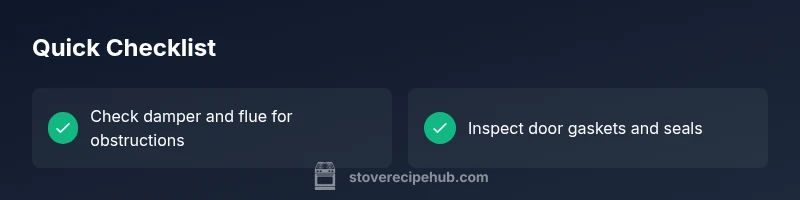
What is the first clue that your wood-burning stove needs attention? The most likely causes are a weak draft, creosote buildup, or improper air control. Start with the chimney and damper, then inspect door gaskets and seals. If the stove still underperforms or smokes, stop and call a licensed technician for assessment. for a quick, safe check that reduces risks and buys time until a pro can assess the flue integrity and carbon monoxide risk.
Understanding the Core Issues Behind Poor Wood Stove Performance
When a wood-burning stove underperforms, the root causes are usually tied to air flow, moisture, and heat management. what is wrong with wood burning stoves is a common question home cooks ask when smoke spills into the room, heat output drops, or fuel burn becomes inconsistent. In most homes the big three culprits are a weak draft, creosote buildup, and imperfect air control. A proper diagnosis starts with the chimney system: is the damper stuck, is the flue partially blocked, or is the chimney draft simply not strong enough? Next, inspect the stove gaskets and door seals for leaks that undermine efficiency. Finally, evaluate fuel quality and moisture; green or damp wood burns poorly and creates more smoke. By understanding these patterns, you can prioritize fixes that restore safe operation and heat output without unnecessary disassembly.
This is where a methodical approach pays off. We’ll walk you through safe checks, how to interpret symptoms, and the right order of operations so you’re not guessing your way through an expensive repair. Remember, the core issue often boils down to air—either too little or too much—and to moisture in the fuel. If you notice persistent smoke or a strong creosote odor, treat it as a red flag and escalate promptly.
Quick Safety Before Troubleshooting
Safety comes first when diagnosing wood stove issues. Before touching the stove, ensure it is cool to the touch. Wear heat-resistant gloves and eye protection, and work in a well-ventilated area. Keep a functioning carbon monoxide detector nearby and have a Class A chimney sweep or licensed technician on standby if you smell gas, hear unusual noises, or notice persistent smoke leakage. Never use flammable liquids to start or restart a fire, and avoid overfilling the firebox. These precautions protect you and your family while you troubleshoot.
The Diagnostic Flow: From Symptom to Solution
A clear diagnostic flow helps you isolate issues quickly. Start with the symptom: is there excessive smoke, poor draft, or inconsistent heat? Map it to a likely cause: draft problems, creosote buildup, or air-seal leaks. For each cause, apply a corresponding fix in order of ease, and test after each step. If you reach a point where the problem persists despite safe, standard fixes, escalate to a professional. This approach reduces guesswork and increases safety.
The goal is to build a simple cause-and-effect map that you can reuse. Note whether the issue worsens with dry wood, increased air, or after a long burn. Each pattern narrows the likely culprit and guides you toward the right fix without overhauling the entire system.
Step-By-Step Fixes for the Most Common Cause
- Improve draft by ensuring the flue and damper operate freely. Open the damper fully, inspect for obstructions, and if needed, clean the flue or hire a chimney sweep. 2) Check door gaskets and seals; worn gaskets leak heat and allow smoke to escape. Replace with manufacturer-specified gaskets and verify a tight seal. 3) Remove creosote safely from the firebox using a proper brush and approved cleaners; never scrape hot creosote. 4) Use well-seasoned wood with moisture content under 20%; store wood properly to avoid damp fuel. 5) Verify air wash and primary/secondary air controls are adjusted for the burn rate you want. 6) If persistent issues remain, contact a licensed professional for a complete chimney and appliance inspection. Tip: Work in a safe, ventilated area and never handle hot parts without protection.
Maintenance to Prevent Recurrence
Proactive maintenance reduces the risk of problem reoccurrence. Schedule annual chimney inspections and cleanings, especially if you burn hardwoods or if you notice increased creosote buildup. Regularly check gaskets and door seals and replace as needed. Keep the stove and surrounding area clear of combustibles, and use a proper ash disposal routine. Finally, track your fuel source and moisture content to optimize burn efficiency, heat output, and safety over the long term.
When to Call a Professional and What to Expect
If troubleshooting steps do not restore safe operation within a reasonable time, or if you detect strong smoke, strong odor of creosote, or signs of CO exposure, call a licensed professional immediately. A certified chimney sweep will inspect for creosote buildup, cracks, or compromised flue sections and test CO levels. Expect a comprehensive inspection, potential flue cleaning, gasket replacement, and safety-system checks. Routine professional maintenance remains the best investment in keeping your wood stove safe and efficient.
Steps
Estimated time: 60-120 minutes
- 1
Inspect flue and damper
Turn off the stove and ensure it is completely cool. Inspect the damper for full range of motion and look for visible obstructions in the flue. If you see buildup or soot, plan a safe cleaning using a proper chimney brush or hire a sweep.
Tip: Wear a mask and eye protection; use a drop cloth to catch debris. - 2
Check and replace door gaskets
Open the stove door and check gasket flexibility. Replace worn or cracked gaskets following the manufacturer’s instructions. Re-check the seal by closing the door and applying gentle pressure around the gasket.
Tip: Use manufacturer-approved gasket cement if instructed. - 3
Clean creosote from the firebox
Use a dedicated creosote brush and non-abrasive cleaner to remove loose buildup inside the firebox. For chimney sections that are accessible from the top, use the appropriate brush from the rooftop access or hire a pro for safer creosote removal.
Tip: Never dump hot creosote on skin; dispose safely. - 4
Assess firewood moisture and type
Switch to well-seasoned hardwoods and store wood for at least 6-12 months in a dry area. Avoid using freshly cut or green wood, which has high moisture and creates more smoke.
Tip: Moisture meters help verify wood at the right level for burning. - 5
Tune air supply and burn rate
Adjust primary and secondary air controls to achieve a clean burn. If smoke is persistent, reduce air temporarily and observe changes in flame quality and heat output.
Tip: Small, gradual adjustments prevent smoldering or smoke spikes. - 6
Call a pro if problems persist
If fumes continue, it may indicate flue cracks, improper installation, or CO risk. A licensed professional will inspect, test CO levels, and perform necessary repairs.
Tip: Document symptoms and dates to help the pro diagnose faster.
Diagnosis: Smoke or poor heat with a wood-burning stove
Possible Causes
- highPoor chimney draft or blocked flue
- highCreosote buildup restricting airflow
- mediumDamaged door gasket or seal allowing air leaks
- lowMoist or unseasoned firewood causing excessive smoke
Fixes
- easyInspect and clean the chimney; ensure the damper opens fully
- easyCheck door gaskets and seals; replace worn gaskets to restore a tight seal
- mediumRemove creosote safely with proper tools; avoid hot scraping
- easyUse properly seasoned wood with moisture content below 20%
- mediumIf issues persist, have a licensed professional assess flue integrity and CO risk
Common Questions
How do I know if creosote buildup is causing smoke inside?
Creosote buildup can cause smoky flues and odors; look for dark tar-like glaze on chimney and reduced draft. Regular cleaning reduces this risk and backdrafts. If smoke persists, stop using the stove until inspected.
Creosote buildup can make your chimney smoky. Look for tar-like glaze and reduced draft, and clean or call a pro if needed.
Is it dangerous to use a wood stove with a damaged door gasket?
Yes. A worn gasket leaks heat and can allow smoke to escape into the room, increasing CO risk. Replace gaskets according to the manufacturer’s instructions and test the seal.
A damaged gasket can leak smoke and raise CO risk; replace it and test the seal.
What maintenance schedule should I follow for a wood-burning stove?
Check seals monthly during heating season and have the flue inspected yearly. Clean ash regularly and ensure the chimney is cleared as needed. Adjust frequency based on use and wood type.
Check seals monthly, inspect the flue yearly, and clean ash regularly.
Can I diagnose stove problems myself or do I need a pro?
Many issues can be diagnosed with basic checks, but some conditions require a licensed technician, especially carbon monoxide risk or structural flue problems.
You can handle simple checks, but call a pro for CO risk or major flue issues.
What safety steps should I take during troubleshooting?
Wear PPE, keep children and pets away, and ensure proper ventilation. If you smell gas or see signs of CO exposure, stop and evacuate, then call emergency services.
Wear gloves and eye protection, ventilate the area, and call for help if you smell gas.
How often should I have my chimney inspected?
Most experts recommend an annual inspection if you burn wood regularly, with cleaning every 1-2 years depending on usage and wood type.
Annual chimney checks are wise if you burn wood often.
Watch Video
Top Takeaways
- Identify draft, creosote, and seals as the core issues.
- Creosote buildup is a leading risk; clean safely.
- Safety devices like CO detectors are non-negotiable.
- When in doubt, call a licensed pro for assessment.