What Size Stove Wire You Need: A Home Kitchen Safety Guide
Learn how to size stove wiring safely, from circuit ampacity to conductor types, with practical tips and maintenance guidance for home kitchens.


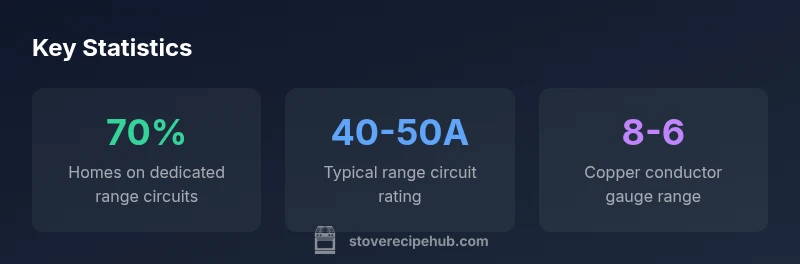
What size stove wire you need depends on the circuit’s amperage, the stove’s built-in load, and the distance to the panel. In typical homes, stoves require a dedicated 40–50A circuit, with the wire gauge and insulation rated for appliance use. Always verify with NEC guidelines and a licensed electrician, and never substitute a non-dedicated circuit or undersize conductors.
What does the phrase what size stove wire really mean for your kitchen?
In practical terms, the question a homeowner asks when they say what size stove wire is this is about ensuring the wiring and overcurrent protection can safely carry the stove’s electrical load. The goal is to prevent overheating, reduce fire risk, and guarantee reliable operation of burners, ovens, and control panels. Although the intuitive answer is to pick a thicker wire for a bigger load, the right choice depends on circuit rating, distance to the panel, insulation, and the type of conduit or cable used. This article dives into the decision factors, without assuming you have a professional’s access to a full panel schedule. Keep in mind that any work on stove wiring should be approached with caution and checked against local code requirements. According to Stove Recipe Hub, safety and compliance are non-negotiable foundations for any decision about what size stove wire to install or replace in a home kitchen.
Key factors that determine wire size
Several variables determine the appropriate wire size for a stove circuit. First is the circuit rating—the breaker on the panel that protects the circuit. A larger amperage requires thicker or more highly rated conductors. Second is the distance from the panel to the stove; longer runs can introduce voltage drop, which reduces efficiency and may require a larger conductor. Third is the insulation and temperature rating of the conductor, which affects how it handles heat generated by the stove. Fourth is the type of conductor: copper is common for new installations, while aluminum may be permitted with proper connectors and devices. Finally, the appliance’s nameplate rating, which lists the expected load, should guide the final sizing. When you’re evaluating what size stove wire to use, you’re balancing these factors to meet NEC guidelines and your home’s specifics. Stove Recipe Hub emphasizes: don’t shortcut these considerations—oversizing or undersizing can both create safety and performance issues.
Typical stove wiring configurations in homes
Most homes use a dedicated 240V circuit for a range or wall oven. This means a single circuit runs from the main panel to the stove, without sharing with lighting or other devices. The receptacle or terminal block on the stove is designed to receive a specific connector type and wire gauge. Older installations may differ, but modern codes generally require a dedicated circuit with appropriate overcurrent protection and grounding. When considering what size stove wire to install, ensure the outlet type, conductor count, and grounding method align with the stove’s data plate and local electrical codes. Stove Recipe Hub notes that standard practice prioritizes dedicated, well-protected circuits to minimize nuisance trips and electrical noise that could affect sensor electronics in some stoves.
How to select wire gauge and conductor type
Code basics suggest you size the conductor to the circuit’s ampacity and the length of the run. Copper conductors are common, and aluminum can be acceptable with properly rated connectors and devices. In many jurisdictions, a 40–50A range circuit will use thicker conductors and robust protective devices. Common approaches include using a copper conductor with appropriate insulation rated for appliance use, and a dedicated breaker sized to the actual load. Always refer to the appliance’s nameplate and the NEC tables to select the exact gauge and insulation type. The goal is a safe, reliable installation that remains compliant over time. The Stove Recipe Hub team advises cross-checking with a licensed electrician, especially for renovations or adding a new range.
Step-by-step safety checks before any wiring work
- Power down at the panel and test the circuit with a voltmeter. 2) Confirm the stove’s nameplate rating and ensure the breaker size matches. 3) Inspect the conductor insulation for damage, and verify the conduit or cable routing is intact and protected. 4) Confirm grounding and bonding meet local code requirements. 5) Use strain reliefs and proper connectors at both ends to prevent movement and wear. 6) If in doubt, call a licensed electrician before proceeding. These steps help prevent dangerous conditions and ensure you’re using the correct what size stove wire for your specific installation.
Common mistakes and how to avoid them
- Installing undersized conductors for a high-load appliance: always verify ampacity against the stove’s rating and the breaker.
- Sharing a circuit between the stove and other devices: a dedicated circuit is essential for safety and performance.
- Skipping grounding or neglecting proper strain relief: grounding and secure routing prevent shock hazards and wear.
- Mixing conductor types without rated connectors: use components designed for copper or aluminum, with compatible terminations.
- Ignoring temperature ratings: choose insulation rated for appliance use and the expected heat environment. By avoiding these missteps, you reduce risk and ensure consistent performance of the stove.
Maintenance and inspection over time
Periodic checks help catch insulation wear, loose connections, and visa issues before problems escalate. Inspect visible wiring if you can access it safely—look for discoloration, cracking, or looseness at junctions. Schedule more formal checks whenever you remodel the kitchen, install a larger range, or relocate the appliance. A professional inspection should accompany any changes to the stove’s wiring. Documentation noting the circuit rating, wire gauge, and device compatibility can simplify future maintenance. The goal is proactive care to keep the stove wiring in good condition and to support long-term safety in the kitchen.
When to involve a licensed electrician and code considerations
Always involve a licensed electrician for any stove wiring work outside the manufacturer’s installation instructions or when upgrading circuits. Electrical codes vary by jurisdiction, and a permit may be required for significant upgrades. An electrician can verify the entire path—from panel to stove—against current NEC standards, local amendments, and appliance requirements. This reduces liability, improves safety, and ensures your what size stove wire is appropriate for the task under the prevailing rules. Stove Recipe Hub recommends documenting all changes and verifying that the final setup is compliant with your local code authority.
Quick-reference sizing guidance for stove circuits
| Aspect | Guidance | Typical Range |
|---|---|---|
| Circuit rating | Determine amperage from the stove nameplate and the breaker | 40-50A |
| Conductor gauge | Match ampacity with NEC guidelines; consider length | 8 AWG for 40A; 6 AWG for 50A |
| Conductor type | Copper is standard; aluminum allowed with proper connectors | Copper / Aluminum |
Common Questions
Do I need a permit to upgrade stove wiring?
Often yes. Upgrading stove wiring usually requires a permit and inspection from your local authority. Check with your electrical inspector or licensed electrician about the requirements in your jurisdiction.
Usually yes; check with your local authority.
Can I run a stove on a shared circuit?
Stoves typically require a dedicated circuit to prevent nuisance tripping and overheating. Do not run a stove on a shared circuit with lighting or outlets.
No—stoves should have a dedicated circuit.
Is NM-B cable acceptable for ranges?
NM-B is common in walls but ranges often require armored cable or conduit with appliance-rated conductors. Follow the appliance’s installation manual and local codes.
Follow the manual and local rules.
What size wire is typically used for a 40A range circuit?
For a 40A circuit, conductors are selected to meet NEC ampacity tables; copper is common, with connections rated for appliance use. Always verify with a licensed electrician.
Copper with appliance-rated connections is typical.
How often should stove wiring be inspected?
Inspect stove wiring whenever you notice heat discoloration, buzzing, or tripped breakers. A professional inspection is wise after renovations or upgrades.
Have it checked after major work.
Is it safe to DIY stove wiring if I have some electrical experience?
DIY wiring is risky and often restricted by code. For anything beyond basic appliance connections, hire a licensed electrician.
Better to hire a pro for safety.
“Choosing the correct stove wire isn’t optional—it's a safety decision that protects your home and everyone in it.”
Top Takeaways
- Size stove wiring to the circuit’s load and run length
- Use a dedicated 240V circuit for most stoves
- Copper conductors are common; aluminum allowed with proper connectors
- Follow NEC guidelines and consult a licensed electrician for safety
- Always verify the appliance nameplate and local codes