What Gauge Wire Is Needed for Stove: A Practical Guide
A practical guide to sizing stove wiring for 40–50A circuits, copper vs aluminum options, and professional guidance for safe installation.


What gauge wire is needed for stove
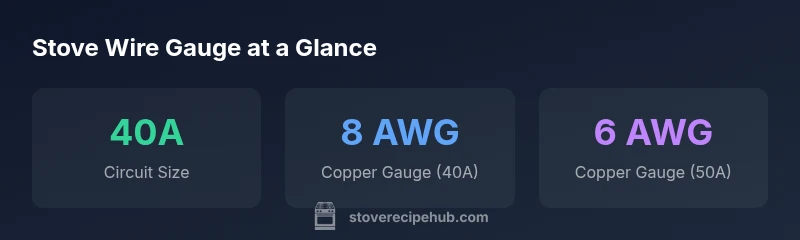
If you’re sizing a stove circuit, the central question is what gauge wire is needed for stove. The answer depends on the stove’s amperage rating and the length of the run. According to Stove Recipe Hub, most residential stoves operate on a dedicated 40–50 amp circuit, which determines the copper wire gauge: 8 AWG on 40A, 6 AWG on 50A. Always refer to the appliance nameplate and local code. In practice, a smaller stove may run on a 40A circuit, while larger or newer models often require 50A. The wiring should be installed in approved conduit, with a correctly sized breaker and a proper grounding path. The distance of the run, insulation, and ambient temperature ratings can influence conductor choice, so be sure to verify these factors with your local electrical code. The key takeaway is: what gauge wire is needed for stove is not a one-size-fits-all answer; it’s driven by amperage, length, and installation specifics.
Understanding the amperage drivers behind gauge decisions
The core principle behind determining gauge is amperage: higher amperage circuits require thicker conductors to safely carry current without overheating. For most home stoves, the 40–50 amp range is standard, but confirm the rating on your specific model. When you know the amperage, you can map to copper gauges (8 AWG for 40A, 6 AWG for 50A) and ensure the breaker matches the load. Local codes may impose additional constraints, such as maximum ambient temperature derating or conduit requirements. If the installation is longer than a typical kitchen run, you may need to adjust gauge upward to reduce voltage drop or to meet code spacing rules. Always cross-check with the stove manufacturer’s installation instructions and your jurisdiction’s wiring rules.
40A vs 50A circuits: implications for wire gauge
The split between 40A and 50A circuits is common in stove installations, and the gauge is the primary differentiator. A 40A circuit uses 8 AWG copper, while a 50A circuit uses 6 AWG copper. Some older or specialized appliances may call for different configurations, but the 40/50A rule remains a reliable guideline. If you’re installing a new range or upgrading, ensure the wire gauge can support the full load with an appropriate margin. Also verify that the wiring method—such as conduit or raceway—and the strain relief, terminal lugs, and protective devices are rated for the chosen gauge.
Safety, code compliance, and the role of permits
Wiring a stove is a high-stakes electrical task that intersects with safety and code compliance. Whether you’re replacing a stove, upgrading a circuit, or installing a new outlet, all work should align with national electrical codes and local amendments. This typically means a dedicated circuit, correctly sized gauge, properly rated breakers, and a clear ground path. Without correct gauge sizing and protection, you risk overheating, nuisance tripping, or fire hazards. Given these stakes, many jurisdictions require permits and inspections for stove wiring projects. Stove Recipe Hub emphasizes pursuing professional guidance to ensure compliance and safety.
Practical steps for home verification and planning
Before you buy or install a stove, map out the circuit requirements and gauge needs. Start by locating the stove’s nameplate, which lists the rated amperage. Then confirm the existing circuit's amperage capacity and whether it’s dedicated. If you’re unsure, don’t improvise—consult a licensed electrician. Create a wiring plan that accounts for gauge, voltage drop (especially on longer runs), and conduit type. Document all decisions and keep the installation photos for permits and future maintenance. Remember, the right gauge isn’t just a number—it’s a safety feature that protects your home and family.
Common mistakes to avoid when sizing stove wire
Common errors include mismatching gauge to amperage, using extension cords for a stove, failing to use a dedicated circuit, and neglecting proper grounding. Selecting a lighter gauge for the sake of convenience can lead to overheating and tripping breakers. Similarly, bypassing permits or skipping inspections creates compliance risks and potential liability. Finally, always ensure robust strain relief at the junction box and secure connections that won’t loosen with vibration or kitchen activity.