Why Does My Stove Make a Popping Sound? A Troubleshooting Guide
Discover quick, safe fixes for a popping stove. Learn common causes, step-by-step checks, and when to call a pro in this practical guide from Stove Recipe Hub.


A popping stove is often caused by moisture in the burner wells, trapped air, or grease buildup. The quickest fix is to dry and reseat the burner, then clean any debris. If noises persist, proceed with deeper checks and follow our step-by-step guide for safe, practical fixes.
Understanding Why Popping Happens on a Stove
If you’ve asked yourself why does my stove make a popping sound, you’re not alone. In most home kitchens, pops come from moisture, trapped air, or grease under or around the burner. On gas stoves, water droplets in burner wells can boil when heated and produce a quick pop. Debris from oil or food under the grate can also hiss and pop as steam escapes. Metal components expand when heated, and tiny gaps can produce a sharp pop as parts shift. While many pops are harmless, persistent popping could indicate moisture intrusion in electrical components or an irregular gas flame. This section explains the practical checks you can perform safely to identify the likely culprit. Our guidance is designed for home cooks who want fast, effective results without unnecessary risk, and it aligns with the approach Stove Recipe Hub uses to help readers diagnose stove-top issues.
Immediate Quick Checks You Can Do Safely
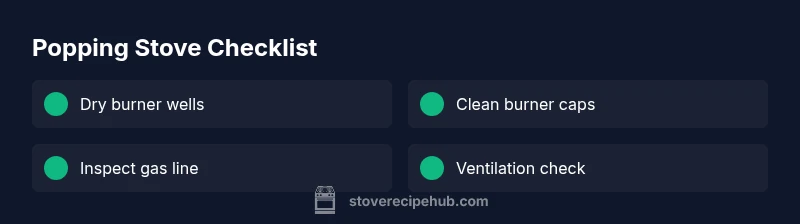
Start with the simplest fixes before diving into disassembly. First, ensure the burner and surrounding area are completely dry. Turn off the burner and let it cool, then wipe away any visible moisture with a clean, dry towel. If you used water or a cleaning solution, dry all surfaces thoroughly before relighting. Check that pots are not boiling over or huddled together to trap steam under the pot. Inspect the burner cap and head for loose fit or misalignment; reseat them firmly. Finally, examine for obvious grease or food debris under the grate and clean with a soft brush and mild soap. If the pops persist, move to deeper checks in the next sections.
Common Causes in Detail
Moisture in burner wells: Water droplets can boil when the flame heats the burner, producing a rapid pop. Oil or grease: Grease under the burner tends to blister and steam, causing pops. Debris under the grate: Small particles heat unevenly, causing hisses and pops. Glass-ceramic tops and metal frames: Thermal expansion can create tiny pops as metal parts adjust with temperature. Gas line or venting irregularities: Unusual sounds can indicate an issue with gas flow or venting and require professional attention.
When to Seek Professional Help
If you smell gas, hear a strong hissing, or notice a persistent popping accompanied by misflame, turn off the stove, evacuate if you suspect a leak, and call your gas provider. A popping sound that does not subside after cleaning, or popping accompanied by digital error codes on an electric stove, should be inspected by a licensed technician. Do not attempt to adjust gas valves yourself. If a professional visits, provide details about when the noise occurs (lighting, simmering, high heat) and any other symptoms.
Preventive Steps to Minimize Future Popping
- Keep burners clean and dry; wipe after cooking and dry thoroughly before use.
- Use dry cookware; avoid storing water inside the burner area.
- Regularly inspect burner caps, heads, and grates for wear and tight fit.
- Schedule annual professional servicing for gas stoves to catch leaks and wear early.
These steps help prevent moisture buildup and debris that cause popping. Also ensure adequate ventilation to reduce steam under pots.
Steps
Estimated time: 25-40 minutes
- 1
Power off and cool the area
Turn off the stove and let the burner cool completely before handling any parts. If the unit has an electric ignition, switch off the circuit or unplug the appliance if safe to do so. This reduces the risk of sparks or shock during inspection.
Tip: Always prioritize safety; if you smell gas, evacuate immediately. - 2
Remove cookware and access burner parts
Carefully move pots and pans away from the burner. Remove the grate to expose the burner head so you can examine seating and look for obvious moisture or debris.
Tip: Take photos before disassembly to aid reassembly. - 3
Inspect and reseat burner cap and head
Check that the burner cap sits flat and the head is properly aligned. If the parts are loose, reseat firmly and verify proper seating before relighting.
Tip: Ensure all pieces are dry and free of cracks or damage. - 4
Clean residues and dry thoroughly
Use a soft brush and mild soap to remove grease or food debris from burner components. Rinse if needed and dry completely with a clean towel before reassembly.
Tip: Avoid harsh cleaners that could corrode metal. - 5
Reassemble and test on low flame
Reassemble parts, light the burner on a low flame, and observe for popping. If the sound returns, gradually increase heat while watching closely for symptoms.
Tip: Test with a timer and never leave unattended while testing. - 6
Call a professional if the noise persists
If popping continues after cleaning and drying, arrange a professional inspection to check gas lines, valves, and burner integrity.
Tip: Provide the technician with details on when the noise occurs and any related symptoms.
Diagnosis: Stove makes popping sounds when heating
Possible Causes
- highMoisture trapped in burner wells or under caps
- mediumOil or grease or food debris under burner or grate
- lowGas valve/venting irregularities or misalignment
Fixes
- easyTurn off the burner, allow to cool, and dry all metal parts with a clean towel; keep moisture away from ignition.
- easyRemove burner cap and head; clean away debris with a soft brush and warm soapy water; dry completely before reassembling.
- hardIf popping continues after cleaning and drying, schedule a licensed technician to inspect the burner and gas line.
Common Questions
Is a popping stove dangerous?
A popping stove is usually not dangerous by itself, but persistent pops can indicate moisture or debris issues. Gas smells or irregular flames require immediate attention.
Popping isn’t always dangerous, but any gas smell or odd flame deserves urgent attention.
What should I do first if I hear popping?
Turn off the burner and let it cool, then inspect for obvious moisture or debris under the cap and grate. If the noise continues, move to deeper checks.
Turn it off, let it cool, and check for moisture or debris first.
Can moisture cause popping?
Yes. Water or steam trapped in burner wells can boil when heated, causing popping sounds.
Yes, moisture often causes pops; dry everything thoroughly before use.
Can I use a hair dryer to dry moisture near a stove?
No. Do not use a hair dryer or heat gun near gas appliances. Use towels and air-dry parts instead.
No, avoid hair dryers near stoves; dry with towels and air-dry.
When should I replace a burner part?
If the cap or head is warped, cracked, or won’t seat properly after cleaning, replace with an appropriate part or have a pro assess.
If you see damage or persistent issues after cleaning, consider replacement or professional help.
Watch Video
Top Takeaways
- Dry the burner and caps before relighting
- Clean and reseat parts to prevent pops
- Persistent popping needs professional inspection
- Prioritize safety if you smell gas or see flame irregularities