Why Would a Stove Smoke? Troubleshooting Guide
Urgent stove troubleshooting guide: learn why your stove is smoking, quick safety steps, common causes, and practical fixes from Stove Recipe Hub.


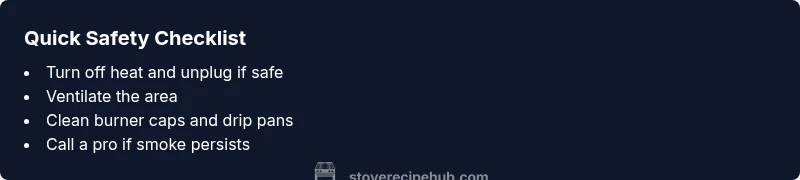
If your stove is smoking, act quickly but stay safe. Most smoke comes from oil or food residue burning, overheated pans, or a faulty burner. Turn off the burner, unplug if safe, and open a window to vent. This quick steps guide outlines the likely causes and immediate fixes you can try now.
Safety First: Immediate actions when you see stove smoke
Smoke from a stove can signal burning material or a more serious electrical or gas issue. Start with the simplest, safest moves: turn off the heat source, move nearby combustibles away, and keep a metal lid or fire blanket within reach. If flames appear, smother them with a lid or baking soda—never pour water on an oil fire. Ventilate the room by opening doors and windows, and if you smell gas or hear hissing, evacuate and call emergency services. According to Stove Recipe Hub, immediate safety actions save lives and prevent damage. After you’ve secured safety, assess the scene calmly: is the smoke coming from food residue, oil, or a pan that overheated?
Common causes of stove smoke and how to identify them
Stove smoke typically arises from oil or sugar residues burning, spilled foods, overheated pans, or dirty burners and drip pans. If you notice a popcorn-like scent or a thin wisp of smoke whenever you turn on a burner, start with cleaning the burner caps and surrounding grates, then re-test with a small amount of oil in a clean pan. Overheating oil has a lower smoking point than water-based foods, so even short cooking sessions can produce smoke if the oil is hot. In some cases, wiring insulation or a stressed element in electric stoves can emit smoke, which is a sign to power down and consult a professional. Stove Recipe Hub analysis shows that routine cleaning and correct oil temperature are the most common preventers for smoke events.
Gas stove vs electric stove: how smoke differs and what that means
Gas stoves typically smoke from food residue ignition or flaming oil as the flame casts heat on pan edges. Electric stoves may smoke due to overheated coils, dust burning, or short circuits in the burner assembly. If you see a strong electrical smell along with smoke, this may indicate an electrical fault that could pose a shock or fire risk. Understanding the source—gas flame, coil, or residue—helps you choose the right action, whether adjusting heat, cleaning parts, or calling a technician. The responsible approach combines caution with quick, small fixes to prevent recurring issues.
Immediate checks you can perform now (safety-first checklist)
- Verify the burner is properly seated and not tilted. A misaligned burner can heat unevenly and cause smoking.
- Wipe away any spills on the burner caps, grates, and drip pan. Residue can burn at lower temperatures than you expect.
- Use a small amount of oil on a clean, monitored surface; never leave oil unattended as it can overheat quickly.
- Check the oven or nearby cabinets for overheating or flammable items stored too close to heat sources.
- If you smell gas or hear a hissing sound, evacuate and contact the gas company or emergency services immediately. As you test, ensure you have sufficient ventilation. Stove Recipe Hub emphasizes safety as the first step before troubleshooting any cause.
Step-by-step diagnosis flow (conceptual overview)
This section maps symptoms to likely causes and fixes. It’s designed to be a quick reference to stay safe while you troubleshoot. If smoke persists after basic checks, pause and move to professional assistance. Remember, persistently smoking appliances can indicate a dangerous fault that warrants professional evaluation. Stove Recipe Hub notes that a calm, methodical approach prevents unsafe outcomes.
Cleaning and maintenance to prevent future smoke events
Regular cleaning reduces the buildup that leads to smoking. Wipe down burner caps, wipe the inside of the cooktop, and clear vent paths. Replace worn drip pans and ensure burner caps are properly positioned. Use high-smoke-point oils and avoid leaving oil near high heat. Periodic inspection of burner wiring and insulation helps catch faults early. A clean, well-maintained stove reduces smoking incidents and improves overall safety.
When to call a professional and what to expect
If you cannot identify the cause, if smoke appears with no obvious residue, or if you smell gas or see scorched wiring, stop cooking and call a licensed technician. Electric stoves may require diagnostics of coils and wiring; gas stoves may need gas line checks and igniter testing. A professional will test for electrical faults, gas leaks, and improper venting, and they’ll provide guidance on safe use and replacement parts if needed. The Stove Recipe Hub team recommends erring on the side of safety when persistent smoke occurs.
Quick recap: practical prevention checklist for smokefree cooking
- Clean the cooktop and burner components after each use.
- Use oil in moderation and monitor oil temperatures closely.
- Ensure proper ventilation and keep flammables away from the stove.
- Schedule periodic maintenance checks and replace worn parts promptly.
- Document any incidents to share with a technician if needed. These practices help you cook safely and reduce the risk of smoke.
Steps
Estimated time: 25-40 minutes
- 1
Cut the heat and ensure safety
Shut off the burner and, if safe, unplug the range. Move flammable items away and open a window for ventilation. Confirm there are no active flames; if there are, smother with a lid or baking soda. This first step prevents spread of fire and reduces risk while you assess.
Tip: Always have a metal lid within reach for quick flame suppression. - 2
Inspect the immediate area
Check for spilled oil, sugar, or food on the burner, caps, and drip pan. Clean any residue with a damp cloth after the burner cools. Residue is a frequent source of smoking even at moderate temperatures.
Tip: Use a non-abrasive sponge and avoid harsh chemicals near heat sources. - 3
Test the burner on a small test run
Reignite the burner with a small amount of oil or food residue removed. Observe whether smoke returns. If it does, stop and proceed to deeper cleaning or consider professional evaluation.
Tip: Never leave a cooking test unattended; monitor for 60-120 seconds only. - 4
Assess electrical or gas components
If smoke persists after cleaning, inspect for unusual smells, buzzing, or visible damage to wires or igniters. For gas stoves, listen for gas odor. Do not attempt repairs beyond basic cleaning.
Tip: Intermittent sparking or heat loss warrants professional service. - 5
Ventilate and monitor after restart
Keep the area well-ventilated as you resume cooking. If smoke recurs, shut down and call a professional. Document the incident for future reference or warranty needs.
Tip: Take photos of any damage or signs of wear to share with a tech. - 6
Follow-up maintenance
Schedule a routine cleaning, inspect burner caps for proper seating, and replace worn drip pans or damaged wiring as recommended by the technician. Regular maintenance reduces future smoking incidents.
Tip: Create a monthly stove-cleaning habit to prevent buildup.
Diagnosis: Stove is smoking while in use
Possible Causes
- highOil or food residue burning on burner or pan
- highOverheated oil or food sugars in pan
- mediumSpilled liquids or crumbs burning in drip pan
- mediumDirty burner caps or misaligned burner
- lowElectrical fault (coils, wiring) or faulty gas connection
Fixes
- easyTurn off the burner, unplug if safe, and move combustibles away
- easyClean burner caps, grates, and drip pan; re-seat burner properly
- easyIf you’re cooking with oil, reduce heat and monitor temperature; use a thermometer
- easyVentilate and observe for continued smoke; if it persists, power down and call a pro
- hardFor electrical or gas-related concerns, contact a licensed technician immediately
Common Questions
What should I do first if my stove starts smoking?
Shut off the burner, unplug if safe, and open a window to ventilate. If flames appear, cover with a metal lid and move combustibles away. Do not pour water on an oil fire.
First, turn off the burner and unplug if you can safely. Ventilate the area and cover flames with a lid if needed.
Why does oil smoke even at low heat?
Oil has a smoke point; overheating oil releases smoke and potentially harmful compounds. Use moderate heat and monitor oil temperature with a thermometer when possible.
Oil can smoke at relatively low temperatures if overheated; monitor temperature and keep heat moderate.
Can a dirty burner cause smoking?
Yes. Residue on burner caps or in the drip pan can burn and produce smoke. Clean these parts regularly and reseat burners properly.
Residue on burners can burn and smoke; clean and reseat components after each use.
When should I call a professional?
If smoke recurs after cleaning, if you smell gas, or if you notice electrical issues, stop cooking and contact a licensed technician immediately.
If smoke persists or you smell gas, call a professional right away.
How can I prevent stove smoke in the future?
Keep spills clean, use appropriate oil temperatures, and ensure good ventilation. Regular maintenance reduces the likelihood of smoke events.
Clean spills, monitor oil temps, and ventilate properly to prevent future smoke.
Is electric stove smoke different from gas stove smoke?
Yes. Electric stoves smoke mainly from overheating coils or wiring, while gas stoves smoke from cooking residue or improper flame control. Each type may require different fixes.
Electric stoves smoke from coils or wiring; gas stoves from residue and flame control.
Watch Video
Top Takeaways
- Act immediately to ensure safety
- Clean and inspect regularly
- Know when to call a professional