How to Stop a Stove From Smoking: Practical Guide
Learn practical, step-by-step methods to stop your stove from smoking, prevent flare-ups, and keep your kitchen safe. A Stove Recipe Hub guide on safety, cleaning, and smart cooking.


According to Stove Recipe Hub, this guide helps you stop a stove from smoking quickly and safely. You’ll see immediate safety steps, cleaning routines, and preventive cooking practices that reduce future smoking. You'll understand why smoke happens, how to respond, and how to keep your stove smoke-free for good. This overview also covers when to call for professional help.
Common Causes of Stove Smoking
If you’re wondering how to stop a stove from smoking, the first step is identifying the source. Most episodes start with grease buildup on burner parts, pan bottoms, or hood filters. Oil or fat left on the grate can heat beyond its smoke point and vent out as smoke, especially when you crank up the flame. Food debris and burnt residues can also carbonize and produce visible smoke as you cook. Dust and cleaning-product residues may interact with heat in unpredictable ways. According to Stove Recipe Hub, regular maintenance is the best defense against smoky surprises. Understanding where the smoke comes from helps you choose the right remedy—whether it’s a quick wipe-down, a deeper degrease, or adjusting your heat strategy.
Immediate Safety First: Stop the Smoke
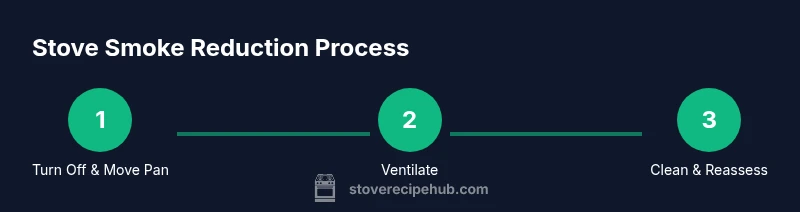
When you see smoke, your first job is safety. Turn off the burner and, if safe, move the pan away from the heat. Leave the pan on a heat-safe surface and step back to allow the flames or hot oil to cool. Open windows or switch on the exhaust hood to establish airflow and reduce the concentration of smoke. If you smell burning plastic or see a fire, evacuate and call emergency services. This section is about immediate, practical actions you can take in the moment to prevent harm.
Cleaning and Maintenance to Prevent Future Smoking
Regular cleaning is essential to prevent future smoking episodes. Start by removing grills, burner caps, and any detachable parts. Soak or wash them in warm, soapy water, rinse, and dry thoroughly before reassembly. Wipe the cooktop with a degreasing cleaner or a mild dish soap solution, paying special attention to grease pools around burners and in drip pans. For stubborn residue, sprinkle baking soda, let it sit, then scrub with a non-abrasive pad. Don’t forget to clean the hood, vent filters, and the area behind the stove where dust and grease accumulate. A clean hood exhaust improves air circulation and lowers smoke risk. Stove Recipe Hub highlights that ongoing maintenance is more effective when you schedule it as part of a regular routine rather than a sporadic deep clean.
Cooking Practices to Avoid Smoke
Prevention also comes from cooking practices. Use oil with a high smoke point (such as refined peanut, avocado, or safflower) for high-heat sautéing, and heat the oil gradually to avoid reaching its smoke point. Keep the pan slightly under-filled; overcrowding can cause uneven heating and more steam and smoke. Use a splatter screen when appropriate. If you’re sautéing foods that frequently release water or sugar, reduce the heat as soon as you see wisps of smoke and adjust the temperature accordingly. Always monitor oil temperature with a thermometer for consistent results. By adjusting your technique, you reduce the chances that food at the surface reaches smoke levels.
Gas Stoves: Flame, Burner, and Knob Tips
Gas stoves require a slightly different approach. If your flame is flickering, uneven, or producing smoke from the burner ports, turn off the burner and inspect the burner cap and ports for clogs. A blocked port can cause incomplete combustion and smoke. Ensure knobs are fully turned to the correct flame size and that the vent hood is functioning. Clean around the burner rings with a damp cloth and a gentle cleaner. If you notice a gas smell or suspect a leak, evacuate and call the gas company immediately.
When to Seek Professional Help
Sometimes smoke persists despite cleaning and safer cooking practices. If you still see consistent smoke after a thorough degreasing, or if you smell gas, hear hissing, or notice a persistent burning odor that doesn’t disappear after cleaning, contact a licensed technician. Carbon monoxide risk is real when cooking with malfunctioning equipment, so don’t delay. For gas stoves, if you suspect a leak at any time, leave the building and call emergency services.
Quick-Reference Checklists for a Smoke-Free Kitchen
Use this quick checklist after cooking to maintain a smoke-free kitchen:
- Wipe down after use, especially around burners.
- Check drip pans and cleanup grease promptly.
- Ventilate during and after cooking.
- Use heat-appropriate oil and avoid overheating.
- Schedule regular maintenance and professional inspections if needed.
The Stove Recipe Hub team recommends keeping a simple maintenance log and applying the steps above consistently to prevent smoky episodes.
Tools & Materials
- Dish soap(Gentle degreaser for surfaces)
- Warm water(For rinsing and dilution of cleaners)
- Degreasing cleaner(Kitchen-safe, non-corrosive)
- Sponge(Non-abrasive to protect surfaces)
- Soft brush or pad(Use on stubborn grease)
- Rags or paper towels(For quick dry and wipe-downs)
- Ventilation (range hood or fan)(Improve airflow while cleaning)
- Fire-safe lid or baking sheet(Smother small grease fires if safe)
- Heat-resistant gloves(Protect hands during hot cleanup)
- Stove-safe scraper(Remove burnt-on residue from grates)
- Baking soda(For gentle scrubbing and deodorizing)
- Vinegar(Natural cleaner and shine booster)
Steps
Estimated time: 30-45 minutes
- 1
Turn off the burner and move the pan
If safe to touch, switch off the burner to halt heat, then carefully lift the pan away with oven mitts and place it on a heat-safe surface. This stops additional fuel from feeding the smoke and reduces the risk of a flare-up.
Tip: Keep kids and pets away; have a dry cloth ready to wipe spills. - 2
Ventilate the area
Open nearby windows and turn on the exhaust hood on high. If you have a portable fan, position it to push air toward an exterior opening to clear smoke more quickly.
Tip: Ventilation is essential to reduce inhalation exposure and improve visibility. - 3
Check for visible fire and smother if needed
If flames appear, do not use water. Cover the pan with a metal lid or baking sheet to smother the fire, or sprinkle baking soda over the flames. Only attempt this if you can do so safely.
Tip: Keep a lid within arm’s reach when cooking with oil. - 4
Assess the pan and oil
If oil is visibly smoking but not on fire, remove the pan from heat and allow it to cool before discarding or saving the oil. Do not reuse heavily smoked oil for cooking.
Tip: Do not leave hot oil unattended while cooling. - 5
Clean the immediate area after cooling
Once cooled, wipe the surface around the burner with mild soap or degreasing cleaner. This prevents residue from burning again during subsequent use.
Tip: Use a non-abrasive sponge to avoid scratching surfaces. - 6
Disassemble and clean removable parts
Carefully remove grates or burner caps, wash them in warm soapy water, rinse, and dry thoroughly before reassembling. Inspect for cracks or damage and replace if necessary.
Tip: Clogged burner ports can cause incomplete combustion and smoke—as needed, use a soft brush to clear grime. - 7
Deep-clean the cooktop
Apply a degreaser to greasy patches, scrub with a non-abrasive pad, rinse with clean water, and dry completely before use. Wipe hood filters and the area behind the stove as grease accumulates there too.
Tip: For extra shine, finish with a vinegar wipe after the cleaner has dried. - 8
Adjust cooking practices to prevent future smoke
Switch to oil with a high smoke point for high-heat cooking, heat oil gradually, and avoid overcrowding the pan. Lower heat when you see wisps of smoke and monitor oil temperature with a thermometer.
Tip: Keep a spatula and splatter screen handy to manage splatter without overheating oil. - 9
Set up a maintenance routine
Create a simple weekly wipe-down and a deeper monthly cleaning schedule. Document any recurring issues and align cleaning tasks with your cooking habits.
Tip: Sticking to a routine reduces the chance of grease buildup that leads to smoking.
Common Questions
Why is my stove smoking even though I just started cooking?
Smoking often results from grease buildup, burnt food, or oil overheating. Regular cleaning and choosing appropriate heat can prevent repeated episodes.
Grease buildup, burnt food, or oil overheating are common causes. Regular cleaning and proper heat help prevent smoke.
Is it safe to ignore a small amount of smoke?
No. Even small smoke can indicate a hazard or buildup. Stop cooking, ventilate, and assess the area before continuing.
No. Smoke signals a potential hazard; stop cooking and check the stove before continuing.
What should I do if flames appear?
Do not use water. If safe, cover with a metal lid or baking sheet to smother the flames. If the fire persists, evacuate and call emergency services.
Do not pour water on flames. Cover with a lid to smother, and call for help if it continues.
How often should I clean the stove to prevent smoking?
Wipe down after each use and perform a deeper clean weekly or biweekly, depending on cooking frequency and oil usage.
Wipe after every use and deeper clean weekly or biweekly based on use.
Can a smoking stove be caused by the hood or vent?
Yes—grease buildup in the hood or vent filters can push smoke back into the kitchen. Clean or replace filters and ensure proper airflow.
Yes. Dirty vents can push smoke back; clean filters and ensure good airflow.
What if my stove keeps smoking after cleaning?
Persistent smoke after cleaning may indicate a malfunction or gas issue. Stop using the stove and consult a licensed technician or your gas provider.
If it still smokes after cleaning, stop using it and seek professional help.
Watch Video
Top Takeaways
- Identify grease buildup and clean it thoroughly.
- Ventilate the area before resuming cooking.
- Use moderate heat and monitor oil temperatures.
- Clean the cooktop and exhaust regularly to prevent smoke.
- Know when to call a professional for safety.