Popcorn on Stove Top: A Practical Guide
Learn to pop perfect popcorn on the stove top with a heavy pot, precise heat, and tasty toppings. This guide covers equipment, steps, troubleshooting, and flavor ideas for consistent, delicious results.


You can pop popcorn on the stove top using a heavy pot, oil, and a tight lid. Heat oil over medium, add kernels, cover, and shake occasionally until popping slows. Salt to taste after removing from heat. According to Stove Recipe Hub, fresh kernels yield the best flavor and even pops.
The Science Behind Popping Corn on the Stove Top
Popcorn kernels contain a small amount of moisture trapped inside their hulls. As the kernels heat, this moisture turns to steam, building pressure within the kernel until the hull bursts open with a characteristic pop. On the stove top, heat transfer from the oil and pan drives this process evenly, but the key is maintaining a steady, moderate temperature so most kernels reach popping temperature without burning. According to Stove Recipe Hub, understanding this heat dynamic helps home cooks achieve consistent results and fewer scorched batches. The goal is to have the kernels pop in a short, controlled window, while steam escapes safely through the lid’s vent—and without overheating the oil. With practice, you’ll learn the right balance of heat, moisture, and timing that yields light, fluffy popcorn rather than dense or chewy remnants.
Essential Equipment and Ingredients
The simplest stovetop pop requires a heavy, wide pot with a tight-fitting lid, a neutral-flavored high-heat oil, popcorn kernels, and a bit of salt. A lid is essential not only to trap steam and heat but to keep kernels from flying as they burst. Choose a pot in the 3-4 quart range so kernels can form a single layer before they begin popping; this helps prevent burning and scorching on the bottom. For oil, neutral options like canola, grapeseed, or light olive oil work well because they tolerate high heat without imparting bold flavors that compete with the popcorn. Keep salt separate to season after popping. Optional accessories include a silicone spatula for stirring and an oven mitt for handling the hot pot, plus a timer to track popping cadence. Always store kernels in a cool, dry place to preserve popping quality.
Kernel Quality, Freshness, and Storage
The quality and freshness of your popcorn kernels dramatically affect performance. Store kernels in an airtight container away from heat and moisture, and try to use fresh kernels rather than those stored for long periods. Older kernels may pop unevenly or yield more unpopped fractions. If you notice a lot of unpopped kernels, check the depth of oil and heat level, and consider rotating batches to maintain even heat distribution. For best flavor, you can experiment with a mixture of white and yellow kernels, but start simple with one variety to learn how it behaves on your stove.
Heat Management: Oil, Pan, and Temperature Cues
Oil choice influences both heat transfer and flavor. Heat should be steady but not aggressive; if the oil sizzles loudly or smokes, lower the heat a touch. You’ll know you’re at the right stage when a few kernels pop and the oil shimmers with a light film. If you hear a dramatic sizzle, lower the heat and give the kernels time to warm evenly before covering. When popping slows to a few seconds between pops, remove from heat and let the remaining steam finish without burning the popcorn. This timing balance prevents soggy popcorn and ensures light, crisp kernels.
The Popping Process: A Practical Overview
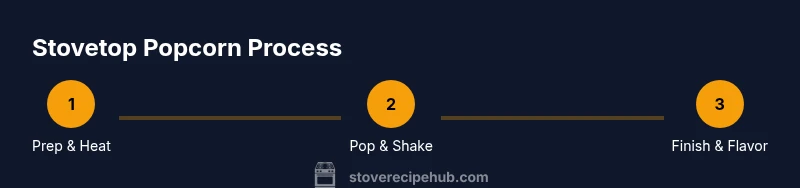
A practical approach begins with preheating the pot and oil to the right temperature, adding kernels in a single layer, covering, and then gently shaking the pot to keep kernels in motion and prevent scorching. Frequent but gentle movement helps distribute heat evenly and reduces the risk of a few kernels burning at the bottom. Listen for the cadence of pops: a high-intensity chorus gradually slows to a few seconds between pops, signaling that most kernels have burst. Remove promptly to avoid overheating and bitterness from burnt exteriors. Finally, season immediately while the popcorn is warm to maximize flavor absorption.
Troubleshooting Common Issues
Burnt popcorn is usually a sign of heat being too high or oil pooling at the bottom. If many kernels remain unpopped, the oil may not be reaching a high enough temperature, or there may not be enough kernel coverage in the first batch. If the batch tastes oily, reduce the amount of oil or consider a lighter oil and a faster cadence of shaking. For soggy popcorn, ensure you use enough ventilation and avoid sealing in steam for too long. Always use a lid that fits snugly to control steam without trapping excess moisture. Finally, if kernels foam or sputter aggressively, reduce heat slightly and adjust the batch size to prevent overflow.
Flavor Ideas, Toppings, and Variations
Once popped, the popcorn can be seasoned in countless ways. Classic options include a light dusting of fine salt and a dab of melted butter. For a dairy-free version, drizzle olive oil and nutritional yeast for a savory, cheesy note. For sweeter pops, a pinch of cinnamon or a light sugar glaze can be applied while the popcorn is warm so it adheres better. You can also experiment with chili powder, paprika, smoked salt, or nutritional yeast blends to match your mood. The key is adding toppings while the popcorn is hot so flavors cling to every kernel.
Safety, Cleanup, and Eco Tips
Popping popcorn on the stove top produces steam and hot oil, so use oven mitts and keep children away from the stovetop during popping. After finishing, remove the pot from heat and allow it to cool before washing. To minimize waste, scrape any leftover kernels into a compost bin if appropriate for your system. When storing leftover unpopped kernels, keep them sealed in a cool, dry place, and avoid moisture which can degrade performance. If you’re sensitive to smoke, consider using a smoke-venting hood or a small fan during popping to keep the kitchen air clear.
The Stove Recipe Hub Verdict: Best Practices for Consistent Results
Consistency comes from controlling heat, using quality ingredients, and practicing your shaking cadence. By choosing a suitable pot, a neutral oil, and fresh kernels, you can build muscle memory for popping on the stove top. The Stove Recipe Hub team recommends starting with a simple setup and gradually exploring oil choices and flavor profiles to discover your preferred method. With patience and careful technique, stovetop popcorn becomes a quick, cost-effective, and tasty snack that can be customized endlessly.
Tools & Materials
- Heavy, wide saucepan with lid (3-4 quart capacity)(Ensures kernels can spread in a single layer and heat evenly)
- Neutral oil (canola, grapeseed, or light olive oil)(High smoke point; flavor should not overpower popcorn)
- Popcorn kernels(Store in a cool, dry place; freshness matters)
- Fine or medium salt(Add after popping for best adhesion)
- Butter (optional)(Melted and added after popping for buttery flavor)
- Oven mitt or heat-resistant cloth(For safe handling of the hot pot)
- Measuring spoons or a small kitchen scale(Helpful for consistent oil quantity)
Steps
Estimated time: 8-12 minutes
- 1
Gather and prep equipment
Place the pot on the stove and assemble oil, kernels, salt, and any optional flavorings. Keeping everything ready minimizes delays and helps maintain steady heat once you start popping.
Tip: Have the lid handy and a timer nearby to track cadence. - 2
Preheat oil and test temperature
Add a thin layer of oil to the pot; when it shimmers or a test kernel sizzles, you’re close to the right temperature for popping.
Tip: Test with 1-2 kernels to avoid wasting unpopped kernels. - 3
Add kernels in a single layer and cover
Pour the kernels in one even layer, then cover the pot. The lid traps heat and steam so the kernels pop efficiently.
Tip: If kernels bunch, shake the pot gently to redistribute them. - 4
Shake and monitor popping cadence
Hold the lid slightly ajar or maintain a loose seal to vent steam as needed while shaking the pot to prevent scorching at the bottom.
Tip: Stop shaking when pops slow to 1-2 seconds apart. - 5
Finish popping and remove from heat
Take the pot off the heat as soon as popping cadence slows. Let residual heat finish any last kernels before removing the lid.
Tip: Season immediately for best flavor absorption. - 6
Season and serve
Sprinkle salt and add melted butter if desired, tossing to coat evenly. Serve hot and fresh for optimal texture.
Tip: Experiment with toppings like chili powder, paprika, or nutritional yeast.
Common Questions
Can I pop popcorn on the stove without oil?
Oil helps transfer heat and prevents kernels from sticking or burning. While it’s possible to pop with a small amount of oil, it’s not recommended to skip oil entirely for stovetop popping.
Oil helps heat transfer, so popping without any oil is not recommended for stovetop popcorn. A small amount of oil makes the process safer and more consistent.
Which oil is best for stovetop popcorn?
Neutral, high-heat oils such as canola, grapeseed, or light olive oil are ideal. They tolerate heat without overpowering the popcorn’s flavor.
Use a neutral, high-heat oil like canola or grapeseed for best results and flavor control.
Why are some kernels unpopped or burnt?
Unpopped kernels usually indicate inadequate heat or insufficient oil coverage; burnt kernels result from heat that’s too high or prolonged cooking. Adjust heat level and batch size to balance popping pace.
Unpopped kernels mean heat or oil coverage isn’t right; burnt kernels mean the heat is too high. Adjust the heat and shake the pot more.
How much salt should I add?
Add salt to taste after popping. Fine salt disperses more evenly and sticks better to hot popcorn.
Season after popping with fine salt; it sticks better to hot popcorn.
Can I pop a large batch at once?
Pop in batches that fit in a single layer to avoid overcrowding and uneven popping. If you must go larger, work in multiple rounds.
Pop in batches that keep kernels in a single layer; don’t crowd the pot.
Is stovetop popcorn healthier than microwave popcorn?
Stovetop popcorn can be as healthy as microwave versions when you control oil and toppings and avoid added artificial flavors. The key is mindful seasoning and portion sizes.
Stovetop popcorn can be a healthier option if you control oil and toppings and skip artificial flavors.
Watch Video
Top Takeaways
- Use a heavy pot with a tight lid for even heat.
- Fresh kernels pop more reliably than older ones.
- Shake the pot regularly to distribute heat and prevent burning.
- Season while hot to maximize flavor absorption.
- Experiment with toppings; popcorn is highly adaptable.