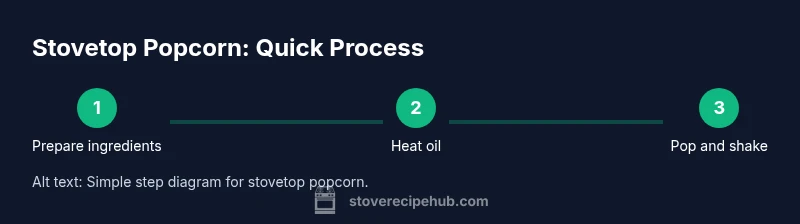
Stovetop Popcorn Mastery: The Ultimate Guide
Master stovetop popcorn with this practical, step-by-step guide. Learn the right pot, oil, kernel ratios, heat control, and delicious toppings for perfect popcorn every time.


Learn to make perfect stovetop popcorn in just a few minutes. You’ll need a heavy-bottom pot, a lid, oil, and popcorn kernels; heat evenly, use a measured seed-to-oil ratio, and shake the pot to prevent burn. This method yields fluffy, evenly popped kernels with minimal scorching.
Why stovetop popcorn is a kitchen staple
Stovetop popcorn offers a quick, theater-style snack with minimal equipment and fuss. For home cooks, it’s a reliable way to control texture, salt, and flavor without waiting for a microwave or takeaway. According to Stove Recipe Hub, the method is ideally suited for weeknights when you want something warm, comforting, and customizable. The basic idea is simple: heat a small amount of oil in a heavy-bottom pot, add a measured amount of kernels, keep the lid ajar to vent steam at the right moment, and listen for the pops. The precise oil-to-kernel ratio matters because oil transfers heat evenly and helps the kernels reach the popping temperature without scorching. If your kitchen environment is calm and you keep the heat steady, you’ll see consistent results across batches. Popcorn starches and moisture inside each kernel release as heat, expanding into fluffy pieces with a satisfying crunch. The beauty of this technique is its flexibility: you can adjust kernels for size, oil type for flavor, and seasoning for personal preference.
The right equipment and ingredients
You don’t need fancy gear to succeed; a good heavy-bottom pot with a snug-fitting lid is enough. The Stove Recipe Hub team recommends a pot that is at least 3 quarts, with a thick base to distribute heat evenly. Essential ingredients include popcorn kernels, a neutral oil with a high smoke point, and salt. Optional extras: butter for finishing, sugar for a kettle corn version, and flavorings like nutritional yeast, chili powder, or parmesan. For best results, measure precise amounts: roughly 1/3 cup kernels per 4-quart pot; adjust if you’re using a smaller pan. Keep a stove-safe spatula handy for stirring between pour and pop. Pre-warming ingredients helps keep the oil at an even temperature when you begin. Clean gear makes a big difference; a nonstick coating makes cleanup easier, and a stainless steel pot lasts longer. Always choose good oil with a high smoke point to avoid burning and unwanted flavors.
Kernel selection and oil choice
Not all kernels pop equally. Use standard yellow kernels for consistent size and a pleasing texture; white kernels pop a bit faster and produce a lighter bite. Store kernels in an airtight container away from heat and moisture. For oil, choose a high smoke point option such as canola, grapeseed, or light olive oil. Be mindful of flavor: butter or coconut oil adds richness but can smoke at lower temperatures. The oil is the vehicle that transfers heat to the kernel; using the right amount prevents scorching and ensures that moisture inside each kernel converts to steam at a steady pace. If you’re aiming for kettle corn, you can switch to lightly sweetened oil—just keep portions small to avoid oversweetness. Temperature consistency matters more than the exact oil type, but flavor choices will influence finish.
Measuring ratios and portions
A reliable starting point is about 1/3 cup of kernels for a 3- or 4-quart pot. This yields a dense batch with finished popcorn that isn’t too crowded. The oil should coat the bottom surface of the pan in a thin layer, enough to slick the kernels without pooling. If you see scorching, you’re likely using too much heat or too few kernels. When you hear steady pops, you’ve hit the sweet spot: heat is balanced and kernels are popping in concert. If you want larger, lighter popcorn, try a slightly lower kernel-to-oil ratio and shake more vigorously to distribute heat. If you’re using a smaller pot, scale down accordingly but maintain the same heat characteristics and venting. Always monitor the first few batches to calibrate for your stove’s quirks.
The essential technique: heat, shake, vent
This is the core of stovetop popcorn. Start by heating oil over medium heat until it shimmers; drop in 2-3 kernels and listen for a pop to confirm readiness. Add the full batch, spread kernels evenly, and cover with the lid slightly ajar to vent steam. Shake the pot gently in a semi-circular motion every 20-30 seconds to prevent sticking and ensure even heat distribution. The venting helps the steam escape, improving texture and reducing sogginess. When the pops slow to 2-3 seconds apart, remove the pot from heat and let the remaining kernels finish popping in the residual heat. Avoid peeking under the lid too often, which causes heat loss and longer cooking. This technique produces consistently fluffy popcorn with minimal burn risk when done steadily.
Flavor ideas to elevate stovetop popcorn
A world of flavor awaits beyond plain salted popcorn. For savory, try garlic powder, smoked paprika, chili powder, grated parmesan, or nutritional yeast for a cheesy, vegan finish. For sweet, whisk sugar with cinnamon or cocoa powder into the oil before popping, or dust with a light sugar-salt mix after popping. A simple lemon zest and herb drizzle can brighten the batch. If you like a buttery finish, drizzle melted butter after popping and toss well for even coating. For a bold experience, mix in a pinch of Tajín or chili-lime seasoning. Always taste and adjust salt after the batch to balance added flavors. Flavoring at the right stage—before, during, or after popping—depends on the oil and your method, so experiment with small tests.
Common mistakes and fixes
- Burnt popcorn: reduce heat, ensure proper venting, and avoid overcrowding; use more oil or a larger pan.
- Unpopped kernels: ensure your oil is hot enough, and don’t rush by cranking up the heat; you’ll scorch the batch instead.
- Stale or chewy texture: keep kernels dry and store properly; use a fresh batch for the best results.
- Sticking to the bottom: shake more and use a thicker pot; a heavy-bottom pan distributes heat more evenly.
- Uneven seasoning: toss while hot and use a lid to trap steam for better distribution.
This section helps you troubleshoot common outcomes and fine-tune your technique for consistent results.
Maintenance, storage, and cleanup
Wash the pot promptly to prevent oil residue from hardening; use warm soapy water for stainless or gentle scrub for nonstick. Store kernels in an airtight container away from light to maintain moisture. If you’re using flavored oils, clean the pot thoroughly to avoid flavor transfer to future batches. Regularly inspect the lid and vent to ensure safe operation. With proper care, your stovetop popcorn setup will stay reliable for many batches and movie nights.
Health considerations and safety tips
Popcorn is a relatively healthy snack when prepared with moderate oil and low-sodium toppings. Use a high smoke point oil to reduce the risk of burning and possible carcinogens. Keep a lid partly ajar to vent steam, and never leave a pot unattended on the stove. If your kernels pop unevenly, check storage conditions and humidity; moisture reduces popping efficiency. Discard any batch that smells burnt or tastes off.
Tools & Materials
- heavy-bottom pot with lid (at least 3 quarts)(Thick base distributes heat evenly)
- oil with high smoke point (canola, grapeseed, or light olive)(2-3 tablespoons for a 3-4 quart pot)
- popcorn kernels(1/3 cup per batch)
- stove-safe spatula or tongs(For stirring and turning)
- salt or seasoning(To taste after popping)
- butter (optional)(Finishing flavor)
- measuring spoons/cup(To measure ingredients)
Steps
Estimated time: 10-15 minutes
- 1
Measure and prep ingredients
Measure kernels and oil; set aside. Ensure you have a prep area with space for the pot, lid, and tasting area. This reduces delays and keeps heat stable from the start.
Tip: Prepare everything before turning on the stove to avoid rushing. - 2
Test oil temperature
Place 2-3 kernels into the oil and wait for a pop to confirm readiness. If they pop quickly, the oil is hot enough; if not, wait a few seconds longer or adjust heat.
Tip: Testing a few kernels avoids under or over heating a full batch. - 3
Add kernels and cover
Pour the full batch into the pot, spreading kernels evenly. Place the lid on the pot but leave it slightly ajar to vent steam.
Tip: Even distribution prevents clumping and ensures consistent popping. - 4
Vent and shake
Hold the lid slightly ajar and shimmy the pot from side to side every 20-30 seconds. This distributes heat, prevents scorching, and speeds up popping.
Tip: Shaking is more important than jostling vigorously. - 5
Listen for pops
Soon you will hear rapid pops that slow down to 2-3 seconds apart. When that happens, remove the pot from heat and let the remaining kernels finish popping in the residual heat.
Tip: Do not peek too often; heat escapes and slows popping. - 6
Season while hot
Pour the popcorn into a bowl, add salt or seasonings, and toss while still hot so flavors cling to the surface. If using butter, drizzle melted butter at this stage and toss.
Tip: Season in layers for even coverage. - 7
Taste and adjust
Give a small taste and adjust salt, sweetness, or heat. Reseal any leftover popcorn in an airtight container after cooling.
Tip: Store in a cool, dry place to keep freshness. - 8
Cleanup and reuse
Wash the pot and utensils promptly to prevent oil residue buildup. Dry thoroughly before storing to prevent rust or odor transfer.
Tip: A quick rinse after each batch keeps flavors clean.
Common Questions
Can I use butter instead of oil for popping?
Butter can burn at popping temperatures, so it is best used for finishing flavor after the batch. Oil provides a higher smoke point and more even heat transfer for the popping stage.
Butter can burn, so use oil to pop and add butter after popping for flavor.
What oil is best for stovetop popcorn?
Choose a high smoke point oil such as canola or grapeseed. Flavorful oils may alter taste; neutral oils help preserve popcorn flavor.
Use a high smoke point oil like canola or grapeseed for popping.
Why do some kernels not pop?
Unpopped kernels usually lack sufficient moisture or heat. Store kernels in a dry place and avoid humidity, which reduces popping rate.
Some kernels stay unpopped if they’re dry or not heated long enough.
Can I make kettle corn on the stovetop?
Yes. Use a small amount of sugar and a touch more oil, and pop at a steady medium heat. Stir to help the sugar coat the popped kernels.
You can make kettle corn by adding sugar with a touch more oil and stirring while popping.
Is stovetop popcorn healthier than microwave popcorn?
Stovetop popcorn can be healthier when using moderate oil and careful seasoning. Microwave popcorn can contain added fats and additives; control your toppings to keep it simple.
If you watch the oil and salt, stovetop popcorn can be a healthier option.
How should I store popped popcorn?
Store cooled popcorn in an airtight container to preserve crispness. Keep away from humidity and heat to prevent sogginess and staleness.
Cool it, seal it, and store in a dry place for best freshness.
Watch Video
Top Takeaways
- Measure kernels precisely
- Maintain steady medium heat
- Vent steam to prevent sogginess
- Shake often for even popping
- Season while hot for best adhesion