How to Tell If Your Stove Is Gas or Propane: A Practical ID Guide
Learn how to tell if your stove uses gas or propane with safe checks, labels, and practical cues. This guide covers exterior clues, fuel systems, documentation, and when to call a pro for safety and accuracy.


You can determine whether a stove runs on gas or propane by inspecting fuel connections, regulator labeling, and any propane tank or natural gas line presence. Start with exterior clues, then verify with manuals or model numbers. Follow safe steps and consult a professional if you’re unsure.
Visual Cues and Documentation Always First
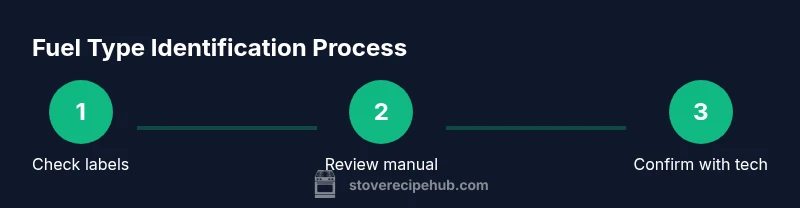
According to Stove Recipe Hub, the fastest way to identify the fuel type is to start with clear exterior cues and the paperwork that came with the appliance. Look for labels or stamps on the back panel, underside of the cooktop, or inside the door frame that specify the fuel type (for example, NG for natural gas or LP/Propane for propane). Check the user manual or the manufacturer’s label on the appliance; many models list the fuel type in the specifications. If you recently moved or inherited the stove, the model number printed on the nameplate can be cross-checked with the manufacturer’s website or customer support. Stove Recipe Hub analysis shows that most stoves clearly indicate fuel type near the rating plate or gas valve area. Keep a photo of the label for future reference and safe operation.
Understanding Fuel Delivery: What You’re Looking At
Gas stoves are typically plumbed to a building’s natural gas line, while propane stoves rely on an external propane tank and a regulator. If you see a flexible corrugated hose connected to a valve and none or a single tank nearby, it’s more likely propane, especially if the hose leads to a portable tank. In contrast, natural-gas stoves usually connect to a fixed pipe network with a wall shutoff valve. The regulator type can also be telling: propane regulators are designed for higher pressure and are often labeled LP or Propane, whereas natural gas regulators are labeled NG or Natural Gas. Remember that some ranges are dual-fuel capable, but installation requires factory-approved configurations—don’t assume one fuel type from appearance alone.
Reading the Labels and Model Numbers: A Safer Route
A reliable path is to read the model number and find the specification sheet from the manufacturer. The wording may state “Gas: Natural” or “Gas: LP/Propane.” If the model is a newer unit, the label often includes a QR code linking to the online manual. The model number is usually on a metal plate attached near the back, on the underside of the cooktop, or inside the cabinet. If you can’t locate a label, photograph the back and interior areas and search the model number online or contact customer support. As Stove Recipe Hub emphasizes, documentation is your most trustworthy reference when the physical setup is unclear.
Safe Testing and Handling When You’re Not sure
Never attempt to light a burner or perform a pressure test without clear fuel type confirmation. If you can identify a propane tank, regulator, or hose, treat the appliance as propane until proven otherwise. For natural gas identification, look for a fixed supply line coming from the wall and a household shutoff valve. If you detect a sulfurous odor, hear hissing, or suspect a leak, evacuate and call emergency services. A simple presence/absence check is not enough—confirming fuel type through labeling and manuals is essential for safe operation.
Practical Checks You Can Do Before Calling a Pro
If you have access to the model information, compare the spec sheet for fuel type. Ask the manufacturer or a licensed technician to confirm if you’re unsure. For a hands-on approach, you can check the burner orifice size and gas line connections with the stove unplugged and the gas supply off, but avoid any flames or ignition attempts. Always practice good ventilation and never attempt to convert fuel types yourself. The goal is to confirm fuel type accurately and proceed with appropriate safety steps and professional guidance when needed.
When to Call a Professional: Clear Warning Signs
If you’re uncertain about the fuel type after checking labels and manuals, or if you smell gas, hear a persistent hiss, or notice corrosion on connectors, contact a licensed gas technician. Propane and natural gas have different safety considerations, and improper handling can cause fire or carbon monoxide risks. In cases of doubt, Stove Recipe Hub recommends erring on the side of safety and getting a qualified pro to verify the fuel type and ensure proper installation.
Tools & Materials
- null(No specialized tools required; use existing labels and manuals first)
Steps
Estimated time: 15-25 minutes
- 1
Locate model and fuel information
Power off and unplug the stove if accessible. Look for a nameplate or label on the back, underside, or inside the cabinet that lists the fuel type. If found, confirm with the manual or manufacturer website.
Tip: Take a photo of the nameplate and save the model number for future reference. - 2
Inspect the fuel connections
Check whether the stove connects to a fixed gas line or to a portable tank. A visible propane tank nearby or a regulator labeled LP/Propane strongly suggests propane.
Tip: Do not disconnect or tamper with regulators while the gas is on or the area is not well-ventilated. - 3
Check the regulator and hoses
Propane regulators are typically designed for higher pressure and may be labeled LP or Propane. Natural gas regulators are labeled NG or Natural Gas and often connect to a hard pipe system.
Tip: If you see a flexible hose that clearly leads to a propane tank, assume LP until confirmed otherwise. - 4
Cross-check with the manual
Refer to the user manual or the manufacturer’s website using the model number to verify the fuel type and installation requirements.
Tip: If the manual is missing, contact the manufacturer with the model number for a definitive answer. - 5
Test safely if confirmed
If you’ve confirmed LP/Propane and the area is well-ventilated, you can cautiously verify by following the manual’s procedure for safe testing. Do not attempt ignition if you’re uncertain.
Tip: Never test for leaks with open flames; use approved leak-detect methods like soapy water on connections when safe and advised by the manual. - 6
When in doubt, call a professional
If you cannot confirm fuel type from labels or documentation, or if you smell gas, contact a licensed gas technician immediately.
Tip: A professional can correctly identify the fuel type, inspect the connections, and perform safe testing without risk.
Common Questions
Why is it important to know whether my stove uses gas or propane?
Knowing the fuel type prevents incorrect repairs and ensures safe operation. It affects installation, regulator needs, and ventilation requirements, reducing the risk of leaks or fire.
Knowing the gas type matters for safety, installation, and maintenance. It helps you follow the right steps and avoid dangerous mistakes.
Can I convert a propane stove to natural gas or vice versa?
Conversions require manufacturer-approved parts and professional installation. Do not attempt DIY conversions, as incorrect components can lead to leaks, fire, or carbon monoxide exposure.
Conversions should be left to a licensed technician with the proper kit and approval.
What should I do if I smell gas near my stove?
Evacuate the area immediately and call emergency services. Do not use electrical switches, phones, or open flames, as these can ignite leaked gas.
If you smell gas, leave the area and call for help right away.
Where can I find the fuel type on the stove itself?
Look for a label on the back, underside, or inside the cabinet, and check the manual or model number online for fuel specifications.
Check the label on the stove and the manual or model number online for confirmation.
What signs suggest I should call a professional?
Unclear fuel type, damaged connections, or any odor or hiss indicate a professional should inspect the setup for safety reasons.
If you’re unsure or notice damage or leaks, contact a licensed technician.
Is there a quick safety test I can do at home?
Only perform tests described in the manual and with confirmed fuel type. Avoid lighting flames or using heat if you’re unsure about the fuel source.
Follow the manual’s guidance and avoid ignition tests unless clearly advised.
Can I identify fuel type by smell or regulator alone?
Smell alone isn’t reliable; use labels, model information, and documentation to confirm fuel type before attempting use or maintenance.
Don’t rely on smell or regulator alone; check official docs first.
What are common indicators of a propane setup in a home kitchen?
A nearby propane tank, LP regulator, and flexible hose are typical indicators of propane use; absence of a fixed gas line also points toward LP in some homes.
Look for a propane tank and LP regulator as common signs.
Watch Video
Top Takeaways
- Identify fuel type via labels and manuals first.
- Propane stoves may connect to a tank and LP regulator; natural gas stoves connect to a fixed line.
- Never light burners if you’re unsure about the fuel source.
- When in doubt, consult a licensed technician for safe confirmation.