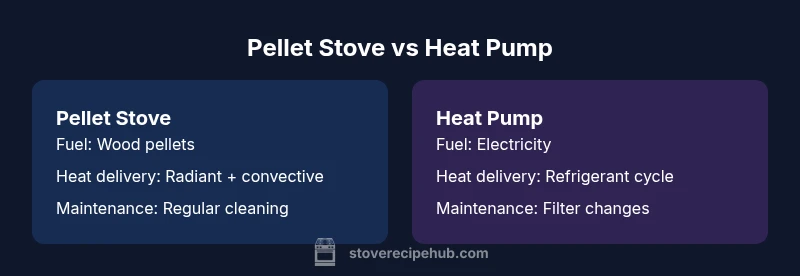
Pellet Stove vs Heat Pump: A Practical Comparison for Home Heating
Analyze pellet stove vs heat pump for home heating, covering cost, efficiency, climate suitability, maintenance, and environmental impact to help you choose the right heating technology.


When choosing between a pellet stove and a heat pump, the better option depends on climate, energy costs, and your goals for reliability and comfort. Pellet stoves shine as supplemental or off-grid heat, offering a cozy ambiance and independence from the electric grid. Heat pumps deliver year-round heating and cooling, especially in milder climates, with high overall efficiency and lower operating costs when electricity is affordable. Use the deeper analysis below to weigh climate, cost, maintenance, and environmental factors before deciding which system best fits your home.
Understanding the Core Question: pellet stove vs heat pump
Choosing between these two technologies hinges on how you value reliability, climate suitability, and total cost of ownership. The pellet stove relies on burning compressed wood pellets to generate heat, typically delivering radiant warmth and a cozy ambiance. A heat pump, by contrast, uses electricity to move heat from outside to inside (and vice versa for cooling), providing year-round comfort. For many households, the decision is not black-and-white; it’s about finding the right balance between upfront investment, ongoing fuel costs, and how much you value continuous heat during winter storms. According to Stove Recipe Hub, the choice between pellet stove vs heat pump is particularly climate-sensitive and depends on local energy prices, insulation, and the availability of pellets. The rest of this article dives into mechanism, economics, and practical deployment considerations to help you choose wisely.
wordCount": 0
Comparison
| Feature | Pellet stove | Heat pump |
|---|---|---|
| Fuel source | Wood pellets (biomass). Requires pellet storage and occasional handling | Electricity to run refrigerant cycle; no fuel storage |
| Primary heat delivery | Radiant and convective warmth from a free-standing stove or insert | Space conditioning via refrigerant cycle; can also provide cooling |
| Seasonal performance | Moderate to high efficiency; performance depends on pellet quality and stove design | High efficiency in moderate climates; performance declines as outdoor temps plummet |
| Cost considerations | Pellet cost plus stove maintenance; installation varies by venting requirements | Upfront equipment cost; ongoing electricity cost; potential rebates or incentives |
| Ventilation/space | Vent or chimney required; room venting for combustion air, ash disposal | Outdoor unit and indoor air handling; generally quieter operation but requires space for outdoor component |
| Maintenance | Regular ash removal and cleaning; periodic chimney/vent inspection | Filter changes and annual service; some models require refrigerant checks |
| Best climate fit | Off-grid homes or where pellet supply is reliable; backup heat in power outages | Mild to cool climates with access to affordable electricity; includes cooling in summer |
Upsides
- Provides a reliable, cozy heat source in off-grid or backup scenarios
- Pellet stoves offer a tangible, ambient heating experience
- Heat pumps deliver year-round climate control, including cooling
- Both systems benefit from proper insulation and air sealing for efficiency
Downsides
- Pellet stoves require pellet procurement, storage, and regular cleaning
- Pellet emissions, while low, require good venting and maintenance
- Heat pumps can have high upfront costs and potentially reduced efficiency in very cold conditions
- Performance depends on climate, insulation, and system sizing; neither is a universal solution
Choose based on climate and energy costs: pellet stoves for supplemental/off-grid heat; heat pumps for year-round comfort where electricity is affordable.
A climate-informed approach yields the best long-term value. Pellet stoves excel where grid power is unreliable or pellet supply is cheap; heat pumps excel in moderate climates with favorable electricity rates and a desire for cooling capabilities.
Common Questions
Which is more energy efficient, a pellet stove or a heat pump?
In general, heat pumps offer higher overall efficiency across a heating season, especially in moderate climates. Pellet stoves can be efficient for space heating or as a supplemental heat source, but their efficiency depends on pellet quality and stove design. The best choice depends on climate, usage patterns, and electricity costs.
Heat pumps usually use energy more efficiently overall, especially in milder climates. Pellet stoves are efficient for space heating but depend on pellets and stove design.
Can I rely on a pellet stove as my primary heat source?
Yes, in some homes a pellet stove can serve as the main heat source, particularly in well-insulated homes or rural settings with reliable pellet supply. However, this usually requires backup heat for extremely cold days and careful fuel management. Consider total cost and maintenance when sizing for primary heating.
It's possible to rely on a pellet stove as primary heat in the right home, but have a plan for very cold days and fuel supply.
Do heat pumps work well in very cold climates?
Heat pumps can operate in cold weather, but performance and efficiency decline as outdoor temperatures drop. Some cold-climate heat pumps are designed to mitigate this, but homeowners in extreme cold should plan for supplementary heat or hybrid configurations. Proper sizing and insulation matter greatly.
They work in cold weather but get less efficient when it's very cold; you may need backup heat.
What maintenance does a pellet stove require?
Pellet stoves require regular cleaning, ash removal, and periodic inspection of venting and gaskets. Pellets should be stored in a dry place to prevent moisture, which can affect burning efficiency. Schedule professional servicing at least once a year for optimal performance.
Regular cleaning and maintenance keep a pellet stove burning cleanly and efficiently.
Is a pellet stove or heat pump better for small apartments?
For small spaces, a pellet stove can be a compact supplemental heat source if venting is feasible, but heat pumps provide steady temperature control without combustion byproducts. In apartments, consider building rules and ventilation requirements before selecting.
In small spaces, heat pumps offer steady climate control, but check building rules for pellet stoves.
Are there financial incentives for pellet stoves or heat pumps?
Many regions offer rebates or tax credits for efficient heating systems, including some pellet stoves and heat pumps. Availability varies by location and program; check local energy offices and utility programs for current incentives and eligibility requirements.
Look for local rebates or tax credits for efficient heating systems; programs vary by location.
Top Takeaways
- Assess climate and energy prices before choosing
- Plan for maintenance and fuel logistics with pellet stoves
- Consider efficiency and comfort needs across seasons with heat pumps
- Insulate well to maximize either option's performance
- Explore incentives and rebates available in your area