Gas Stove Issue Troubleshooting Guide
A practical, urgent troubleshooting guide from Stove Recipe Hub to diagnose and fix common gas stove issues safely. Learn step-by-step checks, safety tips, and maintenance to prevent future problems.


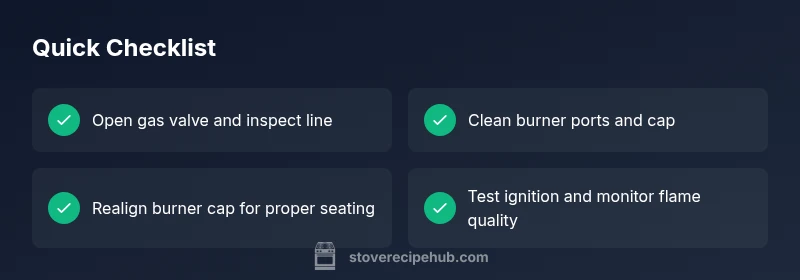
Gas stove issue symptoms usually involve ignition failure or an uneven flame. Quick fixes include: make sure the gas supply valve is fully open, clean clogged burner ports, and reseat the burner cap so it sits flat. If ignition still won’t click, turn the knob to off, wait 10 seconds, then try again. If flames stay yellow or sputter, stop using it and call a licensed pro.
Common Gas Stove Issues and Immediate Safety First
When the topic of gas stove issue arises in a busy kitchen, safety must come first. A malfunctioning gas stove can pose fire risks, carbon monoxide exposure, and gas leaks if ignored. In this section we cover the most frequent problems seen in home kitchens and how to respond quickly to protect your household. The first symptom cooks notice is ignition failure: the burner clicks but won’t light, or lights briefly and goes out. Common causes include a closed gas valve, a blocked burner port, or a misaligned burner cap. Open the gas valve fully, inspect the line for kinks, and reseat the cap so it sits flat. If you hear sparking but no flame, remove the burner and clean the ports with a soft brush or a pin to clear obstructions.
Next, flame quality matters. A yellow or uneven flame is a red flag signaling incomplete combustion, which raises carbon monoxide risk. In that case, extinguish the flame, turn off the knob, and allow the area to ventilate. Clean the burner thoroughly and re-test. If the flame remains irregular after cleaning, check the regulator and hose for damage or leaks and consider replacing worn components. Finally, a gas odor or hissing sound is a clear emergency. Do not operate switches or flames, evacuate, and contact your gas provider or local emergency services immediately. Routine maintenance and proper burner alignment help prevent most issues. Regular cleaning removes oils and debris that block ports and compromise ignition.
Throughout the repair process, always work in a well-ventilated area and avoid over-tightening parts. If any step feels uncertain, or if you detect a strong gas odor, stop and seek professional support. The goal is safe, reliable ignition and consistent flames, with minimal risk to your household.
Quick Diagnostic Checklist to Start Troubleshooting
Diagnosing a gas stove issue begins with a calm, methodical approach. Start with quick, non-technical checks that can reveal obvious problems and guide you toward safe next steps.
- Check the gas supply valve: Ensure it’s fully open and that the line isn’t kinked or blocked. A closed valve is an extremely common reason a stove won’t light.
- Verify burner components: Make sure the burner cap, grate, and ports are properly aligned and free of debris. Misalignment or residue can prevent ignition and cause uneven flames.
- Inspect for visual clues: Look for a yellow flame, irregular soot, or sizzling sounds that indicate incomplete combustion or leaks. Any strong gas odor requires evacuation and emergency help.
- Test the ignition: If your stove uses an electric spark, listen for a click or see a spark when turning the knob. A silent ignition points to an electrode or wiring issue.
- Clean and re-test: Remove the burner, clean ports with a soft brush, and reassemble. Repeat ignition tests to assess improvements.
- Safety first: If you smell gas, evacuate immediately and contact the gas company or emergency services. Do not attempt repairs yourself.
If you complete these steps and the stove still misbehaves, you’re ready to follow the diagnostic flow into root causes and solutions in the next sections.
Diagnostic Flow: Symptom to Solution
This diagnostic flow translates common symptoms into a straightforward decision path. Start with the most frequent, easily-addressed causes and progress to more involved repairs as needed.
- Symptom: Ignition fails to light or flame extinguishes quickly
- Diagnosis: Likely a closed valve, clogged ports, or misaligned cap
- Solutions: Open valve fully, clean ports, reseat cap; test ignition again. If still failing, inspect regulator/hose for leaks and consider professional service.
- Symptom: Yellow flame or sputtering flame
- Diagnosis: Incomplete combustion or air/fuel mix imbalance
- Solutions: Clean ports and verify fuel supply; ensure proper air intake; if persistent, check regulator and replace damaged components.
- Symptom: Gas odor or hissing sound
- Diagnosis: Potential gas leak or line issue
- Solutions: Evacuate, call emergency services or gas utility; do not attempt to repair a potential leak.
- Symptom: Ignition clicks but flame doesn’t stay lit
- Diagnosis: Dirty electrode or spark path, or moisture
- Solutions: Dry and clean the area; attempt relighting; if needed, replace the electrode.
- Symptom: Regulator or hose feels hot or shows wear
- Diagnosis: Component wear or damage
- Solutions: Stop using the stove and replace the regulator or hose through a qualified technician.
This flow helps you identify the likely root cause and select a safe, effective fix while avoiding risky, self-directed repairs on critical gas components.
STEP-BY-STEP: Fix the Most Common Cause
This step-by-step guide focuses on the most common and safest fix: cleaning and realigning the burner and ports. Follow these steps in order, pausing if you encounter safety concerns.
- Turn off the stove and then the main gas supply if you suspect a leak. Allow any residual gas to dissipate in a ventilated area.
- Remove the burner cap and grates. Inspect the burner ports for visible debris and clear them with a soft-bristled brush or a pin. Do not force debris that could damage delicate ports.
- Clean the burner cap and ports with warm, soapy water. Dry completely before reassembling. Dirt buildup is a primary cause of ignition and flame irregularities.
- Re-seat the burner cap so it sits evenly. Ensure the cap aligns with the burner base; an uneven cap can block the ignition path.
- Reassemble, then test ignition. If you hear a solid, consistent spark and the flame lights smoothly, run the burner on low and gradually increase to verify stability.
- If ignition still fails or the flame remains yellow or uneven, inspect the regulator and hose. Look for cracks, kinks, or heat damage. If you see damage, do not use the stove and contact a licensed technician.
Tip: Keep a small brush and a soft cloth handy for quick cleanings. Regular light maintenance prevents most ignition and flame problems.
Estimated time: 25-40 minutes depending on accessibility and extent of cleaning.
TIPS & WARNINGS: Safety and Prevention
- Safety first: If you smell gas, evacuate and call the gas company immediately. Do not operate electrical switches or light flames in the area.
- Ventilation matters: Use exhaust fans or open windows when running the stove during troubleshooting to dilute any potentially dangerous gases.
- Regular maintenance: Clean burners monthly, inspect hoses and regulators every six months, and replace worn components promptly.
- Don’t improvise: Gas systems are complex and hazardous. If you’re unsure at any step, stop and contact a professional.
- Documentation: Keep a simple maintenance log. Note dates of cleaning, part replacements, and any issues observed to help technicians diagnose future problems more efficiently.
How to Tell If You Need a Pro Help
Some gas stove issues require professional assistance to ensure safety and proper operation. If you detect gas odor, hear hissing, see scorch marks, or the flame won’t light after thorough cleaning, it’s time to contact a licensed technician. A pro can check gas lines, regulator integrity, ignition electrodes, and concealed damage that isn’t visible to the naked eye. Regular service visits can prevent costly repairs and keep your kitchen safe.
Let’s Understand Common Gas Stove Configurations
Gas stoves come in single, double, or sealed burner configurations, each with unique maintenance needs. Single-burner models are typically easier to service, while sealed burner designs reduce spillover but can trap debris if not cleaned regularly. Understanding your model helps you apply the appropriate cleaning methods and safety precautions. For most home cooks, a standard four-burner gas stove will follow the same principles: ensure an unobstructed fuel path, clean ports, realign caps, and verify ignition components. Always consult the user manual for specific disassembly instructions and torque requirements.
Steps
Estimated time: 30-45 minutes
- 1
Ensure safety and power down
Turn off the stove and the gas supply if you suspect a leak. Open windows for ventilation and avoid flames or electrical switches until the area is confirmed safe.
Tip: Always start with safety; gas leaks are dangerous. - 2
Check gas supply and valve position
Confirm the main gas valve and range valve are fully open. If you use a gas line shutoff, ensure it’s in the on position before testing ignition.
Tip: A simple valve check solves many ignition issues. - 3
Remove and clean burner components
Take off the burner cap and grate. Clean ports with a soft brush; rinse away debris and dry thoroughly before reassembly.
Tip: Dry ports completely to prevent moisture from affecting ignition. - 4
Realign burner and test ignition
Re-seat the burner cap so it sits flat and aligns with the ports. Turn the knob to ignite and observe a steady spark and flame.
Tip: If ignition is intermittent, test alternate burners to gauge consistency. - 5
Inspect regulator and hoses
Look for heat damage, cracking, or wear along hoses. If anything looks compromised, discontinue use and contact a pro.
Tip: Don’t attempt to bend or repair a damaged gas hose. - 6
Conclude with a test run
Light all burners on low, then gradually increase to verify stability. Note any unusual sounds or soot buildup.
Tip: Document any recurring symptoms for the technician.
Diagnosis: Gas stove won't light or gas flame is irregular
Possible Causes
- highGas supply valve closed or interrupted line
- highClogged burner ports or misaligned burner cap
- mediumFaulty ignition electrode or dirty spark path
- lowDamaged regulator or hose connection
Fixes
- easyOpen gas valve fully and check for line kinks; re-test ignition
- easyRemove burner, clean ports, and reseat cap; re-test
- mediumInspect and clean/replace ignition electrode; ensure spark path is dry
- easyInspect regulator and hose for wear; replace if damaged; call a professional
Common Questions
What should I do if I smell gas in my kitchen?
Evacuate immediately and call your gas utility or emergency services from a safe location. Do not operate lights or switches, and avoid using phones near the area. A professional should assess any potential leak before use.
If you smell gas, evacuate now and contact the gas company or emergency services. Do not try to fix the leak yourself.
Why won’t my gas stove ignite even though I hear a click?
The issue could be dirty ports, a misaligned cap, or a faulty ignition electrode. Clean the burner ports, reseat the cap, and test again. If it still won’t light, inspect the electrode and wiring or contact a technician.
If you hear a click but no flame, clean the ports and check the cap. If it still fails, the electrode or wiring may need service.
Is a yellow flame dangerous and what should I do?
A yellow flame indicates incomplete combustion and potential CO buildup. Stop using the affected burner and consult a professional if the flame remains yellow after cleaning.
A yellow flame means incomplete combustion. Stop using that burner and call a pro if it won’t settle after cleaning.
How often should I clean burner ports?
Clean burner ports monthly or whenever you notice reduced flame performance. Regular cleaning helps maintain ignition reliability and fuel efficiency.
Clean ports monthly or when you notice poor flame. Regular care keeps the stove working well.
When is it necessary to replace parts like hoses or regulators?
Replace hoses or regulators if they show wear, cracking, or heat damage. Do not attempt DIY fixes on these components; a licensed professional should handle replacements.
Replace worn hoses or regulators; if damaged, a pro should handle it.
Can I troubleshoot a gas stove myself if there’s no gas leak?
Yes, you can perform basic checks like valve position and port cleaning. Avoid disassembly of gas lines or regulators beyond user-accessible components. If problems persist, contact a licensed technician.
You can do basic checks, but don’t tamper with gas lines; call a pro if it continues.
Watch Video
Top Takeaways
- Identify safety-first approach before troubleshooting
- Start with simple checks: valve position and port cleanliness
- Use the diagnostic flow to determine root cause
- Call a professional for leaks or damaged components
- Maintain a maintenance schedule to prevent future issues