How to Know When Your Stove Is Preheated: A Practical Guide
Learn practical, stove-top methods to determine when your stove is properly preheated. This guide covers quick tests, timing guidelines, safety, and expert tips for accurate results.


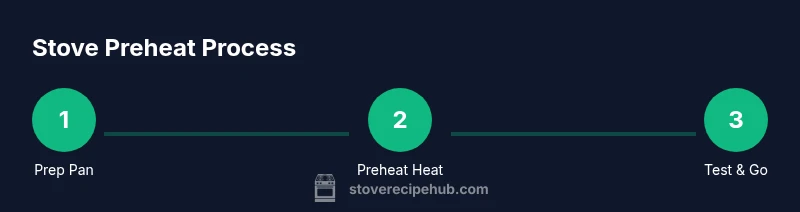
On a stove, you know it’s preheated when the surface feels hot and ready for cooking. For gas stoves, expect 5–7 minutes on medium-high after ignition; for electric coils, preheat 6–8 minutes. Do a quick test like dripping water to see a lively sizzle or place a drop of oil to shimmer. Always use appropriate cookware.
Why Knowing Preheat Matters
According to Stove Recipe Hub, preheating your pan or surface ensures even browning, better searing, and more predictable results in sautés, sears, and sauces. When you preheat correctly, the first contact with food reduces sticking, creates a superior crust, and minimizes overall cook time. This section explains the science behind heat transfer on different stove types and why a reliable preheat is worth the small wait. You’ll learn how to balance heat, timing, and cookware to achieve consistent outcomes in everyday stove-top cooking. Color, aroma, and texture cues all rely on a properly heated surface, so getting this right pays dividends in flavor and texture across many recipes.
Indicators That Your Stove Is Preheated
Preheating isn’t magic; it’s a consistent state of heat. You’ll notice a pan that feels uniformly warm to the touch, a surface that is too hot to touch for more than a second, and foods that respond immediately when added. A quick water or oil test can confirm readiness: water droplets should sizzle and dance almost instantly, while a small amount of oil should shimmer and spread evenly. On gas stoves, a stable blue flame under the pan confirms heat transfer, while electric coils should glow with a steady red/amber glow. If you can hold your hand a safe distance above the surface and feel heat rising evenly, you’re in the green zone. These cues translate to reliable browning, better sautéing, and more even cooking.
Quick Visual Tests for Gas vs Electric Stoves
Gas stoves and electric stoves behave differently when you’re preheating. Gas burners heat quickly and create a direct flame; when preheated, the pan will glow uniformly with a consistent shimmer on the bottom surface. Look for a stable, evenly heated patch rather than hot spots. Electric coils take longer to come up to temperature; the coils glow red and the pan should heat evenly as oil or water interacts with the surface. A practical approach is to test with a tiny amount of water or oil on the pan’s center; if the water bead sizzles into a broad, animated edge pattern and the oil shimmers without smoking aggressively, your pan is ready. In both cases, pause briefly between tests to confirm consistency across the whole cooking area.
Time-Based Guidelines for Preheating
General guidelines vary by stove type and pan material. Gas stoves usually reach preheat on medium-high in about 5–7 minutes for most flat-bottom pans. Electric coils typically require 6–8 minutes, and cast iron or heavy steel pans may need 2–3 extra minutes to reach a uniform temperature. Nonstick pans can heat faster at lower settings, but you should avoid overheating the coating. For safety and efficiency, start with the recommended times, then use the water or oil test to fine-tune. If you’re using a very large pan or a dense skillet, allocate additional minutes to avoid inconsistent heat.
How to Test Temperature If You Need Precision
If you want precise heat capacity readings, use an infrared thermometer aimed at the pan surface, not the air above it. A probe thermometer can be used to monitor oil temperature once you’ve added a small amount to the pan. Target temperatures vary by recipe: for searing, you’ll want a surface around a medium-high range that produces a quick sear; for sautéing, a slightly cooler range is ideal to avoid burning aromatics. When in doubt, rely on the finger-pelt test (carefully) combined with a visual test of oil shimmer. Precision helps with delicate sauces and high-heat searing alike.
Common Mistakes and How to Avoid Them
Rushing preheating leads to underdeveloped fond and uneven browning. Skipping the preheat step, using too-low heat, or overcrowding the pan can sabotage results. Never guess the surface temperature by aroma alone—visual cues can be misleading, especially with thick pans or tempered glass. Always choose the right pan for the job, start with the manufacturer-recommended heat setting, and then test with water or oil to confirm readiness. Regularly inspect your burner flames or coil heat to ensure consistent preheating across sessions.
Safety Tips for Stove-Top Preheating
Stove-top preheating involves heat, steam, and sometimes oil in motion. Keep flammables away from the cooktop, and never leave a heating pan unattended. Use heat-resistant gloves when moving hot pans, and maintain a clear work area to prevent accidental spills. If you smell burning or see smoke, cut the heat immediately and remove the pan. For gas stoves, ensure proper ventilation and check for gas odors. For electric stoves, avoid overheating nonstick coatings. Following these safety practices reduces risk while improving consistency.
Practical Troubleshooting Scenarios
If you notice hot spots or cold spots after preheating, your pan may be warped or the burner may not be distributing heat evenly. Re-center the pan, rotate during preheating, or switch to a different burner if possible. If the flame struggles to light on a gas stove, inspect the burner ports and ensure the control knob is functioning correctly. In some cases, a simple burner cleaning can restore consistency. If you’re unsure, perform the water test again after adjustments to confirm the surface remains evenly heated.
Implementing Preheat in Your Recipes
Knowing when to preheat is essential for recipes requiring rapid browning or delicate timing. For seared meats, preheating ensures the crust forms immediately, locking in juices. For stir-fries, a hot pan reduces moisture, producing crisp-tender vegetables. For delicate sauces, preheating the pan to the right temperature helps prevent scorching. If you cook with cast iron regularly, adjust your preheat time for heavier pans and sturdy cookware. By incorporating a reliable preheat routine, you’ll see consistent results across a wide range of stove-top recipes.
Tools & Materials
- Skillet or pan (heat-safe, flat-bottom)(Cast iron, stainless steel, or nonstick depending on recipe)
- Instant-read or infrared thermometer(Use for precise surface temp, especially with delicate sauces)
- Kitchen timer(Tracks preheat duration and cooking steps)
- Heat-resistant oven mitts(For safe handling of hot pans)
- A small amount of cooking oil or water(Used for the shimmer or sizzle test)
- Cookware spatula or tongs(Helpful for adjusting pan position during preheat)
Steps
Estimated time: 8-12 minutes
- 1
Select the right pan
Choose a pan that matches the recipe and evenly conducts heat. Clean, dry the pan and place it on a burner set to the appropriate heat level (usually medium-high for preheating). This step ensures consistent heat transfer and prevents sticking.
Tip: A flat-bottom pan ensures uniform contact with the burner for even preheating. - 2
Preheat the burner
Turn the burner on to the target level (commonly medium-high for most recipes). Allow the pan to heat for several minutes until you observe steady heat at the surface. Do not rush this step, as uneven preheat can lead to poor browning.
Tip: Give the pan a head start of a few minutes before testing; rushing can create hot spots. - 3
Perform a water test
Dampen a few droplets of water and drop them into the pan. If they bead and skitter across the surface for several seconds before evaporating, the surface is approaching readiness. If they sizzle and spread quickly, the surface is already hot.
Tip: If the water dances immediately, slightly lower the heat to prevent burning. - 4
Test with oil for shimmer
Add a tiny amount of oil to the center of the pan. Look for a thin, even shimmer across the surface and a slight ripple when you tilt the pan. This indicates the oil is at a proper preheat and ready for searing.
Tip: Avoid smoking oil; reduce heat if you see heavy smoke. - 5
Confirm even heat
Rotate the pan and test additional spots with water or oil. The whole cooking surface should respond similarly, not just one edge. If you notice uneven heating, adjust flame distribution or switch to a different burner.
Tip: Carry out this check especially with large pans or multiple burners. - 6
Proceed with cooking
Once the pan shows even heat, proceed with your recipe. Add ingredients in the order required, maintain the recommended temperature, and monitor for signs of sticking or burning.
Tip: Keep hands away from the hot surface and maintain a clean work area.
Common Questions
What does preheating a stove actually do?
Preheating brings the cooking surface to a stable temperature, improving browning, reducing sticking, and ensuring consistent cooking. It creates a reliable base so foods sear properly and sauces emulsify smoothly.
Preheating makes the pan hot and ready, which helps searing and even cooking.
How can I tell if my pan is preheated without a thermometer?
Use the water test or oil shimmer test. A few water droplets should bead and sizzle, while a drop of oil should shimmer evenly. Visual cues from the pan surface often indicate readiness.
Check if the water beads and sizzles, or if the oil shimmers evenly on the pan.
Does preheating apply to all cookware types?
Most pans benefit from preheating, but heavy cast iron takes longer. Nonstick pans need careful heat management to avoid coating damage. Adjust times based on pan material and recipe.
Yes, but adjust timing for cast iron versus nonstick pans.
What if I don’t have an infrared thermometer?
Rely on the water and oil tests and observe the pan’s behavior. If you consistently see good browning with controlled heat after your tests, you’re likely preheating correctly.
If you don’t have a thermometer, use the water or oil tests and watch for even browning.
How long should preheating take for a large skillet?
Larger skillets can require 1–2 extra minutes for even heat distribution. Start with the standard time and verify with tests across the cooking surface.
Give it a minute or two longer and test across the surface.
Watch Video
Top Takeaways
- Preheat ensures even browning and searing
- Water or oil tests confirm readiness
- Gas and electric stoves require different preheat times
- Always prioritize safety when preheating