How to Stop a Stovetop Fire: Quick, Safe Guide
Learn proven, practical steps to stop a stovetop fire quickly and safely. From grease fires to gas stoves, this guide covers prevention, immediate actions, extinguisher use, and aftercare.


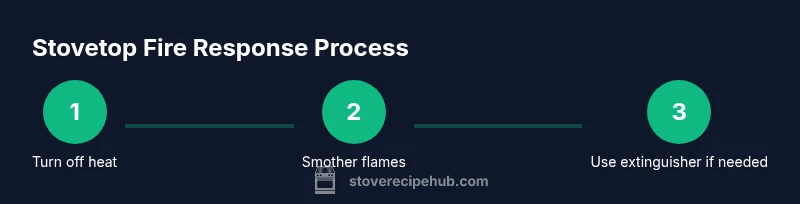
You can stop a stovetop fire by staying calm, turning off heat, and covering the flames with a metal lid or baking sheet. For small fires, use a Class ABC extinguisher or baking soda. If the fire grows or you feel unsafe, evacuate immediately and call emergency services. Call for help if you cannot control it within minutes.
Understanding Stovetop Fires and Why They Happen
Fires on the stove usually start when heat and fuel combine in ways that lead to rapid flame growth. The most common culprits in home kitchens are grease and oil, which can ignite when their temperature climbs above their smoke point. Dry foods can also smolder and flare up if left unattended, especially if a pot overheats. Understanding the dynamics helps you act quickly and safely. According to Stove Recipe Hub, practical prevention begins with clean surfaces, properly sized cookware, and attentive cooking habits. When a flame appears, the instinct to grab the pan and move it can be strong, but this can spread flames or spill hot contents. Instead, focus on removing the heat source and containing the fire. Modern kitchens also benefit from smoke alarms and good ventilation, which reduce the risk of smoke inhalation and improve visibility during an incident. In this section you will learn to identify the type of fire, how it typically starts, and the mindset that keeps you and others safe while you respond. Awareness is your first line of defense in preventing a small flame from becoming a dangerous blaze.
Immediate Actions the Moment You Detect Fire
The moment you notice flames, your priority is safety and rapid control. Begin by turning off the burner at the knob to stop feeding the fire and reduce further heat. If the pan is safely accessible, slide it away from the flame and onto a cool, nonflammable surface rather than picking it up, which can spill burning contents. Do not attempt to move a heavily weighted pot or a pan with blazing contents unless you can do so without risking burns or spreading flames. If flames are spreading or you cannot safely contain them, evacuate immediately and call emergency services. Smoke or gas leaks require immediate attention; if you smell gas or hear a hissing sound, leave the area and call the gas supplier or emergency responders from a safe location. The moment you finish this step, reassess whether you can safely proceed with smothering or extinguisher use. The surest path to safety is a calm, deliberate sequence rather than frantic, unplanned moves.
How to Smother a Grease Fire Without Making It Worse
Smothering is one of the most reliable methods for small grease fires. Place a sturdy metal lid or baking sheet over the pan to seal off oxygen. Do not lift the lid while flames are present; this can re-ignite. If you don’t have a lid, a baking sheet or a large, flat pan can work in a pinch. After covering, turn off the heat and allow the pan to cool completely before handling. Keep a safe distance and avoid leaning over the pan while it’s under the lid. If flames persist after a lid is placed, prepare to use a fire extinguisher. Baking soda can also be used for small fires, but do not attempt to smother large flames with powders. Water must never be used on hot oil fires; it can cause a violent eruption. Throughout this process, keep others away from the area and monitor everyone for signs of smoke inhalation.
Fire Extinguishers: When and How to Use Them
A Class ABC extinguisher is suitable for most kitchen fires, including grease fires. Stand a safe distance away from the flames, pull the pin, aim at the base of the fire, and squeeze the handle in a sweeping motion. If you are not sure you can reach the fire safely, evacuate and call for help. Do not turn your back on the fire; flames can rekindle or spread rapidly. For smaller, contained fires, baking soda can be a temporary alternative, but it is not a substitute for a properly rated extinguisher. After use, the extinguisher should be inspected and the area ventilated to remove smoke and fumes. Training and knowing where your extinguisher is located before an incident saves precious seconds during a real emergency.
Gas-Stove Specific Guidance and Leak Precautions
Gas stoves add an extra layer of risk due to potential gas leaks. If you smell gas, do not operate lights or electrical switches, and leave the area immediately. Shut off the gas supply at the valve if it is safe to reach it, but only if you can do so without re-entering a hazardous space. Ventilate the area by opening doors and windows once you are at a safe distance. If the fire is the result of a gas appliance ignition, do not attempt to override a flame with water; instead, use an extinguisher or smother the flame as described above. If you notice persistent gas odor after you’ve addressed the immediate flame, contact your gas provider or emergency services.
Prevention, Maintenance, and Safe Kitchen Habits to Reduce Stovetop Fires
Preventing fires starts long before cooking begins. Clean up oil and grease residues from stovetops and pans, keep sleeves rolled up, and avoid loose clothing. Use the right pan size for the burner to prevent oil from splashing onto the flame. Maintain a clean vent hood and replace clogged filters to improve airflow. Always monitor oil temperature and never leave hot oil unattended. Have a deliberate plan for dealing with small fires: identify a safe exit path, know your extinguishing options, and keep your extinguisher within reach. Practice makes prevention practical: run through a quick drill with family members and guests so everyone knows where to find safety gear and how to act, especially when a fire starts. Stove Recipe Hub emphasizes that the best response combines prevention with calm, methodical action to minimize risk and damage.
What to Do After Extinguishing the Fire and Returning to Cooking
Once the flames are out, do not rush back to cooking right away. Inspect cookware for damage, check electrical outlets near the stove for heat or soot, and ensure the area is well-ventilated. Allow the cookware to cool completely before handling, and dispose of any food or oil that may have absorbed smoke or flames. If the incident involved a gas stove, have the system checked for leaks and consider having a professional inspect the line to prevent future incidents. Document what happened, especially if a consumer product fails or a kitchen accessory malfunctions, and review safety steps with everyone who uses the kitchen. The goal is to learn from the event and implement changes that reduce the risk of recurrence.
AUTHORITY SOURCES
- https://www.osha.gov
- https://www.nfpa.org/
- https://www.usfa.fema.gov
Tools & Materials
- Fire extinguisher (Class ABC)(Keep in kitchen, accessible; check pressure monthly)
- Metal lid or baking sheet(Lid larger than pan to smother flames)
- Baking soda(Use only for small fires; do not rely on powders)
- Oven mitts or heat-resistant gloves(Protect hands when handling hot cookware)
- Tongs or dry mitts(Move cookware safely if needed)
- Phone or emergency contact(Call emergency services if flames persist or area becomes unsafe)
Steps
Estimated time: 8-12 minutes
- 1
Turn off the heat
Immediately switch off the burner at the control knob to stop feeding the flame. If the flame is hard to reach, move away and wait for it to die down, then proceed with caution.
Tip: Keep your face and body away from the flames as you turn off the heat. - 2
Assess and decide
Quickly determine if the fire is confined to a pan and if you can safely move the pan to a nonflammable surface. If you can slide it away without spilling, do so slowly.
Tip: If the pan is heavy or the flames threaten your escape path, evacuate immediately. - 3
Smother the flames
Cover the pan with a metal lid or, if unavailable, a large baking sheet. Do not lift the cover until the flames are completely out and the pan has cooled.
Tip: Lids trap heat and deprive the fire of oxygen, stopping the burn without splashing oil. - 4
Use baking soda or extinguisher
If flames continue after smothering, apply baking soda directly to the flames or deploy a Class ABC extinguisher from a safe distance. Aim at the base of the fire and sweep gently.
Tip: Never use water on a grease fire; it can cause a dangerous flare-up. - 5
Address gas concerns
If you suspect a gas leak, do not operate electrical devices or switches. If safe, turn off the gas supply at the knob and evacuate. Ventilate after you are clear.
Tip: Leave the area if you smell gas; do not try to button up the space yourself. - 6
Call for help if needed
If the fire grows beyond the pan, evacuate and call emergency services. Provide your location, describe the situation, and follow responders' instructions.
Tip: Even if you think you’ve handled it, it’s safer to have professionals assess the scene. - 7
Cool and reassess
Allow the cookware to cool completely before handling. Check for heat sources that could re-ignite and ensure ventilation is functioning properly.
Tip: Do not reuse contaminated utensils or cookware until they are cleaned and inspected.
Common Questions
What is the first action I should take when I see a stovetop fire?
Prioritize safety: turn off the heat and, if safe, smother the flames with a lid. If the fire persists, call for help and use an extinguisher if trained.
First, turn off the heat and smother the flames with a lid. If it keeps burning, call for help and use an extinguisher if you know how to operate it.
Is it safe to move the pan during a stovetop fire?
Only move the pan if you can do so without spilling burning oil or creating a larger fire. If in doubt, keep the pan in place and smother the flames.
Only move the pan if you can do it safely without spilling burning oil. If unsure, do not move it.
Can water be used to extinguish a grease fire?
No. Water can cause a grease fire to flare up violently and spread. Use a lid, baking soda, or an appropriate extinguisher.
No. Do not use water on a grease fire; smother it or use an extinguisher.
When should I use a fire extinguisher and which type?
Use a Class ABC extinguisher for most kitchen fires. If you’re unsure or the fire is spreading quickly, evacuate and call emergency services.
Use a Class ABC extinguisher for kitchen fires, but only if you can reach it safely. If in doubt, leave and call for help.
What should I do after the fire is out?
Let everything cool completely, ventilate the area, and assess equipment for damage. Consider having gas lines inspected if a leak was involved.
Let things cool, ventilate, and check for damage. If gas was involved, have it checked by a professional.
How can I prevent stovetop fires in the future?
Maintain clean stovetops, monitor cooking oil temperatures, use appropriately sized cookware, and keep a clear path to exits in case you need to evacuate.
Keep things clean, watch oil temps, and have an exit path ready in case you need to leave fast.
Watch Video
Top Takeaways
- Turn off heat immediately to stop fuel.
- Smother flames with a lid or baking soda.
- Use an extinguisher only if flames persist and you can reach safely.
- Never use water on hot oil or grease fires.
- Call for help if the fire is not controlled within minutes.