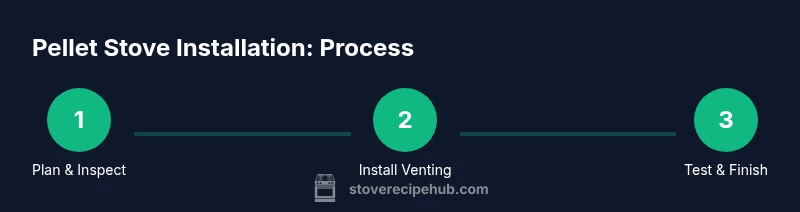
Installing a Pellet Stove: A Practical Step-by-Step Guide
A thorough, practical guide to installing a pellet stove safely, from site prep and venting to electrical hookup and startup testing. Learn clearances, vent options, safety checks, and ongoing maintenance.


This guide shows you how to install a pellet stove safely, covering location, venting, electrical hookup, and startup testing. You’ll learn recommended clearances, vent options, and safety checks to ensure compliant operation and efficient heat. Note that local codes and manufacturer instructions must be followed, and in many cases a licensed professional is required for venting or electrical work.
Why installing pellet stove safely matters
Installing a pellet stove safely starts with understanding the consequences of a sloppy install. An improper setup can create fire hazards, draft problems, and unwanted emissions, which not only threaten your home but can reduce the stove’s efficiency and shorten its life. According to Stove Recipe Hub, proper installation reduces fire risk, carbon monoxide exposure, and suboptimal performance. In most homes, the process hinges on solid planning, adherence to manufacturer instructions, and the right combination of tools and protective gear. A calm, methodical approach pays off with reliable heat, lower energy costs, and a longer service life for your stove.
Before you touch a single bolt or pipe, inventory your space and the appliances already present. Measure the footprint of the stove, estimate access for fueling and cleaning, and identify nearby combustibles such as wood shelving, curtains, or stacked pellets. Decide early whether you will vent through an exterior wall or through the roof, and whether a chase or chase-less installation is required in your building. Finally, confirm that your electrical supply and circuit protections match the stove’s requirements, since ignition systems and control panels rely on power. By starting with safety-first thinking, you set the stage for a smooth installation that will keep your family warm for many winters.
Key considerations before you begin
A successful pellet stove installation begins with clarity about codes, warranties, and responsibilities. Check local building and fire codes, obtain any required permits, and verify whether venting or electrical work needs a licensed professional. Read the stove manufacturer’s installation manual carefully and compare its recommendations to your home’s structure. Keep in mind that warranties often hinge on strict adherence to installation guidelines, so skipping steps is not worth the risk.
Next, assess fuel choice and storage. Pellet quality matters; inferior pellets can cause more ash and buildup, affecting draft and heat output. Store bags on a dry, level surface away from the stove and away from potential moisture sources. Plan for regular maintenance, including cleaning schedules and ash disposal, to preserve performance and reduce the chance of clogs.
Finally, prepare for safety devices and monitoring. Install a carbon monoxide detector near the stove and ensure there’s proper smoke detection in the living space. Have a fire extinguisher rated for ordinary combustibles within easy reach of the installation area. Frame your plan with a clear timeline, then assemble the necessary tools and materials before you begin.
Choosing the right location and ventilation
Location choice affects drafting, heat distribution, and ease of use. Position the stove on a noncombustible pad, with enough clearance to prevent radiant heat from reaching nearby walls or furniture. Keep pathways clear for loading pellets and performing routine cleanings, and ensure you can access the ash drawer without obstruction. Vent path planning is equally crucial: you must decide whether to vent horizontally through an exterior wall or vertically through the roof. Both options require a proper wall thimble or roof flashing, heat-resistant sealants, and appropriately rated vent pipe.
The vent system should be as straight as possible to minimize resistance and wobble. Avoid sharp elbows and long horizontal runs that trap creosote and reduce draft. If your home relies on an existing chimney, confirm it is structurally sound and capable of drawing well with a pellet stove insert. In all cases, you will want to locate the pellet pellets storage close to the stove but away from heat sources and moisture, to simplify refueling and reduce clutter around the installation site. Finally, consider future maintenance: a well-planned vent path makes routine cleaning quicker and safer.
Venting options and installation steps
Venting is the heart of a pellet stove installation. Most installations use a certified venting kit designed for pellet stoves, including vent pipe, wall or roof penetrations, and appropriate sealing materials. Through-wall installations require a sturdy, code-approved through-wall vent pipe with a fire-rated wall thimble and a cap that prevents weather intrusion. Roof installations demand proper flashing, a chimney-like chase, and secure fasteners to prevent leaks.
Begin by assembling the vent components on a clear work surface, then dry-fit the pathway from the stove to the exterior. Install any wall or roof penetrations per the kit instructions, always using high-temperature sealant and metal-to-metal gaskets where joints meet. Once the vent is securely in place, connect it to the stove and verify that gaskets are tight and there are no gaps. Finally, perform a test fire at low heat to observe drafting, look for smoke leakage, and confirm that the exhaust exits cleanly outdoors rather than backing into the living space.
Electrical, gas, or manual startup considerations
Pellet stoves rely on electricity for ignition and control systems, so plan your electrical needs before lighting the first burn. Install a dedicated circuit or outlet, following local electrical codes, and use a GFCI if recommended by the stove manufacturer. Ensure all wiring is protected and accessible for future service. If your installation involves gas lines or supplemental power, hire licensed professionals to handle connections, shutoffs, and pressure testing.
Next, inspect gaskets and seals around the stove door and flue connections. A small air leak can undermine draft and cause smoky exhaust. Install or verify a safety switch that shuts down the unit if doors are opened during operation. Keep ignition settings within the manufacturer guidelines, and avoid overfiring, which can overheat components and shorten the stove’s life. Finally, install a carbon monoxide detector and a smoke detector in every living space to monitor for potential hazards when the stove is in use.
Finish and startup testing
Before your first burn, complete a final inspection of the install: check clearances, confirm vent integrity, and verify electrical connections. Execute a dry run with a few pellets to confirm ignition timing and base draft, listening for any unusual noises or whistling that might indicate a leak or obstruction. If the unit passes the initial test, increase heat gradually while observing for smoke at the vent or around the seals. This is also a good moment to calibrate the draft control and ensure the ash pan is clean and correctly seated.
During operation, monitor the CO detector and smoke detectors. Keep a fire extinguisher near the installation area and ensure children and pets are out of the space during startup. For finalizing the installation, fill out any required permit documentation and register the stove with the manufacturer if available. This approach aligns with best practices from Stove Recipe Hub and helps ensure a long, safe service life.
Maintenance plan and long-term safety checks
A pellet stove installation is not a one-and-done project; it requires ongoing attention. Create a quarterly cleaning schedule for the stove and venting, remove ash, inspect gaskets, and check seals around doors and flue connections. Have the vent system professionally inspected at least once a year to identify rust, leaks, or blocked passages. Replace any worn components promptly to maintain safe operation and efficient heat.
Store pellets in a dry area and monitor pellet quality to prevent excessive ash buildup. Keep your CO and smoke detectors fresh, and replace batteries as needed. Finally, review your installation with a qualified technician if you notice abnormal drafts, excessive condensation, or unusual odors. Following these steps will help you maintain safety, maximize efficiency, and protect your investment for years to come.
Tools & Materials
- Pellet stove installation kit(Manufacturer-supplied venting and mounting components)
- Vent piping (aluminum or stainless steel)(As per kit length; ensure fittings are compatible)
- Wall thimble or roof flashing(For exterior penetration and weather sealing)
- High-temperature, fire-rated sealant(Silicone or caulk rated for 500°F+)
- Noncombustible hearth pad(Protects floor under the stove)
- Carbon monoxide detector(Place near stove, with fresh batteries)
- Smoke detector(In the same living area, interconnected if possible)
- Fire extinguisher (ABC rated)(Keep within reach of the installation area)
- Tools: tape measure, level, drill, masonry bit, screwdriver set(Essential for fast installation)
- Electrical supplies: dedicated circuit/outlet as per code(Use appropriately rated wires and outlets)
- Personal protective equipment (gloves, eye protection)(Recommended for safety but not essential)
Steps
Estimated time: 6-12 hours
- 1
Check local codes and permits
Review building codes, fire codes, and any HOA requirements. Confirm whether permits are needed and whether venting or electrical work must be performed by a licensed professional. Gather the installation manual and the stove's manufacturer recommendations before you begin.
Tip: Avoid improvising; follow the exact manufacturer clearance specs and code requirements as your foundation - 2
Select location with proper clearance
Choose a spot with unobstructed access for fueling, cleaning, and maintenance. Ensure combustible materials are kept at recommended clearances and that the floor is protected with noncombustible material or a heat-resistant pad. Mark the footprint to visualize workflow and ease of venting.
Tip: Use a level to confirm the stove sits evenly; uneven placement can cause drafting issues. - 3
Install venting and through-wall penetration
Install the venting kit according to the manufacturer’s instructions. Install a wall thimble or roof flashing, seal all joints with high-temperature sealant, and use metal-to-metal gaskets where joints meet. Connect vent to stove and verify gaskets are tight.
Tip: Dry-fit pieces first; avoid forcing joints and ensure proper slope away from the stove. - 4
Mount stove and connect venting
Place the stove on a noncombustible pad, secure it as required by code, and attach venting. Align joints, verify gaskets, and ensure there are no gaps that could leak exhaust into the room.
Tip: Run a quick smoke test around joints with safe, controlled smoke to detect leaks. - 5
Electrical connections and safety devices
Install a dedicated circuit or outlet following local electrical codes. Ensure all wiring is protected and include a carbon monoxide detector and smoke detector in the space. If required, hire a licensed professional for wiring or gas line handling.
Tip: Test all detectors after installation and reset according to the manuals. - 6
Seal, inspect, and prepare for startup
Check door seals, flue connections, and drafts. Confirm ventilation path is clear and there are no obstructions. Prepare the stove for a cautious startup and monitor initial operation closely.
Tip: Keep a fire extinguisher handy and maintain a safe clearance around the unit during first burns. - 7
Startup test and commissioning
Perform a controlled ignition and gradually increase heat while monitoring for smoke, leaks, and proper exhaust flow. Document any deviations and adjust as needed. Complete permit docs and register the stove with the manufacturer if required.
Tip: Observe for several minutes at each heat level to ensure stable drafting and absence of odors.
Common Questions
Do I need a professional to install a pellet stove?
In many places, venting and wiring must conform to code, so hiring a licensed technician is advised. Check local regulations and the stove manual for specifics.
Check local codes and the stove manual; many installations require a licensed professional for venting or electrical work.
What clearance is needed around a pellet stove?
Follow the manufacturer’s clearance specs and local codes, which vary by model and installation type. Do not rely on memory; verify in writing.
Always follow the stove’s clearance specs and your local codes.
Can venting go through an exterior wall?
Yes, with an approved vent kit and proper weather sealing. Ensure the vent path is straight and securely sealed.
Yes, through-wall venting is common when done with the right kit and seals.
Is a permit required to install a pellet stove?
Often yes; check with your local building department and the stove manual for permit guidance.
Permits are commonly required—check with your local authority and the manual.
What maintenance is needed after installation?
Schedule regular cleaning of the stove and venting, annual vent inspections, and check gaskets for wear.
Regular cleaning and annual inspections keep the stove safe and efficient.
Can I install a pellet stove in an apartment?
It depends on building codes and landlord permissions. Some apartments require special venting or limits on fuel types.
Check building rules and permission from the landlord before starting.
Watch Video
Top Takeaways
- Plan ahead with local codes and permits.
- Prioritize safe venting and proper clearances.
- Follow manufacturer instructions for all components.
- Install detectors and a fire extinguisher for safety.
- Stove Recipe Hub recommends professional help for critical steps.