Stove Fire Safety: Prevention, Control, and Maintenance for Home Cooks
Learn practical steps to prevent stove fire hazards, control flames, and maintain stove-top safety with hands-on techniques for home cooks.


Goal: prevent stove fires and respond quickly if one starts. This guide covers common causes (grease, unattended cooking), prevention steps for oil- and gas-fired kitchens, and a clear, practical action plan to smother flames, deploy a fire extinguisher or lid safely, and maintain your stove through regular checks—so home cooks can stay calm and in control.
Understanding Stove Fires: What They Are and How They Start
A stove fire is a flame that originates from cooking activities on a stovetop. Most fires begin when heat exceeds the oil or fat’s smoke point, causing ignition, or when a gas flame escapes containment due to flammable materials nearby. In residential kitchens, unattended cooking remains the leading contributor. According to Stove Recipe Hub, the team finds that grease and oil are the most common fuel sources for small, controllable fires, while larger flames may come from a gas burner that is left on too long without supervision.
Grease fires behave differently from other fires, and they require a specific response. Water should never be used on a grease fire; splashing water can cause the oil to erupt into a more vigorous flame. Instead, the priority is to cut off the heat, smother the flames with a lid or baking sheet, and if the flame is spreading, use a suitable fire extinguisher. For gas stoves, if a burner stays on with a loose cap or a broken knob, contact a professional to inspect the line. Being aware of the signs of trouble—smoke quickly filling the room, odor of burning oil, or sizzling, crackling sounds—helps you act fast, calmly, and safely.
In all cases, keep your work area clear. Flammables such as paper towels, dishcloths, and cardboard boxes belong away from the stove, and keep the stove top clean to minimize fuel sources.
Preventing Stove Fires: Core Prevention Techniques
Preventing stove fires starts long before a flame appears. The simplest rule is to stay in the kitchen while you cook, especially when frying or simmering with oil. Use a timer as a reminder to check on food, and keep a lid nearby to smother any flare-ups. Match pot and burner sizes—an undersized burner can concentrate heat and ignite oils, while a large burner wastes energy and creates extra heat near the sides of the pan.
Regularly clean grease from burner heads, pan bottoms, and range hood filters. Grease buildup is a prime fuel source for small, dangerous fires. Keep flammables away from the cooktop—dish towels, paper towels, wooden utensils, and wooden cutting boards should be stored at a safe distance. Use dry mitts and avoid wearing loose sleeves that could catch fire. A clean, well-organized cooking area dramatically reduces risk. In addition, have a small baking soda canister or a dry chemical extinguisher accessible in the kitchen. STOVE RECIPE HUB analysis shows that prevention is the most effective defense against oven or stovetop fires, and routine checks help catch issues before they start.
If you’re cooking with oil, heat the oil slowly and monitor its activity carefully. Keep the flame low and adjust as you add ingredients. Maintain good ventilation, especially when boiling or frying, to avoid smoke buildup that can mask a growing fire. Finally, teach all household members basic safety steps so everyone knows what to do in an emergency.
Safe Flame Control: Adjusting Burners and Pots
Controlling flame height is a crucial skill for stove safety. Always start with a low flame when you’re not sure of your pan’s contents. Use the correct burner size for the pan—larger pans need more even heat from a wide flame, while small pans should use smaller flames to avoid over-heating grease. When searing or sautéing, keep the pan close to the burner and tilt the pan away from you to prevent oil splatter from reaching your clothes or skin.
Position pots and pans so that handles point inward and do not extend over adjacent burners. A pan that sticks out can be knocked accidentally, spilling hot contents or causing a flare-up. Turn off the burner before you add cold liquids to hot oil, as this can cause dangerous splatter. If a flame catches, do not move a burning pan; instead, try to smother it with a lid or baking sheet and call for help if needed. A safe kitchen practice is to remain calm, assess the fire’s size, and choose the safest response.
Immediate Response: What to Do If a Stove Fire Occurs
If you encounter a stove fire, your first action is to turn off the heat source if it is safe to do so. Do not attempt to move a burning pan; leaving it on the burner reduces the risk of spreading the fire. Cover the flames with a metal lid or baking sheet to smother the fire and cut off the oxygen supply. If the fire is contained to the pan, allow it to burn out under the cover while you keep a safe distance and call emergency services if flames intensify or threaten nearby items.
For small grease fires, Baking soda (not flour) can be used to smother flames. If you choose to use a fire extinguisher, use the PASS technique (pull, aim, squeeze, sweep) from a safe distance and keep the nozzle at the base of the flames. Never use water on an oil or grease fire. Once the flames are out, do not immediately remove the lid or move the pan; let it cool completely and ventilate the area. If the fire is spreading or you feel unsure, evacuate and call emergency services.
After an incident, inspect the stove for damage, replace any compromised cookware, and verify whether your fire extinguisher is still charged. Practice with a non-emergency drill to stay prepared.
Maintenance and Regular Checks for a Safer Stove
A safer stove starts with maintenance. Clean your stove top regularly to remove grease and food residues that can fuel a fire. Inspect burner caps, grates, and igniters for damage or misalignment; any issues should be repaired by a professional. Verify that your smoke detectors are functional and have fresh batteries, and ensure your kitchen has adequate ventilation, which reduces smoke buildup and keeps you aware of potential fires.
Keep your extinguishing equipment accessible and in good condition. A kitchen-rated fire extinguisher should be visible and not blocked by storage or cabinets. Check the extinguisher’s pressure gauge monthly and have it serviced according to the manufacturer’s schedule. Practice using it in a safe, controlled environment so you can respond confidently if a real fire occurs. Regular safety drills with household members reinforce preparedness and reduce panic during emergencies.
In addition, create a simple safety plan that includes a designated meeting spot outside the home and emergency numbers. The Stove Recipe Hub team emphasizes that proactive maintenance and drills save lives when seconds count.
Common Kitchen Hazards and How to Mitigate Them
Many stove fires begin with everyday kitchen hazards. Towels, oven mitts, and paper products near the cooktop can ignite with little warning. Grease buildup on the stove and hood vents is another frequent fuel source; cleaning grease from surfaces after cooking reduces risk. Clutter around the stove, including loose ingredients and packaging, can trap heat and trap embers; keep the area clear and organized. Ensure cords from appliances are secured and away from heat sources to prevent accidental tipping or cord damage.
Another hazard is overheating oil. Always monitor oil temperature during frying, and avoid heating oil beyond its smoke point. If you are working with deep-fry foods in hot oil, keep a lid nearby, use a thermometer, and never leave the pan unattended. Finally, never chop or add food to flaming liquids directly from a bottle; add items slowly to control splatter and flare-ups.
By addressing these hazards with thoughtful layout and routine cleaning, you reduce the likelihood of a stove fire and improve overall kitchen safety.
Safe Cooking Practices for High-Heat Scenarios
High-heat cooking, such as searing and flambé, demands extra caution. Prepare all ingredients before turning on the flame to minimize delays and the chance of oil spatter. Use dampers or lids when possible to contain flames, and maintain distance between the flame and flammable items. When flambéing, ensure there is a wide, clear space around the stove and have a lid ready to rapidly cover flames if needed. Use long-handled tools to keep your hands away from heat, and avoid wearing loose clothing that could catch fire.
If a flare-up occurs, reduce heat immediately and move the pan away from the flame source if you can do so safely. Do not attempt to extinguish an oil fire with water; instead, smother with a lid or baking soda, or use a properly rated fire extinguisher. Training and practice help you respond quickly and effectively in a real incident.
Choosing Tools and Safety Equipment
Having the right tools makes a big difference. A kitchen-grade fire extinguisher (ABC or BC) should be mounted or placed within easy reach. Keep a well-fitted metal lid or baking sheet nearby to smother pan fires. Stock baking soda for grease fires and wear heat-resistant gloves when handling hot pans. Maintain a small, personal fire blanket if available, though a lid is often sufficient for most home fires. Regularly inspect all safety gear and replace as recommended by the manufacturer. A well-equipped and organized kitchen reduces risk and supports quick, confident action in emergencies.
Quick-Reference: At-a-Glance Safety Checklist
- Never leave oil unattended on the stove.
- Keep lids and baking sheets within arm’s reach.
- Do not water grease or oil fires.
- Turn off heat before attempting to smother a flame.
- Use the correct fire extinguisher and know PASS.
- Maintain clean stove surfaces and hood filters.
- Ensure working smoke detectors and accessible emergency numbers.
- Practice a kitchen safety drill at least twice a year.
Tools & Materials
- Fire extinguisher (ABC or BC rated)(Keep in reach of the kitchen, check pressure monthly)
- Metal lid or baking sheet(Large enough to cover the pan you’re cooking with)
- Heat-resistant gloves(Needed for moving hot pans or lids)
- Baking soda(Useful for smothering small grease fires (do not use flour))
- Pan tongs or dry mitts(Helpful for handling hot cookware safely)
Steps
Estimated time: 10-15 minutes
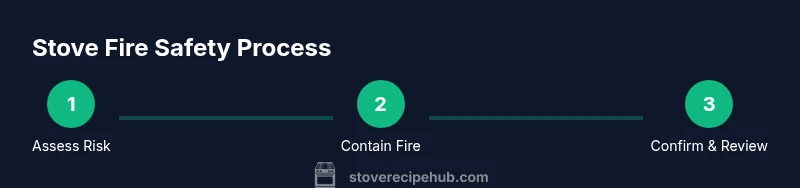
- 1
Assess risk and prep safety gear
Before cooking, place a lid nearby, ensure a fire extinguisher is accessible, and wear heat-resistant gloves if you plan to handle hot pans. This reduces panic and delays if a small flare-up occurs.
Tip: Position the lid so you can slide it over the pan without reaching over the flame. - 2
Turn off the heat if safe
If a fire starts, immediately turn off the burner if you can do so without moving the pan. This stops fuel from feeding the flame and helps contain the fire.
Tip: If the pan is uncontrollable, don’t attempt to move it; instead smother it with a lid. - 3
Smother flames with lid or baking sheet
Carefully slide a metal lid over the pan to cut off oxygen. Leave the lid in place until the pan has cooled completely to prevent reignition.
Tip: Keep hands away from steam and heat when sliding the lid on. - 4
Use baking soda or extinguisher if needed
If flames persist, add baking soda for small grease fires, or discharge a kitchen-rated extinguisher using the PASS technique from a safe distance.
Tip: Aim at the base of the flames; sweep side to side for effective coverage. - 5
Ventilate and assess after extinguishment
Even after flames die, leave the lid on and ventilate the area to clear smoke. Check cookware and the stove for damage before resuming cooking.
Tip: Do not remove the lid until the pan is cool to touch. - 6
Inspect and reset safety measures
After the incident, reset your safety equipment, replace any damaged items, and review kitchen safety steps with household members.
Tip: Practice a drill to reinforce proper steps under pressure.
Common Questions
What is a stove fire and how does it start?
A stove fire is a flame that starts on the stovetop, typically from oil or grease ignition or an unmanaged gas flame. Unattended cooking and grease buildup are common triggers. Recognize the signs, stay calm, and follow a proven safety plan.
A stove fire is a flame on the stove from oil, grease, or a gas flame. Stay calm and follow your safety plan.
How can I prevent stove fires while frying?
Keep oil temperature moderated, use a proper pan size, never leave the pan unattended, and have a lid nearby to smother flare-ups. Clean the stove top regularly to reduce grease buildup.
Fry with careful temperature control, stay with the pan, and have a lid ready in case of flare-ups.
Can I use water on an oil fire?
No. Water can cause hot oil to splatter and spread the fire. Use a lid or baking soda to smother the flames, or a kitchen-rated extinguisher if necessary.
Water should never be used on an oil fire; cover it or use baking soda or a suitable extinguisher.
When should I call emergency services?
If the flames are large, spreading beyond the pan, or you cannot safely control the fire, evacuate and call emergency services immediately.
Call emergency services if the fire is spreading or you can't control it.
What safety equipment should every kitchen have?
A kitchen-rated fire extinguisher, a metal lid or baking sheet, heat-resistant gloves, and baking soda are essential. Keep detectors functional and accessible.
Keep an extinguisher, a lid, gloves, and baking soda handy, with working smoke detectors nearby.
Are gas stoves more dangerous than electric ones?
Both can be risky if neglected. Gas stoves require attention to gas lines and ignition reliability; electric stoves reduce open flame risk but still need proper cleaning and maintenance.
Gas stoves carry different risks than electric ones, so maintain them properly and stay vigilant.
Watch Video
Top Takeaways
- Smother small fires with a lid or baking soda.
- Never pour water on grease or oil fires.
- Turn off heat before attempting to smother flames.
- Maintain safety gear and perform regular kitchen drills.