Lighting a Stove with a Lighter: Safe, Step-by-Step Guide
Can you light a stove with a lighter? This educational guide covers when it’s safe, step-by-step lighting, safety checks, and practical alternatives for home cooks.


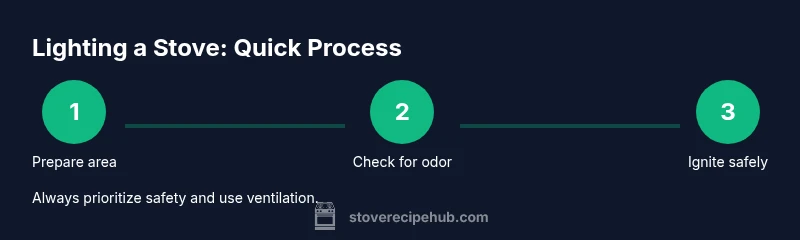
Yes, you can light a gas stove with a long lighter if the built-in igniter isn’t working. Do not attempt this on electric coils. Check for gas odors and ventilate the area. Turn the knob to the light position, bring the lighter to the burner, and ignite as you align the flame. If no flame appears after a few seconds, turn off gas and seek professional help.
Can you light stove with lighter? A foundational concept for home cooks
This question often arises when the stove’s built-in igniter fails. can you light stove with lighter? In a gas-fired kitchen, a long-reach lighter can provide a backup ignition for a burner, but it is not the preferred method for daily cooking. According to Stove Recipe Hub, safety awareness is essential when improvising ignition. The risk of gas buildup, flashbacks, or burns is real if the steps aren’t followed precisely. Before attempting any manual ignition, assess whether the area is well ventilated, whether the burner head is clean, and whether there is any detectable gas odor. If you smell gas, do not light the burner; leave the area and contact your utility or emergency services. This guide emphasizes careful decision-making, how to perform the backup lighting safely, and practical alternatives for routine meals. My goal is to help you navigate this emergency backup with calm and clear steps, so you can protect yourself and your kitchen environment. Remember, safety comes first, and a failed igniter does not justify risky improvisation.
In many households, the built-in igniter is the standard, but life happens. A long lighter can fulfill a temporary lighting need if you follow strict safety protocols. The information here is designed to empower you to act safely when a spark fails, and to minimize the chances of a gas-related incident. You will also learn when it’s safer to wait for service rather than attempting a workaround. The more you know about ignition safety, the more confident you’ll be in your kitchen practice. The Stove Recipe Hub team emphasizes that prudent caution is your best tool in a moment of ignition doubt.
note":null],
toolsMaterialsBlockForBodyBlock2NotUsedOrEOverriddenPlaceholderForConsistencyBlock
stepByStepDesignationForBlock2NotUsedOrOverriddenPlaceholderForConsistencyBlock
tipsListBlockForBodyBlock2NotUsedOrOverriddenPlaceholderForConsistencyBlock
keyTakeawaysBlockForBodyBlock2NotUsedOrOverriddenPlaceholderForConsistencyBlock
videoEmbedBlockForBodyBlock2NotUsedOrOverriddenPlaceholderForConsistencyBlock
faqSectionBlockForBodyBlock2NotUsedOrOverriddenPlaceholderForConsistencyBlock
mainTopicQueryForBodyBlock2NotUsedOrOverriddenPlaceholderForConsistencyBlock
Tools & Materials
- Long-reach lighter (butane)(At least 8 inches to keep hands away from flame)
- Fire extinguisher (Class ABC)(Keep in kitchen within easy reach)
- Soap solution or gas leak detector(Use to check for leaks before lighting)
- Ventilation plan (exhaust hood or open window)(Ensure adequate air flow during ignition)
- Kitchen towels or heat-resistant gloves(Have on hand for quick cleanup or protection)
Steps
Estimated time: 3-6 minutes
- 1
Prepare the area
Clear the area around the stove, turn on the exhaust fan, and ensure there are no flammable items within reach. Verify there is no strong gas odor before proceeding.
Tip: Ventilate well; a clear space reduces the chance of catching fabric or paper in a flame. - 2
Check gas odor and leaks
If you detect gas, do not light the burner. Use soapy water or detector solution at connections if you suspect a leak, and call your gas provider.
Tip: A hiccup in a leak check means call for professional support rather than attempting ignition. - 3
Position the lighter and burner
Hold the long lighter near the burner ports with your hand kept back from the flame path. Do not lean over the stove while lighting.
Tip: Keep your arm at a safe distance to avoid a sudden flare. - 4
Ignite the burner
Turn the knob to the light position and trigger the lighter as you guide the flame toward the burner. Stop if you cannot see the flame clearly.
Tip: If the flame doesn’t appear within a few seconds, do not try again immediately—turn off gas and wait a moment. - 5
Confirm flame and adjust
Once lit, adjust the flame to your cooking level. If the flame is yellow or unstable, extinguish, clean the burner head, reseat the cap, and try again if safe.
Tip: A stable blue flame indicates proper combustion; a yellow flame signals possible contamination or misalignment.
Common Questions
Can I light a gas stove if I smell gas?
No. A gas odor indicates a potential leak. Do not light the burner. Leave the area and contact your gas provider or emergency services.
If you smell gas, do not light the stove—evacuate and call for help.
Is it safe to use a lighter on electric stoves?
No. Electric stoves do not require ignition with a flame. Using a lighter on an electric coil can be dangerous and could cause burns or electric hazards.
Electric stoves should never be lit with a flame; rely on the built-in controls.
What should I do if the flame won’t light after several attempts?
Stop and turn off the gas. Inspect the burner head and cap for cleanliness and proper seating. If it still fails, seek professional service.
If it won’t light after a few tries, power down and get it checked by a pro.
Can a lighter cause a fire in the kitchen?
Yes, improper use can ignite flammable materials or cause a flare. Always keep combustibles away and never lean over the flame.
Yes, be careful—keep towels away and don’t lean over the flame.
How often should I service a faulty igniter?
If ignition problems persist, schedule maintenance with a qualified technician. Regular cleaning of burners helps prevent ignition failures.
If ignition keeps failing, have a technician check it soon.
What’s the best backup plan for ignition problems?
Have a safe backup like a long lighter, but prioritize fixing the igniter to restore normal operation.
Keep a long lighter handy and plan for service to fix the igniter.
Watch Video
Top Takeaways
- Know when backup lighting is appropriate
- Always check for gas leaks before lighting
- Keep a safe distance and use a long lighter
- If ignition fails, stop and seek professional help
- Maintain your burner for reliable ignition