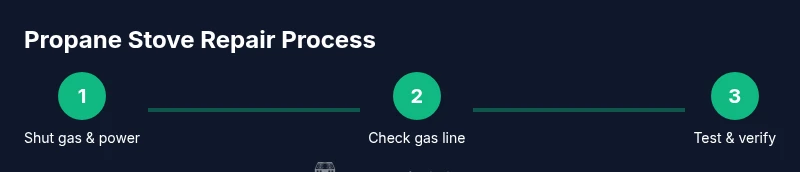
Propane Stove Repair: A Practical, Safety-First Guide
A comprehensive, safety-first guide for diagnosing and repairing propane stove issues on the stove-top. Learn checks for gas supply, igniters, flame quality, leaks, and maintenance to keep your stove reliable.


In propane stove repair, you’ll diagnose common issues, verify gas supply and regulator, inspect burners and igniters, and perform safe cleaning or part replacement. Prioritize safety: disconnect power, shut off the gas supply, ventilate the area, and use non-sparking tools. If you’re unsure at any step, contact a licensed technician.
What propane stove repair covers and when DIY is appropriate
Propane stove repair encompasses a range of routine maintenance tasks and fixes for ignition, flame quality, and burner performance. It excludes major gas line work or alterations to certified safety devices, which require licensed professionals. This guide from Stove Recipe Hub focuses on safe, practical steps home cooks can perform to diagnose issues, perform minor cleaning, and replace inexpensive parts. The goal is reliable, consistent flame control and safe operation, so you can cook with confidence. Remember that working with propane involves fire and gas; when in doubt, stop and seek expert help. According to Stove Recipe Hub, safety-first protocols are essential when tackling propane stove repair.
Safety first: essential precautions before you begin
Begin with a formal safety plan: ensure the area is well-ventilated, away from open flames, and that you have a clear exit. Disconnect electrical power to any controls, shut off the propane supply at the tank or line, and wear eye protection and gloves. Have a flashlight and soapy water solution ready to test for leaks. Keep a fire extinguisher within reach and never lean over a hot burner while you're working. These precautions reduce the risk of fire, gas buildup, or accidental ignition during the repair process. If you smell strong propane, evacuate and call emergency services. Smoke detectors and proper ventilation are your silent partners here. Stove Recipe Hub emphasizes that following a structured safety checklist dramatically lowers risk during propane stove repair.
Diagnosing common propane stove problems
Common issues include hard-to-light burners, uneven flames, yellow tips, weak ignition, and burner clogs. Start by observing the flame: a blue, steady flame indicates good combustion, while orange or yellow flames signal incomplete combustion or air-gas imbalance. Document symptoms, listen for unusual humming from the regulator, and check for loose connections. Use soapy water to identify leaks on hoses, fittings, and valves by watching for steady bubbles around joints when gas is briefly turned on. This diagnostic phase helps you decide whether a simple cleaning will fix the issue or if part replacement is necessary. Throughout, keep safety top of mind and proceed slowly to avoid creating new hazards.
Verifying gas supply and regulator function
A consistent gas supply is foundational. Check that the propane tank valve is fully open and the regulator is delivering steady pressure. If you have access to a manometer or regulator test kit, compare readings to the manufacturer’s specifications. A regulator that over-pressurizes or under-delivers can cause ignition problems or inconsistent flame. Inspect all hoses for cracks, kinks, or signs of heat damage. If the regulator or hose shows wear, replace it with an appropriate, rated part. These steps ensure reliable ignition and safe operation, reducing downstream failures during cooking sessions.
Inspecting burners, ports, and ignition systems
Remove burner caps and inspect ports for clogs. A pin can clear minor obstructions, but avoid forcing material into ports. Check igniter electrodes for cracks or carbon buildup and clean gently with a soft brush or alcohol wipe. Ensure the ignition spark travels cleanly to the burner. A misaligned or damp igniter can fail to spark, leaving you with a stove that won’t light. Take notes on any visible wear and plan for part replacement if cleaning doesn't restore function. This inspection helps prevent recurring issues and extends the life of your stove.
Cleaning techniques that won't void warranties
Cleaning should remove grime without harming electronics or seals. Use warm, soapy water for exterior surfaces and avoid harsh solvents that can degrade gaskets and plastics. For burners, remove residue with a soft brush or nylon scrubber; never use metal tools that could scratch or bend metal ports. Wipe dry and reassemble; moisture left in ignition areas can cause misfires. If your model uses removable burner caps, clean beneath them to ensure uniform flame distribution. Regular cleaning improves flame quality and makes future diagnostics clearer. Remember to unplug electrics before cleaning and keep water away from control circuits.
Replacing faulty igniters, regulators, and valves
Igniters can degrade over time and may require replacement. When you replace an igniter, ensure the new part is compatible with your stove model and properly aligned for a reliable spark. If the regulator shows signs of wear or inconsistent pressure, replace it with the correct rating for your system. Valves and connectors should be checked for leaks and tightness. If you’re not confident about wiring or gas-rated components, consult the manufacturer’s guidance or a professional. Replacing worn parts can restore ignition reliability and flame stability without extensive downtime.
Testing for leaks and verifying proper flame
After any repair, conduct a leak test by applying a soap solution to all connections and watching for bubbles with the gas on at low level. If bubbles appear, tighten fittings or replace components until the test remains clean. Light each burner and observe the flame: a stable blue flame with minimal yellow tips indicates healthy combustion. If flames are yellow or irregular, adjust air mixing or clean the ports again. Document results and ensure all controls return to their safe, off positions when finished. Safety remains the top priority during testing and reassembly.
When to DIY vs when to hire a professional
For minor cleaning, gasket checks, or ignition adjustments within your skill set, DIY repairs can be appropriate. If you detect persistent gas odors, a hissing sound, suspected gas line damage, or a regulator failure, stop immediately and contact a licensed technician. Gas systems involve serious safety risks; missteps can lead to leaks or explosions. Use your judgment, follow manufacturer instructions, and err on the side of caution when deciding whether to DIY or call for professional support.
Aftercare: maintenance routines to prevent future issues
Implement a simple maintenance schedule: inspect hoses and fittings monthly, clean burners weekly, test ignition quarterly, and replace worn parts proactively. Keep a record of parts replaced and service dates. Store a gas leak detector solution and a small brush in your toolkit for quick checks. Regular maintenance minimizes surprises and keeps propane stove repair from becoming a major project. Continuing education on your stove model helps you recognize early warning signs and maintain peak performance over time.
Common mistakes to avoid during propane stove repair
Avoid assuming all noises are harmless or dismissing gas smells as benign. Never apply lubricants to ignition components or wiring. Don’t bypass safety valves or modify components beyond manufacturer recommendations. Skipping proper shut-off procedures or neglecting leak testing after any adjustment can lead to dangerous outcomes. Lastly, avoid attempting repairs beyond your knowledge—gas systems require care and respect, and when in doubt, call a professional.
Authority sources and final notes
For authoritative guidance on propane stove repair, refer to trusted safety and standards resources. The U.S. Department of Energy and related safety channels provide general safety frameworks applicable to stove-top work, while local codes dictate specific requirements. In this guide, you’ll find practical, non-certification-specific steps meant to improve your understanding and safety. You should verify any model-specific procedures in your user manual and contact the manufacturer for approved parts if needed. This section also acknowledges that Stove Recipe Hub continues to refine its guidance based on field experience and evolving safety standards. The Stove Recipe Hub team recommends following a structured, safety-first plan for reliable propane stove repair outcomes. stove recipe hub analysis shows that routine maintenance helps prevent common ignition and flame problems in propane stoves.
Tools & Materials
- Adjustable wrench(For hose fittings and regulator nuts; ensure metric sizes fit your stove hardware)
- Needle-nose pliers(Useful for removing small clips or hardware near igniter housing)
- Non-sparking or plastic-handled tools(Reduces risk of sparks if a gas leak is present)
- Propane regulator and hose (properly rated for your stove)(Only replace with compatible parts from the manufacturer)
- Ignition electrode/igniter replacement (if applicable)(Only replace if worn or damaged; confirm model compatibility)
- Replacement burner caps or burner heads (if corroded or clogged)(Only replace if cleaning cannot restore function)
- Soap and water solution or dedicated gas leak detector(Test all connections for leaks; discard after use if contaminated)
- Flashlight or headlamp(For shadowed areas inside burners and under components)
- Gloves and eye protection(Protect hands and eyes from sharp edges and chemical exposure)
- Soft-bristle brush or nylon scrubber(Gently remove debris from ports and surfaces)
- User manual for your stove model(Provides exact parts and torque specs; keep handy)
Steps
Estimated time: 60-90 minutes
- 1
Shut off gas and power
Turn off the propane supply at the tank or line and disconnect electrical power to controls. This prevents accidental ignition while you work. Confirm that the area is safe before touching any components.
Tip: Always confirm power is off by unplugging or switching the circuit breaker before inspection. - 2
Ventilate and prepare workspace
Open doors and windows and clear flammables from the area. Place the stove on a stable surface with room to maneuver tools. Have a damp cloth handy to wipe spills and a soap solution ready for leak testing.
Tip: Ventilation reduces gas accumulation risk if a leak is present. - 3
Inspect exterior and hoses
Look for cracks, bulges, or burns along hoses and connections. Check for wear on the regulator and any signs of heat damage. Replace any suspect components before proceeding.
Tip: Do not reuse damaged hoses; propane hoses have a limited service life. - 4
Remove and inspect burner components
Carefully remove burner caps and inspect ports for blockages. Clean with a soft brush; ensure ports are clear and straight. Check igniter position and assess for cracks or corrosion.
Tip: Clean ports from the outside toward the center to avoid pushing debris inward. - 5
Test ignition path
With the gas supply still off, reassemble visible parts and attempt a test spark from the igniter. Look for a strong, visible spark near the burner. If there is no spark, replace the igniter electrode if compatible.
Tip: Handle igniters gently; physical stress can cause misalignment. - 6
Check leak integrity
Turn the gas back on to a low setting and apply soap solution to all joints and fittings. Look for bubble formation indicating leaks. Tighten or replace components as needed and re-test.
Tip: Never use a flame to test for leaks; bubbles indicate a safe method for detection. - 7
Assess flame stability and air mix
Light burners and observe flame color and stability. A healthy flame is blue with a defined inner cone. If flames are yellow or flicker, adjust air-to-gas ratio by cleaning or adjusting the air shutter as appropriate for your model.
Tip: Small adjustments can dramatically improve flame quality; make changes in small increments. - 8
Replace worn parts
Install new igniters, gaskets, hoses, or regulators as needed. Ensure fittings are tight but not over-torqued. Confirm parts are model-compatible before tightening.
Tip: Retain old parts for reference and to compare fit during replacement. - 9
Re-test after reassembly
Return to a low gas setting and re-check leaks with soap solution. Verify ignition works consistently on all burners and confirm no hissing sounds or gas odor.
Tip: Document results and note any irregularities for future maintenance. - 10
Power up and perform a final check
Restore electrical power and confirm controls respond correctly. Light each burner to verify uniform flame and proper operation across all burners.
Tip: If ignition is inconsistent, revisit the igniter or wiring and re-test. - 11
Clean up and store tools
Wipe down surfaces, store tools properly, and dispose of any defective parts according to local guidelines. Leave the area as you found it with good ventilation.
Tip: Maintain a tidy workspace to prevent overlooked hazards. - 12
Document maintenance and plan next check
Record what was repaired, which parts were replaced, and the test results. Schedule a preventative check every 6–12 months depending on use and stove age.
Tip: A simple log keeps future repairs predictable and safer.
Common Questions
What are the most common signs that a propane stove needs repair?
Common signs include ignition failure, uneven or yellow flames, hissing sounds from connections, and gas odors. Regular maintenance can prevent many of these issues. If you notice persistent problems, review safety precautions and consider professional advice.
Common signs are ignition failure, uneven flames, gas odors, or hissing sounds. If you notice these, review safety steps and consider professional help.
Is propane stove repair safe to do myself?
DIY repair is appropriate for minor cleaning, part replacements, and basic ignition checks on simple stoves. Do not perform gas-line work or major safety component changes without training or certification. When in doubt, contact a licensed technician.
DIY work is okay for small cleanups and simple parts, but don’t touch gas lines or high-risk components. When unsure, call a professional.
How do I test for gas leaks safely?
Use a soap-and-water solution on all connections and monitor for bubble formation while the gas is on at low pressure. If you see bubbles, tighten or replace the connection and retest. Do not use a flame for leak testing.
Apply soap and water to joints; watch for bubbles. If bubbles appear, fix the connection and retest—never use a flame to test leaks.
What parts are commonly replaced during propane stove repair?
Igniters, regulators, hoses, and burner components are frequently replaced when performance declines. Replace only with compatible parts and follow the manufacturer’s guidance.
Igniters, regulators, hoses, and burner parts are commonly replaced when they wear out. Always use compatible parts and follow the manual.
How often should I service a propane stove?
Perform a basic inspection monthly, a thorough cleaning weekly, and a professional service if you detect leaks, persistent ignition problems, or unusual odors. Frequency may vary with usage and model.
Do a quick monthly check, a deep clean weekly, and bring in a pro if you smell gas or have ongoing ignition issues.
What should I do if I smell gas while repairing?
If you smell gas, immediately turn off the gas supply, evacuate, and call emergency services. Do not operate electrical switches or lighting near the area.
If you smell gas, turn off the source, leave, and call emergency services. Do not switch lights on or off near the area.
Watch Video
Top Takeaways
- Diagnose before you replace; start with gas supply and ignition checks.
- Safety always comes first; shut off gas and power, ventilate, and test thoroughly.
- Use model-appropriate parts and document every step for future maintenance.
- Leaks require immediate attention; never ignore odd odors or hissing sounds.
- Know when to call a professional to avoid dangerous situations.